
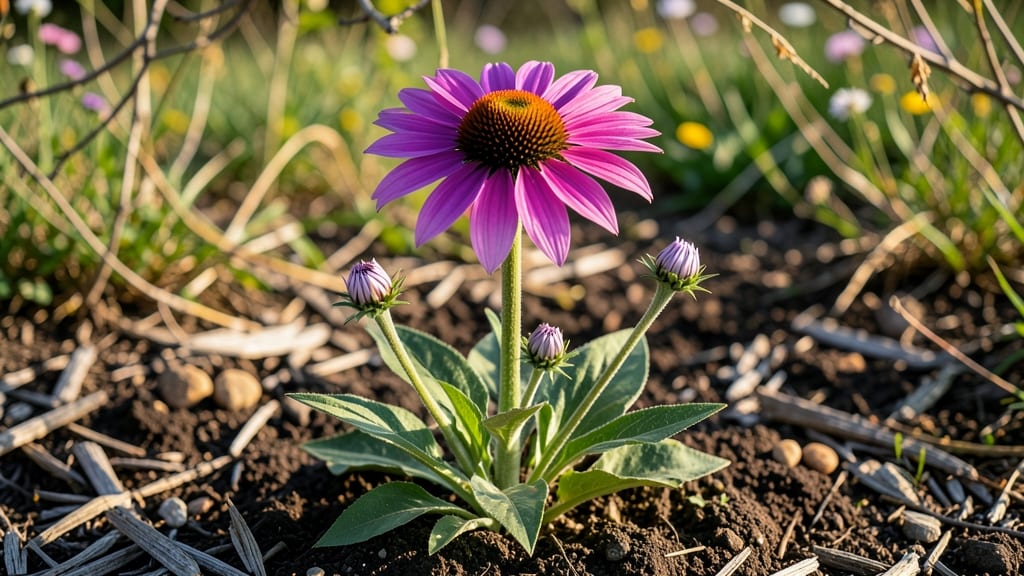
How Tall Do Cone Flowers Grow: Exact Heights by Variety and Care Needs

Flowers

How Tall Do Cone Flowers Grow: Exact Heights by Variety and Care Needs

How tall do cone flowers grow? Their heights range from 1 foot to over 5 feet, depending on the variety and growing conditions.

Wondering if those stunning 🌼 will tower over your garden or stay neatly contained? Their height varies dramatically by variety—and knowing the exact range can help you plan the perfect planting spot.

Some, like the popular 'Magnus,' reach 5 feet or more, making them ideal for tall borders or privacy screens, while dwarf types like 'White Swan' stay under 2 feet, perfect for containers or front-of-the-bed displays.

Below, I break down the height ranges for 10+ varieties, how to control overgrowth, and the best care tips to keep your cone flowers thriving at their ideal size.

Dwarf
1-2 ft
Container friendly
Semi-Dwarf
2-3 ft
Most popular
Standard
3-5 ft
Full orchard size

Cone flower height by variety: exact growth ranges and mature sizes

Cone flowers (Echinacea) are one of the most versatile perennials in your garden, but their mature height can vary from dwarf varieties under 2 feet to towering giants over 5 feet.

Choosing the right variety ensures your garden layout stays balanced—whether you want them as border accents or backdrop plants. Let’s explore the exact height ranges for 10+ popular varieties so you can plan with precision.

Most cone flowers reach their full height by year 2 or 3, but some dwarf types mature faster. For example, 'White Swan' stays compact at 18–24 inches, while 'Green Envy' can stretch to 5–6 feet—nearly the height of a small child!

Understanding these differences helps you avoid overcrowding or underutilized space in your garden beds.

Here’s a quick reference for three height categories:

  • Dwarf (1–2 ft): Ideal for containers, window boxes, or front borders
  • Medium (2–4 ft): Perfect for mid-height beds and pollinator gardens
  • Tall (4–6+ ft): Best for backdrops, privacy screens, or cutting gardens
Variety Mature Height Growth Habit Best For
'White Swan' 18–24" Clumping Containers, borders
'Green Envy' 5–6 ft Tall, upright Backdrops, privacy
'Magnus' 3–5 ft Bushy Pollinator gardens
'Purple Smoke' 2–3 ft Compact Cutting gardens
'Hot Papaya' 2–3 ft Semi-dwarf Borders, pollinators
'White Lady' 2–3 ft Clumping Containers, cottage gardens
'Sombrero Salsa' 2–3 ft Compact Front of beds
'Kim’s Knee High' 1–2 ft Dwarf Rock gardens
'Cheyenne Spirit' 4–5 ft Tall, upright Back of borders
'Purple Beauty' 3–4 ft Bushy

How to control cone flower height: pruning, spacing, and sunlight tips

Cone flowers (Echinacea) can grow from compact 1-foot dwarfs to towering 5-foot giants, but their height isn't set in stone. With the right techniques, you can encourage bushier growth or keep them contained—even for varieties prone to flopping.

The key lies in pruning timing, proper spacing, and sunlight management, all of which directly impact stem strength and blooming habits.

If your cone flowers are top-heavy or leaning, it’s often a sign of insufficient sunlight or overcrowded roots. I’ve found that spacing plants 12-36 inches apart (depending on variety) prevents competition for nutrients, while pruning spent blooms encourages secondary flowering and stronger stems.

Even dwarf varieties like 'White Swan' can stretch if they don’t get enough light, so placement matters just as much as pruning.

🌱 Cone Flower Height Control Tip

Most standard cone flowers (Echinacea purpurea) reach 3-5 feet at maturity, but dwarf varieties (like 'Salsa Red') stay under 2 feet. To limit height, plant in partial shade (4-6 hours of sun) or prune stems by ⅓ after blooming. For taller varieties, stake them early to prevent flopping—especially in windy or rainy climates.

Pruning is your best tool for managing height, but timing is everything. I recommend deadheading (removing spent blooms) throughout the summer to redirect energy into new flower production rather than seed heads. For taller varieties, like 'Magnus', cut back stems to 6 inches in early spring to promote bushier growth. Just avoid heavy pruning in late summer, as this can stunt next year’s blooms.

Spacing is another game-changer. Plant dwarf varieties (1-2 feet) 12-18 inches apart in containers or borders, while tall types (4-5 feet) need 24-36 inches of space. Overcrowding leads to weak stems and fewer flowers, so don’t skimp on room—especially in full-sun locations. I’ve seen 'Green Envy' (a tall green cultivar) flop dramatically when planted too closely, but staking or grouping with shrubs solves this instantly.

Sunlight is often overlooked, but it’s the #1 factor in controlling height. Cone flowers thrive in full sun (6+ hours), but partial shade (4-6 hours) can reduce height by 20-30%.

If your plants are stretching toward light, move them to a sunnier spot or prune leggy stems to encourage compact growth. Just remember: too little sun = fewer blooms, while too much can stress dwarf varieties in hot climates.

For extra-tall varieties, like 'Whitewell Purple', staking or caging is a must. Use 3-foot tall tomato cages or bamboo stakes inserted at planting to support stems. I also mulch heavily (3-4 inches) to prevent root competition and keep stems sturdy.

If you’re growing cone flowers in containers, choose large pots (12+ inches wide) and prune regularly to prevent top-heavy flopping.

With these techniques, you can shape your cone flowers to fit any garden—whether you want neat borders, privacy screens, or container-friendly dwarfs. Start with proper spacing, prune strategically, and adjust sunlight based on your variety.

Your plants will reward you with stronger stems, more blooms, and neat, controlled growth all season long. 🌼

★★★★★5.0(5 reviews)
Categories Flowers