
Blooming
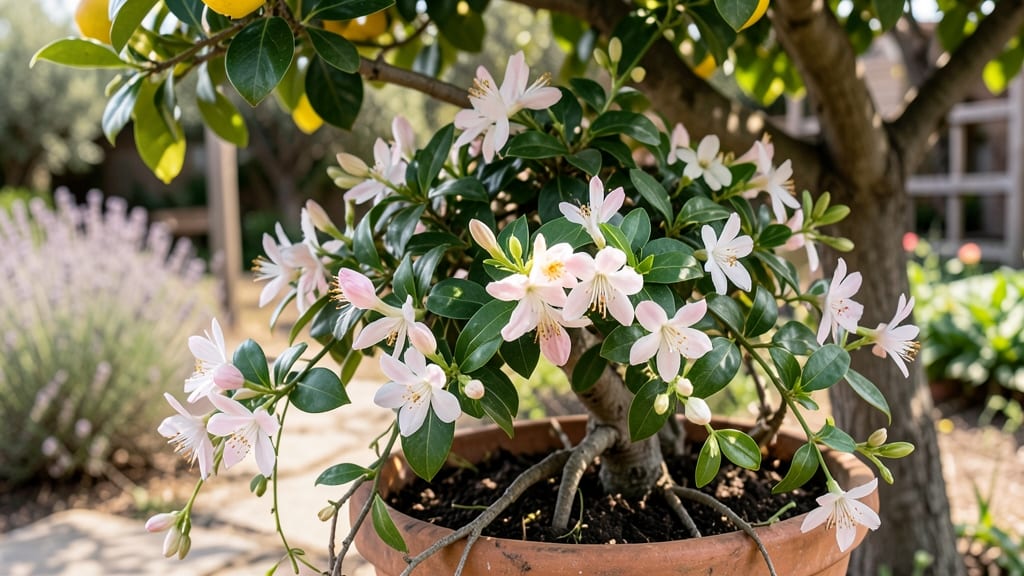
Jasmine flowers bloom with their signature fragrance when given the right timing, care, and climate—turning your garden into a nighttime sanctuary.
Picture this: the sun dips below the horizon, and your yard fills with a sweet, intoxicating scent that draws you outside. That’s the magic of jasmine in full bloom, and it’s not just a dream—it’s a garden reality you can cultivate with the right approach.
Timing is everything. Most varieties thrive in spring and summer, but winter jasmine surprises with early blooms, while summer jasmine waits until late June or July. Climate plays a huge role too—too much heat or cold can stall those fragrant buds, and sunlight needs to hit just right.
In this guide, I’ll break down the best times for jasmine to bloom naturally, how to trigger earlier or more abundant flowers, and the common mistakes that keep them from reaching their full potential. Ready to transform your garden into a fragrant paradise?
Best times for jasmine flowers to bloom naturally and how climate affects it
If you've ever dreamed of waking up to the sweet scent of jasmine wafting through your garden, timing is everything. Most jasmine varieties bloom naturally during late spring to early summer, but the exact window depends on your local climate and the specific type of jasmine you're growing.
Understanding these patterns will help you create the perfect conditions for abundant, fragrant blooms that last for weeks.
The first key factor is recognizing that jasmine isn't a single plant but a diverse group with distinct blooming habits. Winter jasmine (Jasminum nudiflorum) surprises gardeners with bright yellow flowers in late winter or early spring, while summer jasmine (Trachelospermum jasminoides) thrives in warmer months.
Meanwhile, classic Arabian jasmine (Jasminum sambac) typically blooms in summer and fall when temperatures are warm but not scorching.
Your local climate zone plays a massive role in determining when your jasmine will bloom. In USDA zones 8-10, where winters are mild, jasmine often blooms year-round with peak periods in spring and fall.
But in cooler zones 5-7, you'll likely see blooms concentrated in late spring through summer, with some varieties going dormant in winter. Even within the same region, microclimates can shift bloom times by weeks.
Sunlight requirements also influence timing. Most fragrant jasmine varieties need 6-8 hours of sunlight daily to trigger blooming, but they often appreciate afternoon shade in hot climates. Too much direct sun can stress plants, while insufficient light delays or reduces flowering.
If your jasmine isn't blooming when expected, check its light exposure first—this is the most common environmental factor affecting timing.
Temperature matters just as much as sunlight. Jasmine typically blooms when daytime temperatures reach 70-85°F (21-29°C), with cooler nights helping maintain fragrance.
In hotter climates, blooms may appear earlier in spring before summer heat sets in, while cooler regions might see delayed blooming until late summer when temperatures stabilize. Even a single heatwave can cause buds to drop prematurely if humidity isn't managed properly.
| Variety | Natural Bloom Time | Ideal Climate Zones | Sunlight Needs | Fragrance Peak |
|---|---|---|---|---|
| Winter Jasmine | Late Winter - Early Spring | Zones 5-9 | Full sun to partial shade | Morning hours |
| Arabian Jasmine | Summer - Fall | Zones 9-11 | Partial shade | Evening hours |
| Summer Jasmine | Late Spring - Summer | Zones 7-10 | Partial shade | Late afternoon |
| Pink Jasmine | Mid-Spring - Early Summer | Zones 8-11 | Full sun | Daytime |
| Star Jasmine | Summer - Early Fall | Zones 7-10 | Full sun | Midday |
To pinpoint your local jasmine bloom window, start by identifying your USDA hardiness zone and cross-reference it with the natural bloom times for your specific variety. For example, if you're in Zone 8 growing Arabian jasmine, expect peak blooms from June through September.
But if you're in Zone 5 with winter jasmine, your bloom window might shrink to just March and April before summer heat arrives.
One clever trick to extend your jasmine's bloom period is to plant multiple varieties with staggered bloom times. For instance, combine winter jasmine (early bloomer) with Arabian jasmine (late bloomer) to create a near year-round fragrance display.
This strategy works particularly well in mild coastal climates where temperature fluctuations are minimal. Even in cooler regions, you can often coax additional blooms by providing afternoon shade during heatwaves.
Don't overlook the importance of well-draining soil and consistent moisture in maintaining healthy blooms. Jasmine plants that struggle with root rot or drought stress often produce fewer flowers. I've found that mulching around the base helps maintain even soil moisture while preventing temperature extremes that can shock the plant.
In my Zone 7 garden, this simple practice has extended my jasmine's bloom season by nearly three weeks each year.
For gardeners in northern climates, consider growing jasmine in containers that can be moved to sheltered locations during winter. This protects the plant and often results in earlier spring blooming as the plant isn't stressed by cold temperatures.
The key is to provide consistent care year-round, including proper pruning after each bloom cycle to encourage new growth that will produce next year's flowers.
Remember that jasmine's fragrance is most intense during early morning hours when temperatures are cool. To maximize your enjoyment, plant jasmine near patio seating areas or bedroom windows where you'll experience the full sensory impact.
With the right timing and care, your jasmine can become the fragrant centerpiece of your garden for years
Proven techniques to trigger earlier or more abundant jasmine blooms
Jasmine’s intoxicating fragrance arrives when you coax it with the right timing and care. Whether you're growing Arabian jasmine or star jasmine, these science-backed techniques will help you unlock earlier blooms and extend the fragrant season.
The key lies in understanding your plant’s natural rhythms and giving it the right signals at the right time.
Many gardeners unknowingly miss the two critical windows that trigger blooming: early spring when buds form and late summer when flowers set. By aligning your care routine with these windows, you can shift blooms forward by 2-4 weeks or double their abundance.
Let’s dive into the proven methods that work for both outdoor vines and indoor potted jasmines.
🌸 5 Proven Techniques for Abundant Jasmine Blooms
- 📅 Strategic Pruning: Prune right after blooming (late spring) to encourage new growth that will flower next season. For Arabian jasmine, cut back 1/3 of old wood in early spring.
- 🌱 Fertilizer Timing: Use a balanced 10-10-10 fertilizer in early spring and mid-summer to fuel bud formation. Avoid high-nitrogen feeds—they promote leaves, not flowers.
- ☀️ Sunlight Hack: Move potted jasmines to a south-facing window in winter to simulate longer days. Outdoor plants need 6+ hours of sun for optimal blooming.
- 💧 Watering Rhythm: Water deeply but infrequently—soak the root zone every 5-7 days in summer. Morning watering prevents fungal diseases that stress plants.
- ⏰ Bloom Extension: For continuous blooms, deadhead spent flowers weekly and feed lightly with phosphorus-rich fertilizer (like 5-10-10) in late summer.
One of the most overlooked secrets is temperature manipulation. Jasmine blooms respond to cool nights followed by warm days. In hot climates, provide afternoon shade to prevent heat stress, which can halt flower production.
I’ve seen jasmine vines in Zone 9 bloom 3 weeks earlier simply by adding a light shade cloth during peak afternoon heat.
For indoor jasmines, mimic seasonal changes with a grow light on a 14-hour day cycle in winter. This tricks the plant into thinking it’s spring, prompting earlier bud formation.
Pair this with cool night temperatures (60-65°F) to maximize fragrance intensity. A small fan near the plant can also stimulate flower production by creating gentle air movement.
Don’t forget the power of soil health. Jasmine thrives in well-draining, slightly acidic soil (pH 6.0-7.0). Amend heavy clay soil with compost or perlite to improve aeration.
I’ve found that adding a slow-release fertilizer at planting time gives jasmines a head start on vigorous growth, leading to more robust blooms the following season.
With these techniques, you’ll transform your jasmine from a seasonal performer into a year-round fragrant star. Start with just one or two methods this season, and watch your blooms arrive earlier and last longer than ever before.
The secret to abundant jasmine isn’t magic—it’s timing, consistency, and a little science. 🌿