
Flowers
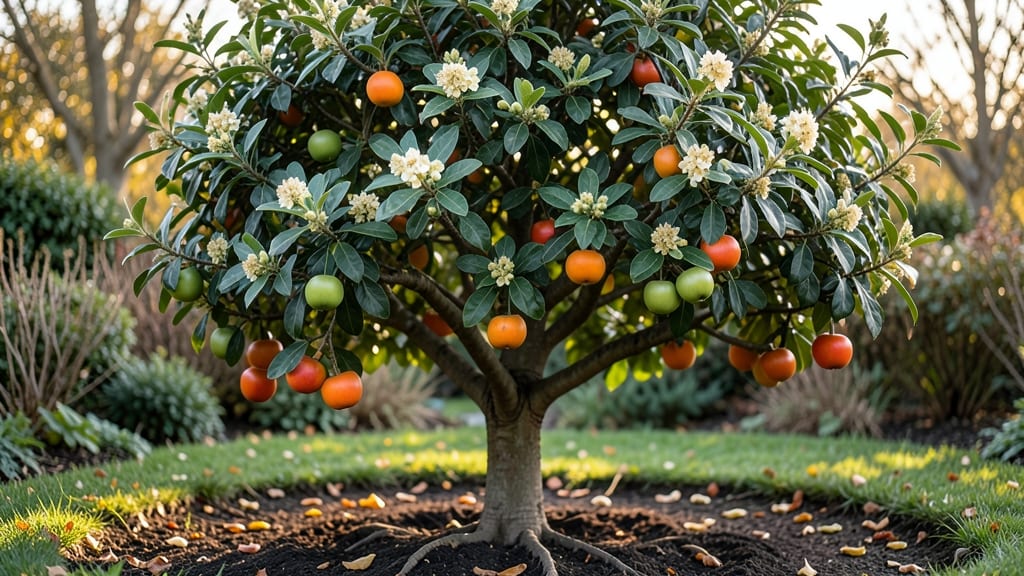
Transforming a persimmon flower 🍑 into a ripe fruit is a rewarding process that demands patience and the right conditions — and knowing the exact stages makes all the difference.
Picture this: your tree bursts into bloom in spring, but by summer, you’re left wondering where the fruit went. That’s often what happens when gardeners miss the critical pollination window or don’t recognize the early signs of fruit set.
Without understanding these stages, even the hardiest trees can drop blossoms or fail to produce.
In this guide, I’ll walk you through the month-by-month journey from flower to harvest, including how to spot healthy blooms, encourage pollinators, and troubleshoot common issues like fruit drop. Whether you’re a beginner or a seasoned grower, these insights will help you maximize your persimmon’s potential.
By the end, you’ll know exactly when to expect fruit, how to tell if it’s thriving, and the best way to harvest for that perfect sweetness. Let’s turn those blossoms into a bountiful crop!
Persimmon flowering stages: identifying key blooms and pollination timing
Persimmon trees produce two distinct flower types—male and female—which play a crucial role in fruit development. The male flowers appear first, typically in late April to early May in USDA zones 6-9, while female flowers follow about 1-2 weeks later.
This timing difference is critical because female flowers require pollen from male flowers to set fruit.
In USDA zones 6-7, blooming usually begins in mid-April, while warmer zones (8-9) may see flowers as early as March. Cold snaps can delay blooming, so protecting young trees with frost cloth during late frosts is wise.
The flowering window lasts about 2-3 weeks, so timing is everything for successful pollination.
Here’s how to identify the key blooms: Male flowers are small, yellow-green, and grow in clusters, while female flowers are solitary, slightly larger, and have a reddish stigma at their center.
If your tree has only male flowers, you’ll need to plant a female-bearing variety nearby for fruit production.
| Stage | Key Features | Pollination Timing | Fruit Potential |
|---|---|---|---|
| Male Flower Stage | Small, yellow-green clusters; no stigma | Late April–early May (USDA 6-7) | Pollen donor only |
| Female Flower Stage | Solitary, larger; reddish stigma | Early May (1-2 weeks after males) | Requires male pollen for fruit |
| Pollination Window | Overlap of male/female blooms | 2-3 weeks (peak in May) | Critical for fruit set |
| Post-Pollination | Female flowers swell into fruit | Late May–June | Fruit drop if pollination fails |
Pollination in persimmons relies heavily on bees and other insects, but wind can also play a role. To encourage pollinators, plant native flowering plants like black-eyed Susans or bee balm near your persimmon tree. Avoid pesticides during bloom, as they can harm pollinators and reduce fruit set.
If your region has low pollinator activity, consider hand-pollinating by gently transferring pollen from male to female flowers using a soft paintbrush. Do this on dry, sunny mornings when flowers are fully open. This method works best for home gardeners with limited pollinator access.
Regional variations matter: In USDA zone 9, persimmons may bloom as early as February, while zone 6 trees might not flower until late May. Always monitor your tree’s progress and adjust care accordingly. Late frosts after blooming can damage flowers, so have frost protection ready.
Once pollination occurs, female flowers will swell into small green fruits within 4-6 weeks. However, many of these early fruits may drop naturally—this is normal and helps the tree conserve energy. Only the healthiest fruits will remain and grow to harvest size by fall.
For astringent varieties (like American persimmons), fruit won’t soften until after the first frost. Non-astringent types (e.g., Fuyu) can be eaten firmer. Understanding these differences helps you time harvests and manage expectations for fruit quality.
Pro tip: Thin fruits when they’re golf-ball sized to ensure larger, higher-quality persimmons. Remove weak or damaged fruit to reduce disease risk and improve air circulation around the tree.
🌱
Month-by-month fruit development: what to expect at each growth phase
Now that your persimmon tree has successfully pollinated, the real magic begins: the transformation from tiny green fruits to sweet, harvest-ready persimmons. This process takes 6-8 months, with each month bringing distinct changes in size, color, and texture that signal progress.
Understanding these stages helps you anticipate fruit development and troubleshoot issues like premature drop or poor coloration.
The journey starts in late May to June, when pollinated female flowers swell into pea-sized green fruits. At this stage, they’re highly vulnerable to disease and pests, so monitor for signs of powdery mildew or fruit rot.
The tree may also drop many of these early fruits—this is normal as the tree conserves energy for the strongest remaining fruits.
- 1 Late May-June: Pea-sized green fruits appear. Thin weak fruits to improve size.
- 2 July-August: Fruits grow to golf-ball size (1-2 inches). Color shifts to yellow-green.
- 3 September: Fruits reach baseball size (3-4 inches). Astringent varieties remain hard; non-astringent soften slightly.
- 4 October: Color deepens to orange. Leaf drop signals ripening for astringent types.
- 5 November: Fruits soften completely (astringent) or are ready to eat (non-astringent). Harvest before frost damage.
By July-August, your persimmons should grow to golf-ball size (1-2 inches) and shift from bright green to yellow-green. This is when you’ll notice the first signs of color development, especially in non-astringent varieties like Fuyu.
If fruits remain hard and green, check for poor pollination or nutrient deficiencies—apply a balanced fertilizer if needed.
In September, fruits typically reach baseball size (3-4 inches). Here’s where the differences between astringent (e.g., American persimmons) and non-astringent (e.g., Fuyu) become obvious. Astringent varieties stay rock-hard until frost, while non-astringent types begin to soften slightly and develop a glossy sheen.
Watch for leaf drop in October, a key signal that astringent persimmons are nearing ripeness. The fruits will deepen to bright orange, and their skin may develop a waxy texture.
This is also when you should reduce watering to prevent splitting. For non-astringent varieties, taste-test a fruit—it should be sweet and soft by this stage.
By November, your persimmons are ready for harvest! Astringent types will finally soften and lose their bitterness after the first frost, while non-astringent varieties can be picked as soon as they’re fully orange and pliable.
If left too long on the tree, persimmons may over-ripen or attract pests like fruit flies. Store harvested persimmons in a cool, dry place for up to 2 weeks.
🍑