
Flowers
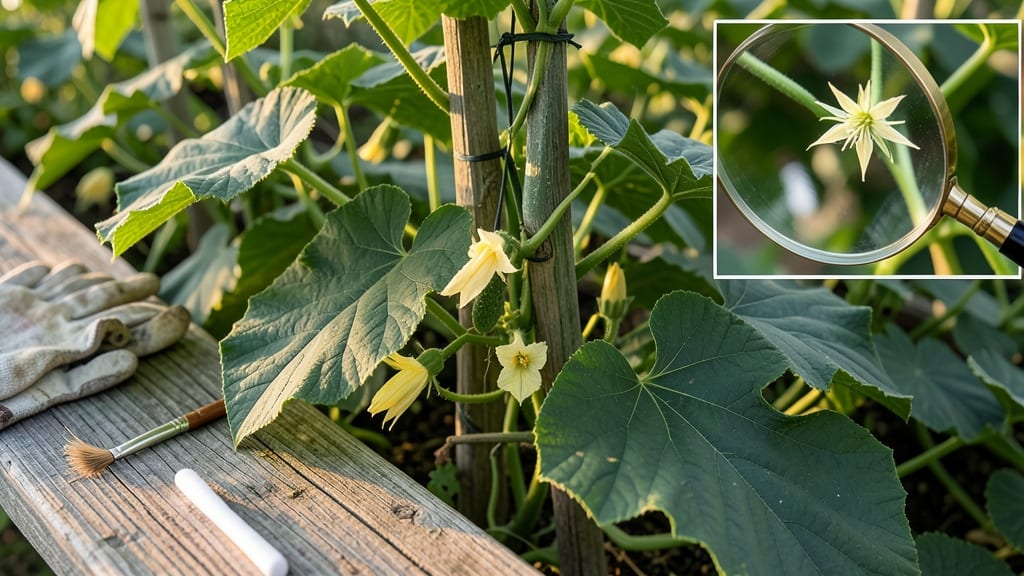
To pollinate cucumbers without male flowers, you simply need to transfer pollen from any available source—even another plant—to the female blooms using a soft brush or fingertip.
Picture this: your 🥒 plants are bursting with female flowers, but the fruit just won’t set. The problem? No male flowers to provide pollen. But here’s the game-changer—you don’t need them.
With a little manual effort, you can ensure every female bloom gets the pollen it needs for a full harvest.
This method works especially well in greenhouses, containers, or areas where bees struggle to reach. The key is timing—pollinate in the morning when blooms are fresh, and use gentle pressure to avoid damaging delicate petals.
Even a single missed flower can mean wasted potential, so let’s break down the easiest techniques to guarantee success.
Below, you’ll discover how to spot female flowers, the best tools for the job, and pro tips to maximize your yield—no bees, no stress, just cucumbers galore by summer’s end.
How to identify female cucumber flowers for hand-pollination success
If your cucumber plants are blooming but not producing fruit, you might be missing the key difference between male and female flowers. Female flowers hold the secret to your harvest—they're the ones that develop into cucumbers!
Learning to spot them is your first step toward a bountiful yield without relying on bees.
Female cucumber flowers are easy to identify once you know what to look for: a tiny cucumber-shaped ovary at the base of the bloom. This little bump is your clue that this flower can become fruit if properly pollinated.
Male flowers, on the other hand, have long stems with no ovary, making them useless for fruit production.
Timing is everything when it comes to hand-pollination. The best times to work are early morning (just after dew dries) or late afternoon (when temperatures cool). These windows give pollen time to transfer effectively while avoiding the midday heat that can damage delicate blooms.
You don't need fancy tools to pollinate cucumbers—just a few simple items from around your home. A soft paintbrush, cotton swab, or even your clean fingertip will work perfectly. The goal is to gently transfer pollen from male flowers to female ones without causing damage to either bloom.
Here’s how these two flower types compare at a glance—this visual guide will help you spot female flowers instantly and focus your pollination efforts where they matter most:
Once you’ve identified your female flowers, focus on pollinating them within the first 24 hours of opening. The ovary at the base is most receptive to pollen during this window. If you miss it, the flower may wilt and drop without setting fruit.
Pro tip: Keep a small notebook by your garden to track which vines produce more female flowers. Some cucumber varieties naturally favor female blooms under specific conditions, like warmer temperatures or lower nitrogen levels. Adjust your care routine based on what you observe!
If you’re growing cucumbers in a greenhouse or indoors, where pollinators are scarce, hand-pollination becomes even more critical. The absence of bees means you’re solely responsible for transferring pollen—so stay vigilant and pollinate every female flower that appears.
Remember, successful pollination isn’t just about technique—it’s also about patience and consistency. Check your plants daily during peak blooming season (typically late morning to early afternoon) and repeat the process every time new female flowers open. With practice, you’ll develop a rhythm that maximizes your cucumber yield.
🌱
Step-by-step hand-pollination techniques for female cucumber flowers
When your cucumber plants produce female flowers but no fruit, hand-pollination becomes your secret weapon. This technique mimics how bees transfer pollen from male flowers to female flowers, ensuring fruit development even without natural pollinators.
The key is timing and gentle handling—pre-dawn or post-sunset are ideal times when flowers are fresh and receptive.
Before you begin, gather your tools: a soft paintbrush, cotton swab, or even your fingertip. Avoid using anything abrasive, as damaging flower petals can reduce pollination success.
Work in a shaded area to prevent overheating the delicate blooms, and always prioritize female flowers (they have a tiny cucumber at the base).
How to Pollinate Cucumbers Without Male Flowers
-
Step 1: Identify Male Flowers
Locate male flowers (long stems, no cucumber base). Gently remove a pollen-laden anther (yellow dust) using your tool.
-
Step 2: Collect Pollen
Dip your paintbrush or swab into the male flower’s pollen. Avoid pressing too hard to prevent damage.
-
Step 3: Target Female Flowers
Find female flowers (tiny cucumber at the base). Gently brush the stigma (center of the flower) with collected pollen.
-
Step 4: Repeat Daily
Pollinate every 2–3 days during peak blooming (morning or evening). Focus on open female flowers for best results.
-
Step 5: Monitor Results
Check for swollen ovaries (tiny cucumbers) within 48 hours. If no growth occurs, repeat pollination or check for pollen viability.
If you’re missing male flowers entirely, try gently vibrating the plant (like shaking a bee) to release existing pollen. For greenhouse growers, introduce beneficial insects or use a small electric vibrator near blooms. Over-pollination is rare, but avoid reusing pollen from the same male flower—it may be depleted.
Troubleshooting tip: If female flowers wilt after pollination, they may have been fertilized already. Remove them to redirect the plant’s energy to new blooms. Consistency is key—daily checks maximize your chances of a bountiful cucumber harvest.
With patience and precision, you’ll soon see those tiny cucumbers grow into plump, ready-to-harvest fruits—no bees required! 🥒