
Blooming
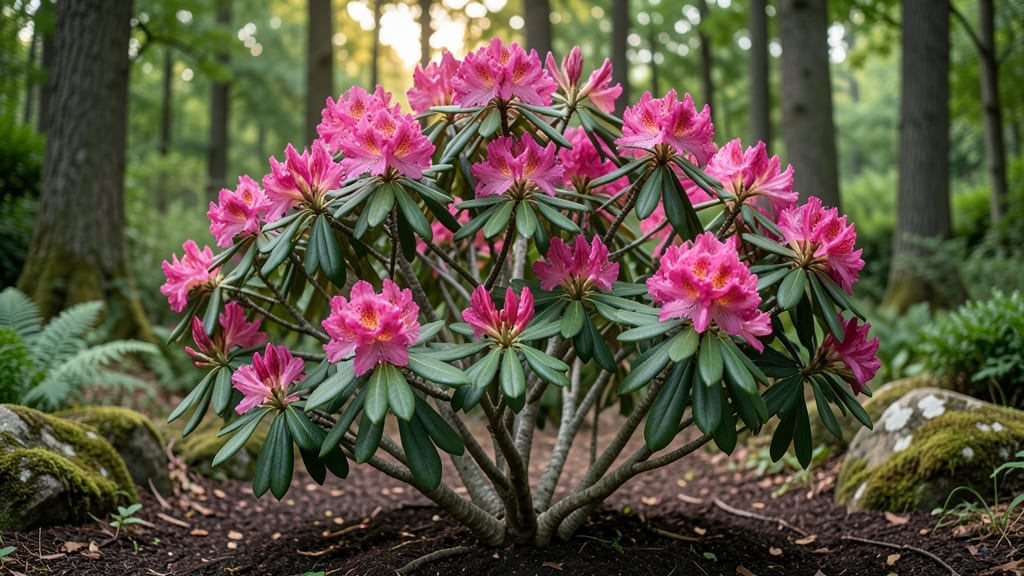
Rhododendrons bloom during their flowering period in spring, but the exact months depend on your climate zone—get it wrong, and you’ll miss the show entirely.
Timing your rhododendron blooms perfectly ensures a dazzling spring display—but knowing exactly when to expect flowers depends on your climate zone. Miss the window, and you’ll watch those vibrant blooms fade before they peak.
In Zone 6, where most gardeners live, the flowering period for rhododendrons typically spans from late April to early May, but varieties in cooler Zones 4-5 may start as early as March. Meanwhile, warmer Zones 7-8 often see blooms stretching into June, with some late varieties lingering until July.
Whether you’re planning your garden’s color palette or troubleshooting a lack of flowers, understanding these zone-specific timelines is the key to maximizing your rhododendron’s 🌸 potential. Here’s how to align your care routine with their natural bloom cycle for the best results.
Rhododendron flowering calendar by USDA climate Zones (with exact months)
Timing your rhododendron blooms is all about knowing your USDA climate zone. These stunning shrubs thrive in Zones 3-9, but their flowering windows shift dramatically from the Pacific Northwest to the Southeast.
In colder zones like Zone 3, buds may wait until late May, while Zone 9 gardens often see flowers by February. Understanding these patterns helps you select varieties that align with your local spring timeline.
Early bloomers like Rhododendron 'Catawbiense Grandiflorum' often burst into color 2-3 weeks earlier than late varieties such as Rhododendron 'Nova Zembla'. Regional microclimates also play a role—coastal areas (like Oregon) may bloom weeks ahead of inland Zone 6 gardens.
Let's break down the exact months for each zone to help you plan your garden's spring spectacle.
🌸 Pro Tip: For a prolonged display, mix early, mid, and late-season varieties in your landscape. This creates a staggered bloom effect that extends your rhododendron season by 4-6 weeks.
In Zone 3 and Zone 4, where winters are harsh, rhododendrons often wait until soil temperatures rise above 45°F before blooming. This typically aligns with late May for early varieties and early July for late bloomers.
The Pacific Northwest (Zones 6-8) tends to see flowers 2-3 weeks earlier than similar zones in the Midwest due to milder winters.
The Southeast (Zones 7-9) offers the most extended bloom periods, with some varieties like 'Pink Pearl' producing flowers as early as February. In Zone 9, you might even catch reblooming on certain cultivars if summer conditions are ideal.
This makes the Southeast perfect for creating year-round interest with rhododendrons.
For Northeast gardeners in Zone 5-6, timing is critical. Early spring frosts can damage buds, so choose late-blooming varieties like 'PJM' that open after the frost danger has passed (typically after May 15).
In these zones, mulching with pine needles or wood chips helps regulate soil temperature for consistent blooming.
If you're in Zone 7 or warmer, consider coastal varieties like 'Boule de Neige' that thrive in humid climates. These often bloom 3-4 weeks earlier than their inland counterparts. The key is matching your microclimate with the right cultivar—whether you're in dry hillsides or moist valleys.
To maximize your rhododendron's performance, prune after flowering (June-July) to avoid cutting off next year's buds. In <
How to extend your rhododendron’s flowering season naturally (pro tips)
Want those rhododendron blooms to last longer and arrive earlier? The secret lies in understanding your plant’s needs and making a few strategic adjustments.
Most rhododendrons bloom for 2-4 weeks in spring, but with the right care, you can stretch that window to 6-8 weeks—or even coax a second flush of flowers! The key is timing, soil health, and smart pruning.
First, let’s tackle the biggest misconception: rhododendrons don’t like hot weather. Their blooms often fade fast when temperatures rise above 75°F (24°C). By adjusting your care routine, you can help them thrive in cooler conditions and extend their display.
Start with these natural, low-effort strategies that work without chemicals or harsh interventions.
-
1. Prune at the Right Time
Cut back spent blooms immediately after flowering (May-June) to redirect energy to next year’s buds. Avoid pruning in fall or winter—this removes next season’s flowers! -
2. Adjust Soil pH
Test your soil—rhododendrons thrive at pH 4.5-6.0. Add peat moss or sulfur to lower pH if needed. A pH above 7.0 starves roots and reduces blooms. -
3. Mulch Like a Pro
Use 3-4 inches of pine bark mulch to keep roots cool and retain moisture. Replenish annually—mulch breaks down fast and loses effectiveness. -
4. Water Deeply & Consistently
Give 1-2 gallons per plant weekly (more in drought). Water at soil level, not leaves to prevent fungal diseases like petal blight. -
5. Choose Late-Blooming Varieties
Plant ‘PJM’ or ‘Catawbiense’ for June-July blooms. Mix early (‘Elizabeth’) and late (‘Nova Zembla’) types for staggered color all season.
Let’s dive deeper into the pruning strategy that makes the biggest difference. Most gardeners prune rhododendrons in late winter or early spring, but this is a mistake if you want longer blooms.
Instead, prune right after flowering—this removes spent blooms and encourages the plant to focus on next year’s flower buds instead of seed production.
Don’t overlook the power of light shade during peak summer months. While rhododendrons love morning sun, afternoon rays can scorch leaves and stress the plant. If your rhododendron is in a hot, sunny spot, add a light shade cloth (30-50%) during July and August.
This simple trick can extend blooms by 2-3 weeks by reducing heat stress.
For those who want to push the envelope, try a partial winter pruning hack. In late fall (November), lightly trim 10-15% of the oldest growth to stimulate new, more vigorous shoots.
These younger stems often produce larger, more abundant blooms the following spring. Just be gentle—rhododendrons hate aggressive pruning and may skip flowering if stressed.
Finally, feed your rhododendron with acid-loving fertilizer in early spring (March) when buds begin to swell. Use a 10-10-10 or 8-3-9 formula (high in phosphorus for blooms) and apply it 1 inch away from the trunk to avoid burning roots.
Skip fertilizing in summer or fall—this can lead to late-season growth that’s vulnerable to frost damage.