
Advice
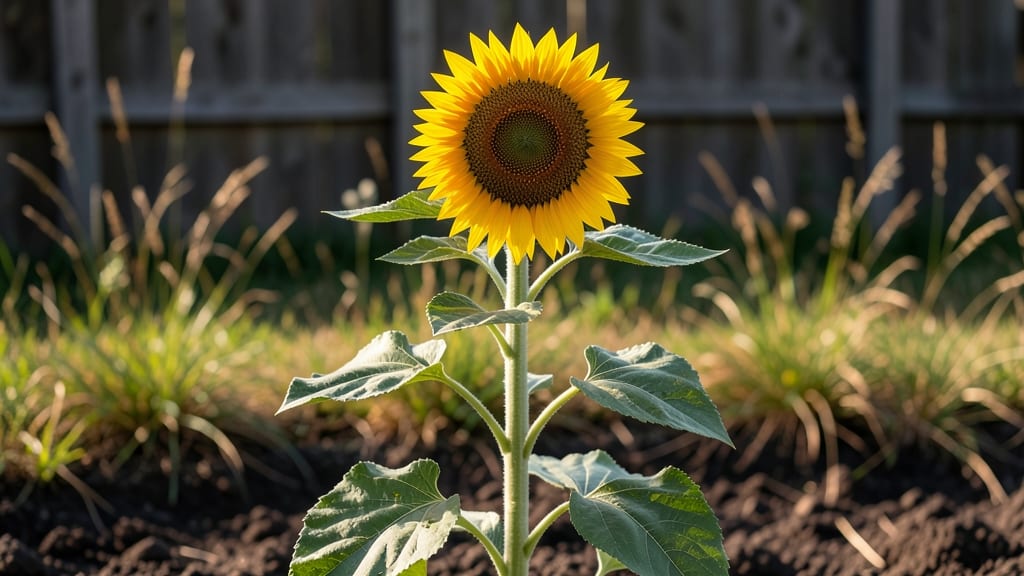
Knowing the sunflower days to maturity is the secret to planning a garden that bursts with golden blooms at exactly the right time.
Picture this: you’ve spent weeks watching those tiny sprouts push through the soil, only to wonder, “Will they ever bloom?” The answer isn’t one-size-fits-all—some varieties pop up in 50 days, while others take nearly four months to reach their full glory. That’s why variety matters more than you think.
From dwarf sunflowers that fit in a patio pot to towering giants that reach for the sky, each type has its own timeline.
Below, I break down the exact days to maturity for popular varieties, plus the climate and care tricks that can shave weeks off your wait—or stretch it out for a longer harvest season.
Ready to time your plantings like a pro? You’ll learn how to pick the perfect variety for your zone, adjust for early or late frosts, and even coax faster growth with simple tweaks. Let’s get those 🌻 timelines locked in!
Sunflower days to maturity by variety: fastest to slowest bloomers
If you're planning your garden around sunflowers, knowing their days to maturity is crucial for timing plantings and enjoying those stunning golden blooms.
Some varieties like 'Moulin Rouge' burst into color in just 50 days, while giants like 'Russian Giant' take over 120 days to reach their full height. The good news? This diversity means you can have sunflowers blooming from early summer through fall!
Sunflower maturity times vary dramatically based on their height classification. Dwarf varieties stay under 3 feet and mature fastest, while giant varieties can tower over 12 feet and take nearly twice as long.
Even within these categories, specific cultivars have unique timelines that can help you create a staggered bloom schedule for continuous color in your garden.
For quick blooms, dwarf varieties like 'Moulin Rouge' are perfect for container gardens or small spaces. They mature in just 50-55 days, making them ideal for early summer color. These compact plants also work beautifully in flower arrangements and attract pollinators like bees and butterflies.
If you're aiming for tall, dramatic sunflowers, varieties like 'Russian Giant' deliver the wow factor but require more time and space. These giants take 120+ days to mature, so plan your garden layout accordingly.
Their massive flower heads make stunning focal points and produce high-quality seeds for next year's planting.
For a balanced approach, semi-dwarf varieties like 'Autumn Beauty' offer a middle ground with 60 days to maturity and heights of 3-5 feet. These are excellent choices for cut flowers and pollinator gardens, providing both beauty and function without overwhelming your space.
When selecting sunflower varieties, also consider your local climate. In cooler regions, opt for faster-maturing varieties to avoid late-season frost damaging your blooms. In warmer climates, you can extend your growing season with fall plantings of longer-maturing varieties like 'Mammoth'.
Pro tip: Use the days to maturity information to create a staggered planting schedule. Plant fast varieties first, followed by medium and slow
How to adjust planting time for perfect sunflower blooms
Timing your sunflower plantings correctly ensures you enjoy those vibrant blooms at the perfect moment—whether you're aiming for summer splendor or fall color. Since sunflowers grow at different speeds, your planting schedule should match both the variety's days to maturity and your local climate.
For example, a 50-day dwarf variety planted in late spring will bloom by early summer, while a 120-day giant needs an earlier start to avoid frost.
Your last frost date and first frost date are your best friends here. In USDA Zone 6a (like many northern regions), where frost typically arrives by mid-October, you’ll want giant sunflowers planted by early May to bloom before cold weather.
Meanwhile, in warmer Zone 9b, you could even try a fall planting for late-season color! The key is calculating backward from your desired bloom time.
🌱 Sunflower Planting Timeline by Days to Maturity
- 50-60 days: Plant 4-6 weeks before last frost for summer blooms (e.g., 'Teddy Bear' dwarf). Ideal for containers or small gardens.
- 70-80 days: Plant 6-8 weeks before last frost for mid-summer flowers (e.g., 'Autumn Beauty'). Perfect for cut flowers and pollinators.
- 90-100 days: Plant 8-10 weeks before last frost for late summer/early fall blooms (e.g., 'ProCut' hybrids). Great for extended harvests.
- 100-120+ days: Plant 10-12 weeks before last frost for fall color (e.g., 'Russian Giant'). Needs longer growing season to mature.
💡 Pro Tip: Use a planting calendar or online tool to input your frost dates and variety for precise timing.
For staggered plantings, which extend your blooming season, sow seeds every 2-3 weeks after your initial planting. This works especially well in warmer climates where you can push the season later.
For instance, if your first batch of 70-day sunflowers blooms in July, a second planting in early June might yield flowers in August—just in time for back-to-school photos!
Don’t forget to account for soil temperature. Sunflower seeds need soil at 50°F or warmer to germinate. In cooler climates, use black plastic mulch or a cold frame to warm the soil earlier.
This can shave off critical days and help faster-maturing varieties like 'Moulin Rouge' (50 days) reach bloom stage sooner.
If you’re aiming for fall blooms, time your planting so flowers open 4-6 weeks before your first frost. For example, in Zone 5 (first frost: October 10), a 90-day variety planted by June 15th should bloom by late August.
Pair this with drought-tolerant varieties like 'Sunspot' to ensure they thrive as summer winds down.
Finally, keep an eye on local weather patterns. A late frost or unexpected heatwave can throw off your timeline. If your sunflowers are still young when frost threatens, consider transplanting them to a protected spot or using row covers to buy extra time.
With the right adjustments, you’ll enjoy sunflowers in bloom for weeks—or even months—longer than expected! 🌻