
Advice
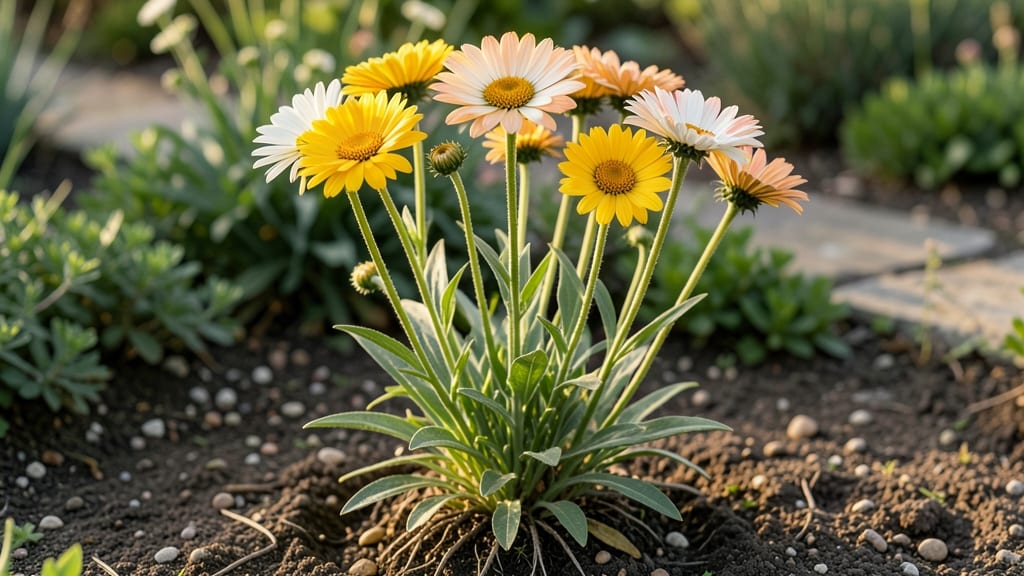
Strawflowers have a strawflower days to maturity of 60 to 120 days, depending on whether you start from seed or transplant 🌼 — a timeline that can make or break your garden’s seasonal color show.
Picture this: you’ve waited all spring for those bright, papery blooms, only to find they’re still stubbornly green when summer arrives. That’s where knowing the exact days to maturity comes in — it’s the difference between a spectacular display and a season of disappointment.
Most varieties bloom in 90 days from seed, but cuttings can flower in as little as 30 days if conditions are ideal. Climate, sunlight, and even soil warmth play a role, so I’ll break down how to adjust your planting schedule for the fastest, most reliable blooms.
By the end, you’ll know exactly when to plant for long-lasting color, how to speed up growth, and which varieties to pick for your zone. Let’s get those strawflowers blooming on time!
Strawflower days to maturity by variety: fastest to slowest blooming types
Strawflowers (Xerochrysum bracteatum) are prized for their long vase life and drought tolerance, but their days to maturity vary dramatically by variety. Whether you're growing annual varieties like 'Moulin Rouge' or perennial types like Helipterum, understanding these timelines helps you plan for season-long color.
In USDA Zone 6a, for example, fast varieties bloom in 60 days, while slower perennials take 120+ days—a difference that impacts your planting strategy.
Climate plays a huge role: Southern gardeners in Zones 8-10 can push annual varieties to bloom in just 50 days with extended growing seasons, while Northern gardeners in Zones 3-5 may need to start seeds indoors 8-10 weeks early to avoid frost.
Even within the same variety, transplanting (vs. direct sowing) can shave off 20-30 days to maturity. Let’s break down the fastest and slowest blooming types to help you choose the perfect strawflower for your garden timeline.
Annual strawflowers like 'Moulin Rouge' are the fastest bloomers, often reaching maturity in just 50-60 days from seed when grown in warm climates. This makes them perfect for succession planting—sow a new batch every 3-4 weeks to enjoy blooms from summer through fall.
In contrast, perennial varieties like Helipterum 'Pink Dream' take 90-100 days to mature but reward you with multi-year blooms, provided they’re planted in USDA Zones 8-11 where winters are mild.
For Northern gardeners in Zones 3-5, the key to success is starting seeds indoors 8-10 weeks before your last frost date. Use a heat mat to speed up germination, which typically takes 7-14 days in <
How to calculate your strawflower planting timeline for perfect blooms
Timing is everything when growing strawflowers, and understanding their days to maturity ensures you enjoy those stunning, papery blooms all season. Most strawflower varieties take between 60 to 90 days to reach maturity from seed, but this can vary based on your climate and growing conditions.
For example, 'Moulin Rouge' typically blooms in 70 days, while 'Dwarf Strawflower' may take 80 days. Start by checking your local last frost date—this is your starting point for backward planning.
To calculate your planting window, subtract the days to maturity from your desired bloom date. For instance, if you want flowers by July 4th and are growing 'Golden Strawflower' (which takes 85 days), plant seeds by April 10th.
Adjust this timeline by 10–14 days earlier for northern climates or 10–14 days later in warmer southern regions. This flexibility accounts for slower growth in cooler zones or faster development in heat.
For succession planting, stagger your sowings every 2–3 weeks to extend your bloom time. For example, if you plant a batch on April 1st, follow up with another on April 15th and May 1st.
This ensures continuous colorful displays from summer through early autumn. Container gardeners should also account for slightly slower growth due to limited root space, adding an extra 7–10 days to maturity timelines.
🌼 Strawflower Planting Timeline Cheat Sheet
When working with transplants instead of seeds, reduce the days to maturity by about 30–45 days. For example, a 'Papaver'-type strawflower that takes 90 days from seed may bloom in 45 days when transplanted.
This is ideal for gardeners who want to skip the seed-starting process or extend their growing season. Always harden off transplants for 7–10 days before planting to reduce transplant shock and ensure smoother growth.
For container gardening, choose compact varieties like 'Dwarf Strawflower' or 'Baby Ball', which mature in 70–80 days. Use well-draining potting mix and containers with drainage holes to prevent root rot.
Place pots in a sunny spot (at least 6 hours of direct sunlight) and water deeply when the top 1–2 inches of soil feel dry. Containers dry out faster than garden beds, so monitor moisture levels closely during hot weather.
Finally, keep an eye on your soil temperature—strawflowers germinate best in soil that's at least 60°F (15°C). Use a seedling heat mat if planting early in cooler climates. Once established, strawflowers are drought-tolerant, but consistent watering during the first 4–6 weeks encourages robust root development.
With these adjustments, you’ll enjoy vibrant strawflower blooms that last well into autumn! 🌻