
Flowers
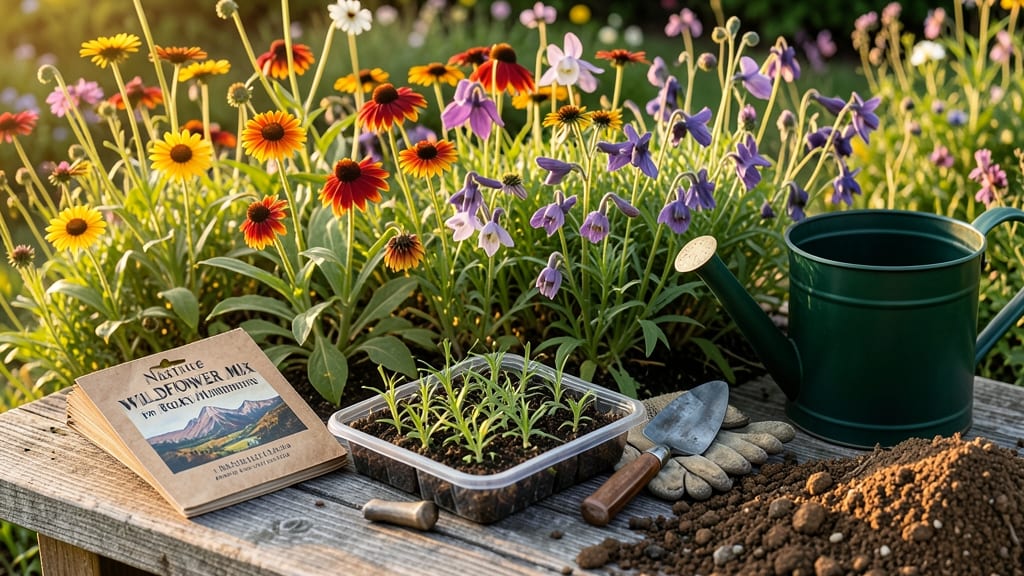
You can plant flowers in Colorado once soil temperatures hit 50°F and frost risk fades — typically late April to mid-June for spring blooms or late August to early September for fall varieties.
Colorado’s diverse microclimates—from high-altitude mountain valleys to arid plains—create a unique gardening puzzle. Planting flowers at the wrong time can mean wilted dreams, but timing it right unlocks a year-round bloom parade.
If you’ve ever watched your 🌸 seedlings shiver under a late spring frost or seen summer heat scorch tender petals, you know how critical the timing is. The key is matching your location’s frost dates, elevation shifts, and soil conditions to the right flower types.
In this guide, I’ll break down the best months for planting in your specific Colorado zone, share pro tips for extending the season, and help you pick flowers that thrive in our 5-7 USDA zones—no guesswork, just science-backed success.
Colorado flower planting calendar by microclimate Zone
Colorado’s four distinct microclimates—Front Range, Western Slope, Eastern Plains, and Mountain Regions—each demand a unique approach to planting flowers. The last frost dates can vary by 1,000 feet in elevation, making a one-size-fits-all calendar risky.
For example, Denver’s USDA Zone 5b might see its last frost in mid-April, while Grand Junction’s Zone 7a could be frost-free by mid-March. Understanding these differences ensures your annuals, perennials, and bulbs thrive year-round.
To simplify, I’ve broken down the ideal planting windows for each region, including early bloomers like tulips and late-season stars such as chrysanthemums. Whether you’re in Boulder’s cooler highlands or Pueblo’s arid plains, this calendar aligns with local frost data and soil temperature thresholds to maximize your garden’s potential.
Pro tip: Use row covers in early spring to extend your planting window by 2-3 weeks in colder zones.
| Microclimate Zone | Last Frost Date | First Frost Date | Ideal Planting Windows | Early Bloomers (Mar-May) | Late Bloomers (Aug-Oct) |
|---|---|---|---|---|---|
| Front Range (Denver, Boulder, Fort Collins) | Mid-April | Mid-October | Late April–Mid-June Late August–Early Sept |
Tulips, Daffodils, Pansies | Chrysanthemums, Asters, Mums |
| Western Slope (Grand Junction, Durango) | Mid-March | Late October | Early April–Mid-May Late July–Early Sept |
Lavender, Snapdragons, Sweet Peas | Zinnias, Marigolds, Cosmos |
| Eastern Plains (Pueblo, Colorado Springs) | Late April | Early November | Late April–Early June Late August–Mid-Sept |
Iris, Lilacs, Allium | Dahlias, Sunflowers, Coneflowers |
| Mountain Regions (Aspen, Leadville) | Early June | Late September | Late May–Mid-July Late July–Early Aug |
Columbines, Penstemons, Lupines | Goldenrod, Sedum, Alpine Flowers |
For the Front Range, where Zone 5-6 dominates, late April is your cue to plant cool-season annuals like pansies and sweet peas. These early bloomers tolerate light frosts and even thrive in 50°F soil, giving you color by May.
In contrast, heat-loving annuals like zinnias and marigolds should wait until mid-May when nighttime temps stay above 55°F. Fall planting in the Front Range starts in late August, with chrysanthemums and asters blooming until first frost.
On the Western Slope, where Zone 7 extends the growing season, you can push the envelope with early April plantings of drought-tolerant flowers like lavender and Russian sage. These plants thrive in well-draining soil and low humidity, making them perfect for Grand Junction’s arid climate.
For late bloomers, focus on zinnias and cosmos, which handle 90°F+ temps and still produce vibrant blooms through October. Pro tip: Mulch heavily to retain moisture in sandy soils.
The Eastern Plains, with its Zone 5-6 classification, mirrors the Front Range but with earlier frost risks in Pueblo’s high desert. Start tender perennials like dahlias in late May after the soil warms
How to adjust planting times for Colorado’s unpredictable weather patterns
Colorado’s unpredictable weather can turn a gardener’s well-laid plans into a gamble. One day it’s 50°F and sunny, the next a late spring frost hits, or a sudden heatwave scorches tender seedlings. Adjusting planting times isn’t just about dates—it’s about reading your local microclimate like a pro.
Take Denver’s urban heat islands, for example, where pavement stores heat and can delay frost by 1-2 weeks compared to nearby Boulder’s cooler foothills. Meanwhile, high-altitude gardens in Eagle County might face frost until June 15th, while Pueblo’s lower elevation sees safer planting by May 1st.
The key? Localized adjustments based on soil temperature, elevation shifts, and historical frost data.
⚠️ callout warning
Don’t let warm March days fool you—late frosts can hit as late as May 10th in mountain zones. Use the ‘7-day rule’: Wait 7 days after your last frost date before planting tender annuals like marigolds or petunias. For transplants, harden them off first to avoid shock from temperature swings.
🌡️ Pro Tip: Check soil temp with a soil thermometer—50°F is the magic number for most flowers.
Start by testing your soil temperature—a soil thermometer ($10 at garden centers) is your best friend. Cool-season flowers like pansies or calendula can handle 40°F soil, but warm-season bloomers (think geraniums or zinnias) need at least 55°F.
In high-altitude areas, soil warms 2-3 weeks later than in Denver or Colorado Springs.
For transplants, follow the ‘7-day rule’: Wait 7 days after your last frost date before moving seedlings outdoors. This buffer accounts for unpredictable cold snaps. Use row covers or cloche tunnels to shield new plants if nights dip below 40°F.
In urban heat islands like Aurora or Lakewood, you might push planting 2 weeks earlier—but monitor for heat stress.
Elevation matters too. Every 1,000 feet gain delays planting by 3-5 days. For example, Fort Collins (5,000 ft) can plant 1 week later than Pueblo (4,700 ft).
Use CSU Extension’s frost maps to pinpoint your zone, then adjust by ±1 week based on your garden’s exposure (e.g., south-facing slopes warm faster than north-facing yards).
Finally, embrace fall planting for perennials and bulbs. Late August to early September gives roots time to establish before winter. Mulch heavily (3-4 inches) to insulate soil and retain moisture—critical in Colorado’s dry climate.
For container gardens, move pots to sheltered spots or use heat-resistant fabric to shield from sudden heatwaves.