
Planting
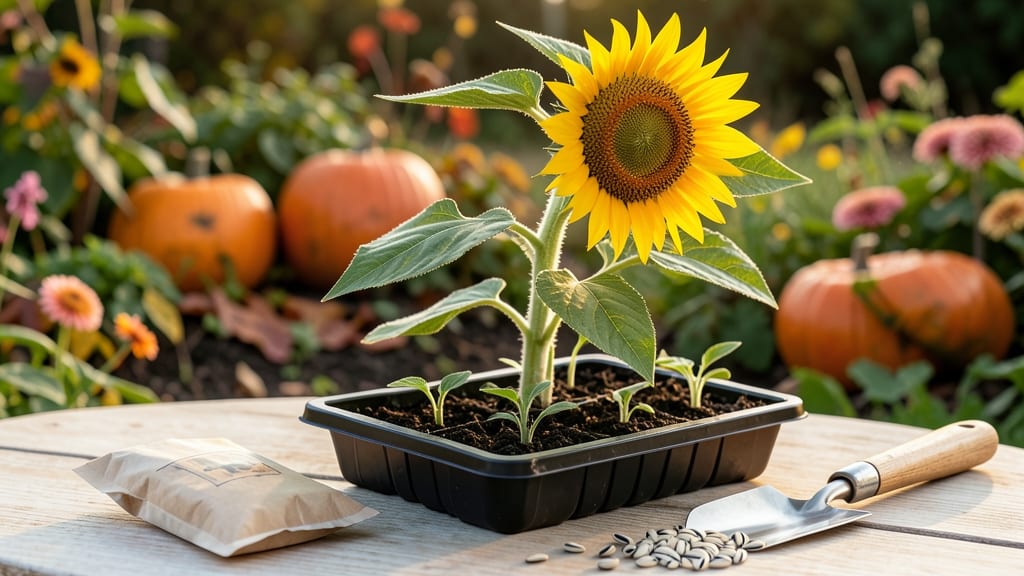
Planting sunflowers in fall is absolutely doable—and it can give you a second burst of golden blooms when most gardens are winding down.
Sunflowers are often thought of as summer stars, but with the right timing and care, they can thrive in cooler months too. The key is choosing fast-maturing varieties and planting them early enough to avoid frost while still enjoying longer daylight for growth.
In USDA Zone 6a and warmer regions, fall-planted sunflowers can bloom as late as October or November, adding late-season color to your garden. However, colder climates may require extra protection like row covers or mulch to help them survive overnight chills.
Below, I’ll walk you through the best varieties for fall, soil prep tips, and how to shield your sunflowers from early frost—so you can enjoy two seasons of sunshine in one year.

Best fall planting conditions for sunflowers: climate and timing
Planting sunflowers in fall can be a game-changer for extending your garden's golden season. The key lies in understanding your USDA zone and local frost dates. Unlike spring plantings, fall sunflowers need to mature before first frost arrives, which means timing is everything.
In USDA zones 3-7, you’ll need fast-maturing varieties, while zones 8-10 have more flexibility due to milder winters.
Sunflowers thrive in warm soil, so aim to plant when soil temperatures are still above 50°F (10°C). This typically means starting in late August to early September in most regions.
If you plant too late, your sunflowers may not reach maturity before frost, leaving you with stunted or non-flowering plants. Always check your last frost date and count backward from there.
To calculate your ideal planting window, use this simple formula: subtract the days to maturity of your sunflower variety from the number of days until first frost. For example, if your frost date is October 30 and your sunflower takes 60 days to bloom, plant by August 31.
This ensures your sunflowers have enough time to grow and flower before winter sets in.
If you’re in a warmer climate (zones 9-10), you can push your planting window later into fall, even into October. These regions often experience milder winters, giving sunflowers more time to grow.
However, always choose fast-maturing varieties like 'Autumn Beauty' or 'Moulin Rouge' to maximize your chances of success.
Another critical factor is soil preparation. Fall-planted sunflowers benefit from well-draining, nutrient-rich soil. Before planting, amend your soil with compost or aged manure to provide essential nutrients. Sunflowers are heavy feeders, so giving them a nutrient boost early on helps them grow faster and reach maturity before frost.
Don’t forget to consider microclimates in your garden. Areas near buildings, fences, or slopes may stay warmer longer, extending your planting window. For example, a south-facing wall can create a microclimate that’s 5-10°F warmer than the rest of your garden, giving your sunflowers a few extra weeks of growth.
Use these spots to your advantage when planning your fall planting.
For gardeners in USDA zones 3-5, where winters are harsh, focus on short-day varieties that mature quickly. These sunflowers can complete their life cycle before the first frost, even in cooler conditions.
Pair this with row covers or mulch to protect young plants from unexpected cold snaps, which can delay growth and reduce yields.
One common mistake is planting sunflowers too late in the fall, assuming they’ll survive winter. While sunflowers are annuals and not cold-hardy, they can’t withstand freezing temperatures. Always prioritize maturity over survival—your goal is to harvest seeds or enjoy blooms before winter arrives, not to overwinter the plants.
To stay on track, mark your planting dates on a calendar and set reminders for watering and fertilizing. Fall-planted sunflowers may need slightly more frequent watering than spring-planted
How to choose and prepare sunflower varieties for fall planting
Not all sunflowers thrive in cooler fall conditions, but selecting the right varieties and preparing them properly can make all the difference. Fast-maturing sunflowers like 'Autumn Beauty' or 'Moulin Rouge' are perfect for fall planting because they bloom quickly before frost sets in.
These varieties typically mature in 60-75 days, giving them enough time to grow and flower before winter arrives.
When choosing seeds, look for cold-hardy hybrids that can tolerate light frosts. Varieties like 'Teddy Bear' or 'Russian Giant' (dwarf types) are also great options because they’re more resilient to temperature fluctuations. Always check the days-to-maturity label on seed packets to ensure they’ll bloom before your first frost date.
| Variety | Days to Maturity | Height | Cold Tolerance | Seed Treatment |
|---|---|---|---|---|
| Autumn Beauty | 60-75 days | 3-5 ft | Moderate | Soak 4 hours |
| Moulin Rouge | 55-65 days | 4-6 ft | High | Stratify 2 weeks |
| Teddy Bear | 50-60 days | 2-3 ft | Very High | No treatment |
| Russian Giant | 70-80 days | 10-14 ft | Moderate | Soak 2 hours |
Before planting, consider seed treatments to boost germination and cold resistance. Soaking seeds in warm water for 4-6 hours softens the seed coat, speeding up sprouting. For varieties like 'Moulin Rouge', a 2-week stratification (chilling seeds in moist paper towels) mimics winter conditions and encourages faster growth once planted.
Amend your soil with compost or aged manure to improve drainage and fertility, which helps sunflowers establish roots quickly in cooler weather. Aim for a pH between 6.0 and 7.0—sunflowers prefer slightly acidic to neutral soil.
Mix in a slow-release fertilizer like 10-10-10 at planting time to provide nutrients without overstimulating growth.
For extra protection, plant seeds 1 inch deep and 6 inches apart in well-draining soil. Use black plastic mulch to warm the soil and suppress weeds, which can compete with young sunflowers. Water deeply after planting to encourage root development, but avoid overwatering, as soggy soil can lead to rot.
With the right variety selection and preparation, fall-planted sunflowers can bloom beautifully before winter arrives. Just remember to monitor for pests like sunflower moths and use row covers if needed to shield tender seedlings from early frosts. 🌻