
Flowers
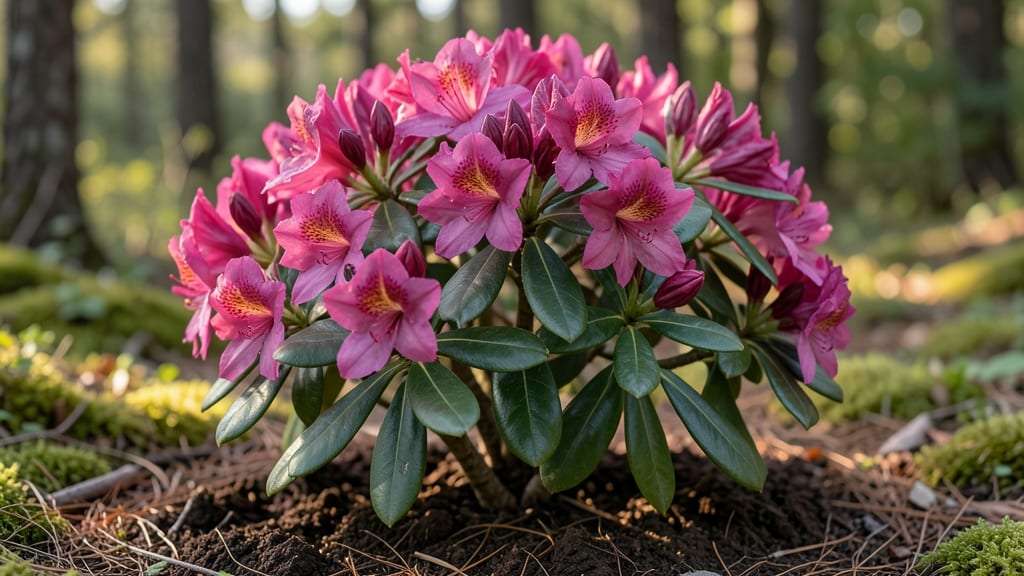
Rhododendrons flower in late winter to early spring 🌸, but the exact timing depends on your USDA zone and the variety you’ve planted.
Picture this: your yard is still blanketed in snow, and suddenly, clusters of vibrant blooms appear on your rhododendron shrubs—like magic. But here’s the catch: in warmer zones like 7-10, those blossoms might show up as early as February, while gardeners in colder zones (3-6) could wait until May.
That’s a three-month difference right there!
If you’re eager to extend that showy display, the right care makes all the difference. From pruning at the right time to feeding with acidic fertilizer, small tweaks can turn a short-lived burst of color into weeks of stunning blooms.
And if you’re still waiting for your rhododendron to flower at all, we’ll cover what might be holding it back.
Below, I break down the month-by-month flowering schedule by USDA zone, share pro tips to encourage longer blooms, and highlight the best varieties for early or late spring color. No more guessing—just a clear roadmap to rhododendron perfection.
Rhododendron flowering months by USDA Zone: exact timelines
Rhododendrons are iconic spring bloomers, but their exact flowering window depends heavily on your USDA zone. In colder regions like Zone 3, buds may not even open until late May, while warmer Zone 10 gardens might see blooms as early as February.
Understanding these monthly timelines helps you plan pruning, fertilizing, and even companion plantings for maximum impact.
The key factor is chilling hours—rhododendrons need 600-1,000 hours below 45°F (7°C) to trigger blooming. This explains why Zone 6 plants flower earlier than Zone 8 counterparts.
Even within a zone, microclimates (like urban heat islands) can shift bloom times by 2-3 weeks. Let’s break down what to expect where you garden.
In Zones 3-4, where winters are harsh, rhododendrons often delay blooming until late spring to avoid frost damage. I’ve seen 'Nova Zembla'—a Zone 3 favorite—wait until June 1st before opening its pink trumpets.
These late bloomers reward patience with longer-lasting flowers, as summer heat hasn’t yet arrived to wilt them.
Gardeners in Zones 5-6 enjoy the most classic rhododendron experience, with blooms stretching from early May through June. This is prime time for varieties like 'PJM' (purple) and 'Catawbiense' (white), which thrive in the cool, moist springs of the Midwest and Northeast.
Pro tip: Plant near spring-blooming bulbs like daffodils to extend your color palette.
Warmer climates in Zones 7-8 bring earlier—and sometimes second—blooms. My 'Elizabeth' rhododendron in Zone 7b flowers in April and often puts on a second show in September if I fertilize lightly after the first bloom.
The trade-off? Hot summers can stress plants, so afternoon shade becomes critical to prevent bud drop.
Southern gardeners in Zones 9-10 have the advantage of February blooms, but they must choose heat-tolerant varieties like 'Broughton Centennial' or 'Girard’s Pink'. These plants bloom earlier because they’ve already experienced mild winters with fewer chilling hours.
However, they may struggle in Zone 7 if winters dip below 20°F (-7°C).
Predicting your rhododendron’s exact bloom time requires watching for bud swell in late winter. In my Zone 6b garden, I mark the first bud break around April 1st, but this can shift 2 weeks earlier in sheltered microclimates.
For late bloomers, I avoid heavy pruning until July to preserve next year’s flowers.
Climate change is also altering bloom times. Over the past decade, I’ve noticed earlier blooming by 10-14 days in my Zone 7 rhododendrons. This can disrupt pollinators if they emerge before flowers are ready.
To adapt, I now plant early, mid, and late-season varieties together to create a continuous bloom parade from March through June.
🌸
How to extend rhododendron blooms: pruning, fertilizing, and care tips
Rhododendrons reward gardeners with stunning blooms, but their flowering season can feel short if you don’t optimize care. The key to extending those vibrant displays lies in timing your pruning, feeding strategically, and watering wisely.
Most rhododendrons bloom on old wood, meaning last year’s growth produces this year’s flowers—so aggressive pruning can cut blooms short. Let’s explore how to maximize your rhododendron’s show without sacrificing health.
First, focus on pruning after flowering (late spring to early summer) to shape your shrub without removing next year’s flower buds. Avoid heavy cuts—stick to light shaping and removing dead or crossing branches.
Over-pruning can stress the plant and reduce bloom production. Even a few well-placed cuts can encourage bushier growth and more flowers over time.
⚠️ WARNING: Common Mistake Alert! Most gardeners prune rhododendrons too late or too aggressively, which can shorten bloom cycles. If you prune after mid-June, you risk cutting off next year’s flower buds.
Rhododendrons in USDA Zones 5-7 typically bloom from late April to early June, while those in warmer zones (8-10) may flower as early as March or as late as July. Always prune after your plant’s blooms fade but before new growth hardens.
Fertilizing plays a critical role in extending blooms. Use an acid-loving plant fertilizer (like a 10-10-10 NPK blend) in early spring and again after flowering to replenish nutrients.
Avoid high-nitrogen fertilizers—they promote leafy growth at the expense of blooms. Instead, opt for a balanced, slow-release formula to support steady growth without shocking the plant.
Watering is another game-changer. Rhododendrons thrive with consistent moisture but despise soggy roots. Aim for deep watering once a week (or more in hot climates) and always water in the morning to reduce evaporation.
Mulch around the base with pine needles or bark to retain moisture and mimic their natural acidic environment. This simple step can keep your rhododendron blooming for 2-3 weeks longer than average.
Don’t overlook light conditions—too much sun can stress the plant and shorten its bloom time. While rhododendrons need partial shade, they’ll tolerate morning sun in cooler climates. In hotter zones, provide afternoon shade to prevent leaf scorch.
A well-placed shrub under a tree or on the east side of your garden will bloom more reliably and for longer periods.
Finally, monitor for pests like lace bugs or spider mites, which can weaken your rhododendron and reduce flowering. Treat infestations early with neem oil or insecticidal soap to keep your plant healthy and vibrant.
With these care tips, your rhododendron could bloom for up to 6 weeks—turning your garden into a springtime spectacle! 🌸