
Plants
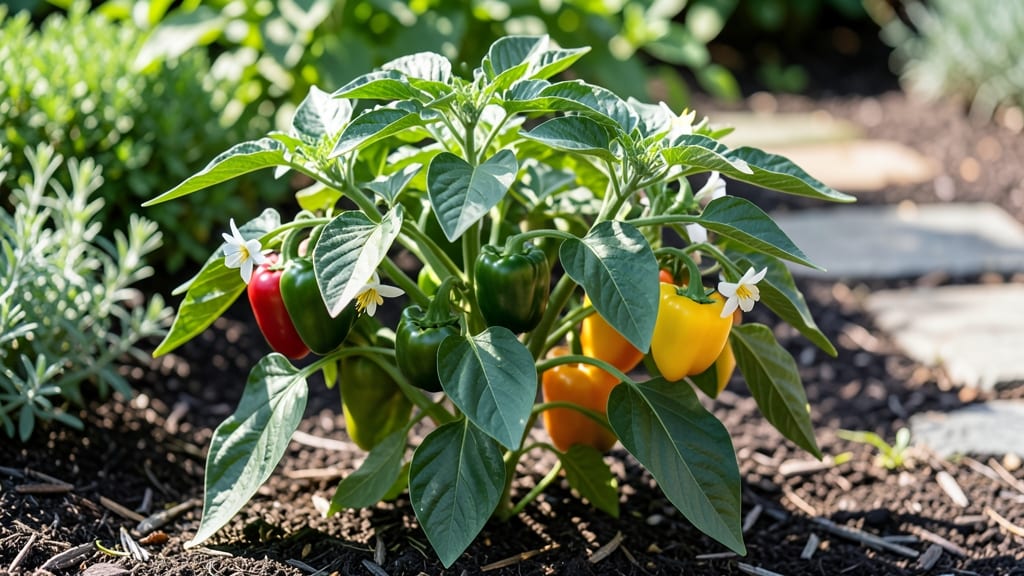
Pepper plants flower when they’ve reached 60–90 days of growth, though the exact timing depends on variety, warmth, and sunlight—miss this window, and your harvest could vanish before it starts.
Picture this: you’ve nurtured your 🌶️ seedlings for weeks, only to watch them throw out leaves instead of flowers. That’s not laziness—it’s biology. Peppers wait for the right cues: consistent warmth, long daylight, and the right nutrients before they bloom.
Without them, you’re stuck in a leafy limbo with no peppers in sight.
Here’s the good news: with the right timing, you can predict when your plants will flower down to the week. Whether you’re growing sweet bells or fiery jalapeños, knowing your climate zone and variety makes all the difference.
I’ll break down the exact stages so you can set your garden up for success.
You’ll learn how to spot the first signs of blooms, troubleshoot delays, and even tweak your care routine to coax flowers out faster. No more guessing—just a clear, step-by-step plan to turn your pepper plants into productive powerhouses.
Pepper plant flowering timeline by variety: sweet vs hot peppers
Understanding your pepper plant's flowering timeline starts with recognizing that sweet peppers and hot peppers behave differently. Bell peppers, for example, often flower 60-75 days after planting, while jalapeños and habaneros may take 70-90 days—sometimes longer in cooler climates.
These differences matter because flowering triggers fruit production, and missing this window can mean no harvest at all.
The key to predicting blooms lies in seedling age and variety-specific traits. Early-blooming varieties like Shishito peppers might flower in just 50-60 days, while late-maturing types such as Poblano or Cayenne can take 80-100 days.
Even within the same heat level, heirloom varieties often outpace commercial hybrids, which are bred for consistency over speed.
If you’re growing commercial hybrids, expect slightly earlier blooms than heirloom varieties because breeders optimize them for uniform flowering. For example, ‘California Wonder’ bell peppers often flower in 60-65 days, while ‘NuMex Big Jim’ (a hot pepper) may take 75-80 days.
This consistency makes hybrids ideal for large-scale gardens or short growing seasons.
One critical factor I can’t overstate is seedling age at transplant. If you start seeds indoors 8-10 weeks before your last frost date, most varieties will be ready to flower 2-4 weeks after transplanting.
For instance, a jalapeño seedling transplanted at 6 inches tall might flower in 30-40 days, while a habanero—which needs more warmth—could take 45-60 days.
For cool-climate gardeners, early-maturing varieties like ‘Early California Wonder’ or ‘Sweet Banana’ are lifesavers. These can flower in as few as 50 days and produce peppers before fall frosts strike.
Meanwhile, tropical varieties like ‘Scotch Bonnet’ or ‘Thai Chili’ may never flower in Zone 5 or colder unless you extend the season with row covers or greenhouses.
Watch for bud formation as your first clue that flowering is near. Tiny white or green buds appear in leaf axils (the angle between the stem and leaf). In bell peppers, these buds often turn yellowish-green before opening, while hot peppers may show pink or purple
Climate zone & temperature rules for triggering pepper flowers
Pepper plants are temperature-sensitive creatures, and their flowering timeline hinges on your local climate zone and daily highs. While most varieties thrive in warm weather (60–90°F), a sudden cold snap or short daylight hours can delay—or even halt—flowering entirely.
Understanding these rules helps you adjust care and avoid a leafy but fruitless plant.
In USDA Zones 9–11, where winters are mild, peppers often flower 6–8 weeks after transplanting if conditions are ideal. But in cooler Zones 5–8, flowering may take 10–12 weeks or longer, especially if nights dip below 55°F.
Daylight also plays a role: 12+ hours of sun triggers blooms faster than shorter days.
- 🌡️ 60–70°F (day) + 55–65°F (night): Optimal flowering for most varieties. Ideal for Zones 8–10.
- ☀️ 12+ hours of sunlight: Speeds up blooming by 2–3 weeks. Use grow lights in short-season zones.
- ❄️ Below 50°F: Stalls growth. Protect plants with row covers or move pots indoors.
- 🌬️ Humidity >70%: Encourages pollination but may cause bloom drop. Improve airflow.
- ⏳ Short-season zones (Zones 5–7): Start seeds indoors 8–10 weeks early to hit the 60°F soil mark by late spring.
If your peppers refuse to flower, check for nutrient imbalances—too much nitrogen (from fresh manure or over-fertilizing) pushes leafy growth at the expense of blooms. Switch to a low-nitrogen, high-phosphorus fertilizer (like 5-10-10) to boost flowering.
In long-season zones (Zones 9–11), peppers may flower year-round if temperatures stay warm, but winter cold snaps can shock plants. Use black plastic mulch to retain heat and extend the growing season by 2–4 weeks.
For short-season zones, prioritize early-maturing varieties like Early California Wonder or Sweet Banana.
Pro tip: Monitor your local weather patterns and adjust watering—consistent moisture (not soggy soil) keeps peppers stress-free and flower-ready. In drought-prone areas, drip irrigation maintains steady soil temps, which is key for triggering blooms.
Remember, peppers are sensitive to change, so gradual acclimation to outdoor temps (if starting indoors) prevents shock. With the right temperature management, your plants will bloom on schedule—and soon, you’ll be harvesting a bountiful crop! 🌱