
Companion Plants
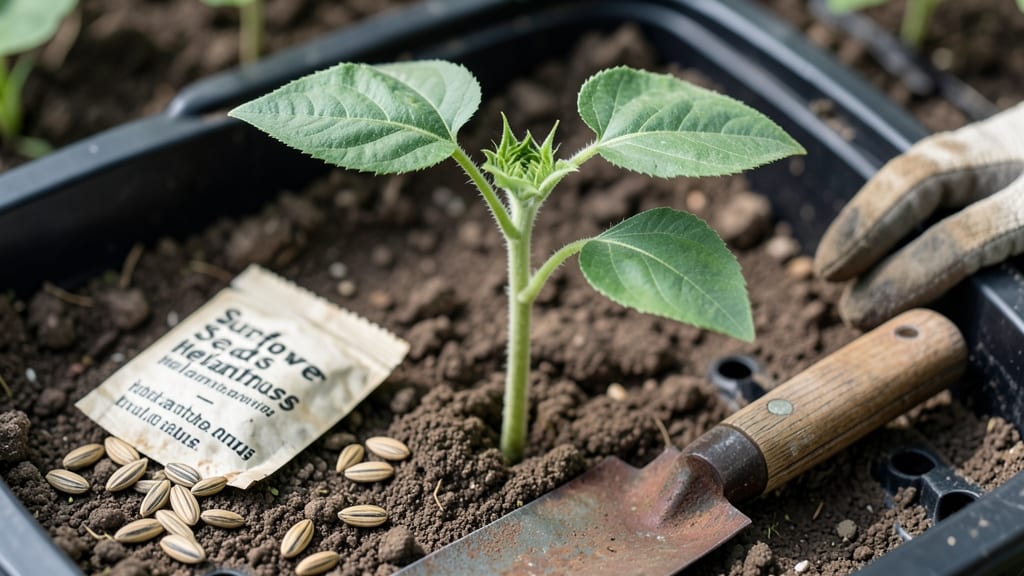
Plant sunflower seeds in Ohio between late April and mid-May 🌻 for the best chance at towering blooms and resilient stems.
Ohio’s unpredictable spring weather can turn your sunflower dreams into a gamble—unless you plant at the perfect time. Miss the window, and you risk stunted growth, bolting, or even no flowers at all.
With Ohio’s Zone 5-6 climate, timing is everything: sow too early, and frost will nip tender seedlings. Too late, and your sunflowers may bolt before reaching their full height.
Below, I break down the exact frost-free planting schedule, soil prep tips, and care tricks to ensure your sunflowers thrive from seed to towering bloom.
Ohio sunflower planting deadlines by week: avoid frost & bolting
Ohio’s Zone 5-6 climate means sunflowers need precise timing to avoid late frosts or bolting (premature flowering). The average last frost date falls around April 15, but soil temperature is the real key—wait until it hits 50°F (10°C) consistently.
Planting too early risks frost damage, while waiting too long can shorten your bloom season.
For direct sowing, aim for late April to mid-May—this gives sunflowers 90-120 days to mature before Ohio’s first frost (October 15). If you start seeds indoors, transplant 4-6 weeks before the last frost (early April). Starter plants need time to establish roots before summer heat arrives.
Here’s your week-by-week planting guide for Ohio, including soil temp thresholds and variety recommendations to maximize bloom time. Use this as your roadmap to avoid common pitfalls like stunted growth or misshapen heads.
| Week | Action | Soil Temp | Variety Notes |
|---|---|---|---|
| Late April (Week 1) | Direct sow early varieties (e.g., 'Teddy Bear'—50-60 days to maturity). | 50°F (10°C) | Best for longer bloom seasons; avoid if frost risk remains. |
| Early May (Week 2) | Direct sow mid-season (e.g., 'Moulin Rouge'—70-80 days). | 55°F (13°C) | Ideal for full summer blooms; tolerate heat better. |
| Mid-May (Week 3) | Direct sow late varieties (e.g., 'Autumn Beauty'—90-120 days). | 60°F (15°C) | Risk of bolting if planted too late; prioritize shorter varieties. |
| Early June (Week 4) | Sow dwarf varieties (e.g., 'Sunspot'—60 days) for fall blooms. | 65°F (18°C) | High bolting risk; limit to container gardens or shaded spots. |
If you’re using transplants, start seeds indoors 4-6 weeks before your target outdoor date (early April). Use biodegradable pots to minimize root disturbance. Harden off seedlings by placing them outdoors for 2-3 hours daily starting 10 days before transplanting.
Ohio’s northern regions (e.g., Toledo) may need to wait until mid-May due to later frosts, while southern areas (e.g., Cincinnati) can start as early as late April. Check your local Almanac frost dates and adjust by 1-2 weeks if your area is prone to late-season cold snaps.
After planting, ensure full sun exposure (6+ hours daily) and well-draining soil. Water deeply 1-2 times per week, focusing on the root zone to encourage strong stems. Mulch with straw or grass clippings to retain moisture and suppress weeds—critical for Ohio’s hot, dry summers.
For extended bloom seasons, stagger plantings every 2 weeks from late April through early June. This ensures continuous color from July through September, even if early plantings bolt.
Choose dwarf varieties for containers or small spaces, as they mature faster and are less likely to topple in Ohio’s windy conditions.
Watch for bolting signs: elongated stems or premature flower buds. If this happens, reduce watering slightly and provide afternoon shade to slow growth. Bolting is more common with late plantings or overcrowded seedlings, so thin to 12-18 inches apart for standard varieties.
Pro tip: Mark your planting dates on a garden calendar and track days to maturity for each variety. Ohio’s short growing season demands precision—don’t let your sunflowers become a seasonal afterthought! 🌻
How to adjust sunflower planting for Ohio’s microclimates (north vs. south)
Ohio’s geography creates distinct microclimates that can shift your sunflower planting window by weeks. Northern cities like Toledo often face later last-frost dates (mid-May) compared to southern cities like Cincinnati (early April). These differences mean your sunflower seeds might thrive in one region but struggle in another.
Elevation and urban heat islands also play roles. Areas like Columbus (700 ft elevation) warm faster than Youngstown (1,200 ft), while downtown Cincinnati’s concrete absorbs heat, creating a 2-3°F warmer microclimate than rural areas.
Adjusting your schedule by just 1-2 weeks can mean the difference between towering blooms and stunted plants.
Here’s how to fine-tune your planting: Check your local USDA Zone (5a-6b) and adjust dates based on your specific location. Urban gardeners should plant 1 week earlier than rural areas, while higher elevations may need to wait 10-14 days longer for soil to warm.
| Region | Last Frost Date | Ideal Planting Window | Adjustment for Urban Areas |
|---|---|---|---|
| Northern Ohio (Toledo, Cleveland) | Mid-May | Late May - Early June | Plant 1 week earlier |
| Central Ohio (Columbus, Dayton) | Early April | Mid-April - Late April | Plant 1 week earlier in cities |
| Southern Ohio (Cincinnati, Lexington) | Early April | Late March - Mid-April | Plant 1 week earlier in downtown areas |
| Appalachian Ohio (Youngstown, Akron) | Late May | Early June - Mid-June | No adjustment needed |
For late sowings, use this risk-assessment checklist before planting after June 1st: Check if your variety is heat-tolerant (e.g., ‘Autumn Beauty’), ensure 6+ hours of sunlight daily, and water deeply 2x/week. Late-planted sunflowers may not reach full height but can still produce edible seeds.
If you’re in a warmer microclimate, consider sowing dwarf varieties like ‘Teddy Bear’ (3-4 ft) for earlier harvests. These adapt better to shorter growing seasons and urban heat. Always monitor your plants for bolting (premature flowering) if temperatures spike above 85°F.
Pro tip: Use a soil thermometer to confirm 50°F+ soil temps before planting. Northern Ohio gardeners should wait until late May, while southern Ohioans can start as early as late March. Urban gardeners should plant 1 week earlier than rural guidelines suggest.