
Plants
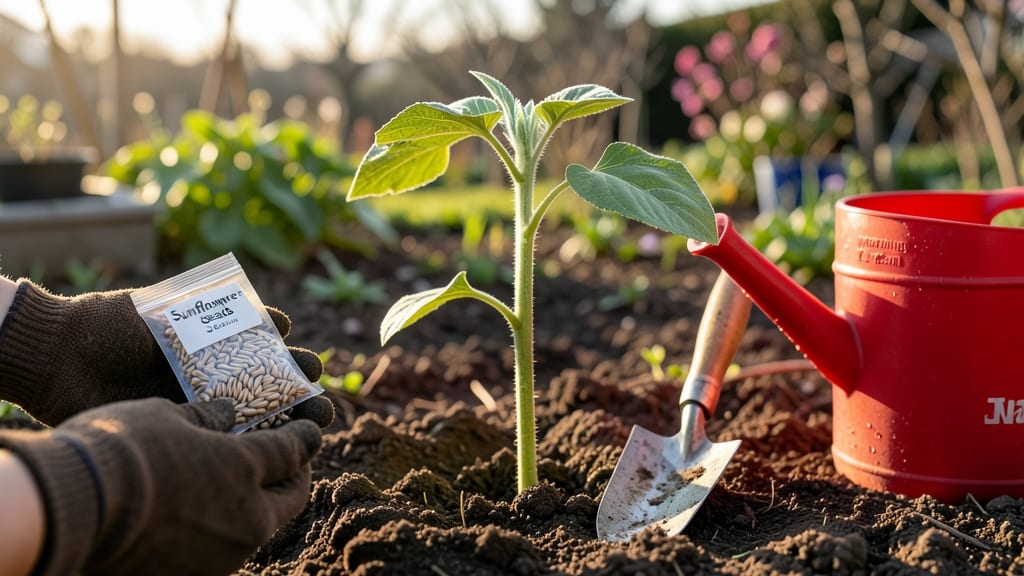
Planting sunflower seeds in Oklahoma means timing them for 60-90 frost-free days—a window that shifts from north to south but always hinges on soil warmth and last-frost dates.
Sunflowers bring vibrant color and joy to Oklahoma gardens—but planting them at the wrong time can mean wilted dreams before they even bloom. Timing is everything, especially in USDA Zone 7a where frost still lingers into spring.
Most of Oklahoma sees its last frost between March 15 and April 1, but soil needs to hit 50°F before seeds go in. That’s why mid-April to early July is your sweet spot for direct sowing, though fall varieties can stretch the season.
Below, I’ll break down the exact dates by region, soil prep tips to speed up germination, and how to pick varieties that thrive in Oklahoma’s heat—plus what to do if a late freeze sneaks in.
Oklahoma sunflower planting calendar: exact dates for USDA Zone 7a success
Timing your sunflower seeds correctly in Oklahoma’s USDA Zone 7a means the difference between towering 10-foot giants and sad, stunted plants. The key? Planting after the average last frost date—typically mid-April in Oklahoma City—but with flexibility for late frosts that can linger until May 1 in northern areas.
I’ve planted sunflowers for years in this zone, and I’ve learned that soil temperature matters just as much as calendar dates.
Sunflowers thrive when soil reaches 50°F (10°C), which usually happens by late April in most of Oklahoma. If you’re in Tulsa or southern Oklahoma, you might start as early as mid-April, while northwest Oklahoma gardeners should wait until early May to avoid frost damage.
My rule of thumb? Wait until nighttime temperatures stay above 55°F (13°C) consistently.
| Region | Last Frost Date | Ideal Planting Window | Soil Temp Requirement | Maturity Zone Notes |
|---|---|---|---|---|
| Oklahoma City | April 15 | April 20 - May 15 | 50°F (10°C) | Zone 7a; late frosts possible |
| Tulsa | April 1 | April 10 - May 10 | 50°F (10°C) | Zone 7b; warmer microclimates |
| Northwest OK (Altus) | May 1 | May 10 - June 1 | 55°F (13°C) | Zone 7a; cooler nights |
| Southern OK (Lawton) | March 25 | April 5 - April 30 | 50°F (10°C) | Zone 7b-8a; earlier frost-free |
| Fall Planting (All Regions) | N/A | July 15 - August 15 | 60°F (16°C) | For late-season blooms; harvest before frost |
For spring planting, aim to sow seeds 2-3 weeks after your last frost date. In Oklahoma City, that’s typically April 20-May 15. If you’re growing tall varieties like Mammoth, plant earlier to give them enough time to mature before first frost (usually November 15).
I’ve had success with dwarf varieties like Teddy Bear planted as late as June 1, but they’ll bloom smaller.
Don’t overlook fall planting—it’s a great way to extend your sunflower season. Plant seeds July 15-August 15 for late summer blooms. These sunflowers will mature just in time for fall festivals and birdseed before frost hits. Just ensure they have 80-100 days to maturity before your first frost date.
Pro tip: Use black plastic mulch to warm soil faster in early spring. I’ve seen it raise soil temperatures by 5-10°F, letting me plant sunflowers 2 weeks earlier without frost risk. Pair this with row covers for extra protection if late frosts are forecasted.
Sunflowers need 6-8 hours of sunlight daily, so choose a south-facing location with no shade from trees or buildings. In Oklahoma’s intense summer sun, afternoon shade can actually help prevent bolting (premature flowering).
My shade-tolerant varieties like ‘Autumn Beauty’ perform well with 4-6 hours of sun if given consistent moisture.
Water deeply 1-2 times per week once established, but focus on consistent moisture during germination. Let the top 1-2 inches of soil dry between waterings to prevent rot.
I’ve found that drip irrigation works best—it keeps leaves dry and reduces fungal diseases like powdery mildew, which is common in Oklahoma’s humid summers.
For container growing, use pots at least 12 inches deep and plant 1 seed per container. These sunflowers will mature 1-2 weeks later than in-ground plants, so adjust your planting timeline accordingly.
I’ve grown ProCut varieties in 5-gallon buckets with great success—just ensure they get full sun and regular fertilization.
Remember: Oklahoma’s weather is unpredictable. Keep an eye on 10-day forecasts and be ready to cover seedlings if frost is predicted.
With the right timing and care, your sunflowers will reward you with vibrant blooms that attract pollinators and brighten up any garden—no matter where you are in the state. 🌻
How to adjust sunflower planting for Oklahoma’s unpredictable weather patterns
Oklahoma’s weather can be as unpredictable as a summer storm—one day it’s 60°F and sunny, the next it’s 30°F with frost warnings. Sunflowers, while hardy, need consistent warmth to thrive, making timing and preparation critical.
If you’ve ever watched your sunflower seedlings shrivel after a surprise frost or bolt in the heat, you know firsthand how quickly things can go wrong.
To beat Oklahoma’s unpredictable climate, I’ve learned to use a multi-layered approach: soil warming, protective mulching, and flexible planting windows. These strategies help me extend the growing season and give my sunflowers the best shot at reaching their full 10-foot glory.
Let’s break down how to adapt your planting schedule and care routine for Oklahoma’s whims.
Oklahoma’s last frost typically arrives March 15-April 1, but late frosts can hit as late as April 15. Planting sunflower seeds too early risks frost damage to young seedlings. Wait until soil temps reach 50°F (10°C) and nighttime lows stay above 40°F (4°C)—use a soil thermometer to confirm.
Pro Tip: If frost threatens after planting, cover seedlings with frost cloth or a clear plastic bottle for temporary protection.
Start by preparing your soil for warmth. Oklahoma’s clay-heavy soils retain cold longer, so I always amend mine with compost or aged manure to improve drainage and warmth retention.
A week before planting, spread a 2-inch layer of black plastic mulch over the soil to absorb sunlight and raise ground temperatures by 5-10°F. This trick helps me plant sunflowers 2-3 weeks earlier than the standard mid-April timeline.
For extra insurance against late frosts, I use row covers or cloche tunnels over newly planted seeds. These create a microclimate that can delay frost damage by 1-2 weeks. Once seedlings reach 4-6 inches tall, they’re tough enough to handle Oklahoma’s spring temperature swings.
Remove covers during the day to prevent overheating and replace them at night if frost is forecasted.
Heatwaves are another Oklahoma challenge, especially for sunflowers planted in late May or June. To prevent bolting or sunburn, I focus on deep, infrequent watering—aim for 1-2 gallons per plant every 3-5 days—and use straw mulch to keep roots cool.
Shade cloth (30% coverage) can also protect young plants during 100°F+ days, though sunflowers generally love the heat once established.
If you miss the spring planting window, don’t despair! Oklahoma’s short growing season allows for a second planting in early July for late-summer blooms. Choose fast-maturing varieties like ‘ProCut’ (50-60 days) or ‘Autumn Beauty’ (55-65 days) to ensure flowers open before the first frost in November.
These varieties also handle Oklahoma’s drought conditions better than giant types.
Finally, keep an eye on your local extended forecast. Oklahoma’s weather patterns are shifting, and what worked last year might not this year.
By combining soil prep, protective mulching, and flexible planting dates, you’ll give your sunflowers the best chance to thrive—no matter what Mother Nature throws their way. 🌻