
Plants
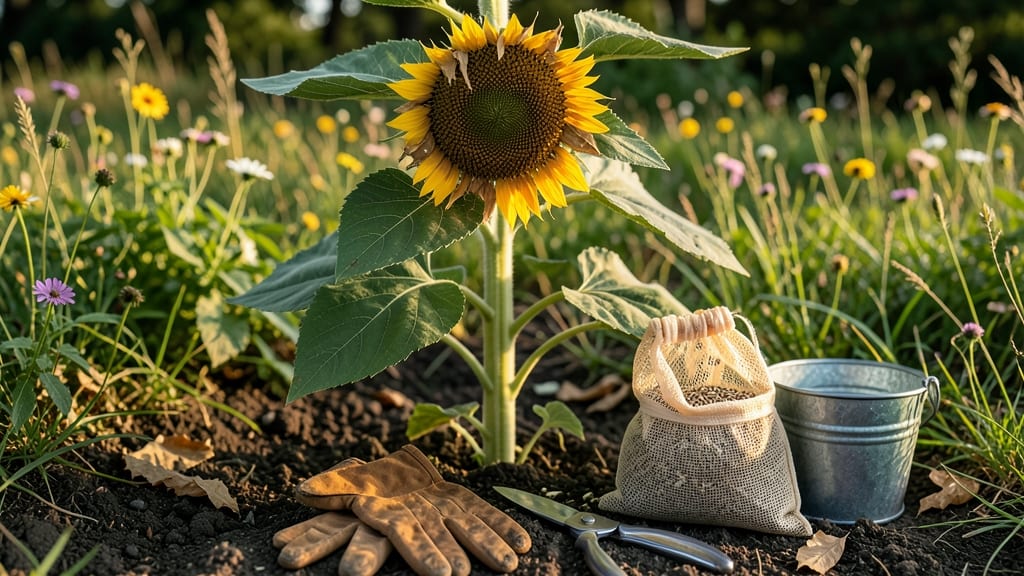
Harvesting sunflower seeds from plants at the right time ensures plump, flavorful seeds that store perfectly for months.
Picture this: you’ve nurtured your 🌻 sunflowers all season, only to open the seed head and find shriveled, bitter seeds—disappointment in seed form. The difference between perfect seeds and wasted effort often comes down to timing, and missing the window by even a few days can ruin your harvest.
In USDA Zone 6a, where frost typically arrives by mid-November, the ideal harvest window falls between late September and early October. But don’t rely on the calendar alone—watch for key visual cues like dry, brown petals and a papery seed head.
These signs tell you the seeds are ready to pick before they scatter or spoil.
Below, I’ll walk you through the three foolproof signs your sunflower seeds are harvest-ready, plus how to test them for ripeness and store them for long-term use. No more guesswork—just perfect seeds every time.


3 Visual signs your sunflower seeds are ready for harvesting
Harvesting sunflower seeds at the right time ensures they're plump, flavorful, and perfect for storage. Many gardeners mistakenly pick seeds too early, resulting in bitter, shriveled disappointment. The key lies in watching for three visual cues that signal your sunflowers are ready.
These signs are subtle but unmistakable once you know what to look for.
First, pay attention to the petal changes. When sunflowers are ready for harvest, their vibrant yellow petals will begin to dry out and fall off, leaving behind a brown, papery base.
This transformation is your first clear indicator that the seeds inside are maturing. Ignoring this sign often leads to harvesting seeds that haven't fully developed their rich flavor.
Next, focus on the seed head firmness. A ripe sunflower seed head should feel dry and papery to the touch, almost like crumpling tissue paper. If you press gently and the head feels moist or green, the seeds aren't ready yet.
This tactile test is one of the most reliable ways to avoid premature harvesting and ensure you're picking seeds at their peak.
Finally, observe the seed color through the back of the flower head. When seeds are fully ripe, they'll turn a deep, uniform brown color. You can often see this through the papery bracts at the back of the head.
This final visual cue confirms that the seeds are ready to be harvested and stored for future planting or snacking.
Look for brown, papery petals that have fallen away. This reveals the seed head's back, signaling ripeness.
Gently squeeze the seed head. If it feels light and dry like tissue paper, seeds are ready. Avoid harvesting if it feels moist or green.
Hold the head over a paper bag and shake gently. A loud rattle means seeds are loose and ripe. No sound? Wait a few more days.
Harvest on a dry, sunny morning to prevent moisture from spoiling seeds during drying.
Timing is everything when harvesting sunflower seeds. If you miss these visual cues, you risk harvesting seeds that are either too green (underdeveloped) or too dry (bitter). For example, seeds harvested when the petals are still partially green will lack the rich, nutty flavor that makes sunflower seeds so enjoyable.
On the other hand, leaving seeds on the plant too long can lead to them cracking open or attracting pests like birds and squirrels.
Regional considerations also play a role. In cooler climates, like USDA Zone 6a, sunflowers may mature earlier due to shorter growing seasons. Pay close attention to the first frost date (typically around November 15 in many regions) and harvest seeds at least 2 weeks before frost to avoid damage.
In warmer climates, seeds may take longer to mature, so monitor the visual cues closely even if the season extends.
Once you've identified these three signs, act quickly to harvest your seeds. Use a clean, sharp knife or pruners to cut the seed head from the stem, leaving a few inches of stem attached.
This makes handling easier and prevents seeds from scattering. After harvesting, lay the seed heads on a dry, well-ventilated surface in a warm, sunny spot to dry completely before storing.
Don't overlook the importance of post-harvest drying. Even if seeds look ripe, they need 1-2 weeks of drying time to reach optimal storage quality. Place the heads in a paper bag or hang them upside down in a dry, dark place to finish drying.
This step is crucial for preventing mold and ensuring your seeds stay viable for planting next season.
By mastering these three visual signs, you'll never again wonder when to harvest sunflower seeds. The combination of dry petals, papery seed heads, and deep brown seeds provides a foolproof guide to the perfect harvest window.
With practice, you'll develop an instinct for spotting these cues, making sunflower seed harvesting a breeze each season.
How to test sunflower seed ripeness: the squeeze and tap method
Harvesting sunflower seeds at the wrong time can leave you with shriveled, bitter seeds that won’t store well. The squeeze and tap method gives you a foolproof way to test ripeness without guessing.
This tactile approach combines visual cues with simple physical tests to ensure you pick seeds at their peak—when they’re plump, flavorful, and ready for storage.
Most gardeners focus on petal color or seed head appearance, but these signs can be misleading if the seeds aren’t fully mature inside. The squeeze test checks internal dryness, while the tap method reveals seed development.
Together, they eliminate the risk of harvesting too early or too late, both of which ruin seed quality.
- 1 Gently tap the seed head with your knuckles. If seeds rattle loudly inside, they’re ready. A dull thud means they need more time.
- 2 Squeeze the back of the head between your thumb and forefinger. It should feel dry and papery, not moist or green. Press firmly—if it gives slightly, the seeds are still developing.
- 3 Check for seed color. Mature seeds turn deep brown or black. If they’re still white or light tan, wait 3–5 days and retest. Overripe seeds (gray or shriveled) won’t store well.
- 4 Confirm petal status. All yellow petals should have fallen off naturally, leaving only the dry seed head. If petals linger, the seeds aren’t ready yet.
- 5 Harvest on a dry day. Cut the seed head with 6–12 inches of stem attached. Hang it upside down in a well-ventilated spot for 1–2 weeks to dry completely before shelling.
Pro tip: Test multiple seed heads from the same plant—they often ripen at slightly different times. If you’re in a cooler climate (USDA Zone 5 or below), harvest earlier to avoid early frost, which can damage heads before seeds mature.
Once you master these tactile tests, you’ll never guess again. The squeeze and tap method works for all sunflower varieties, from towering giant varieties to compact dwarf types. Just remember: patience pays off with seeds that store beautifully for months.
For extra assurance, harvest a few test seeds early and taste them. If they’re still bitter or hard, wait another week before harvesting the rest. This simple check ensures you’re ready to enjoy homegrown sunflower seeds all winter long! 🌻