
Flowers
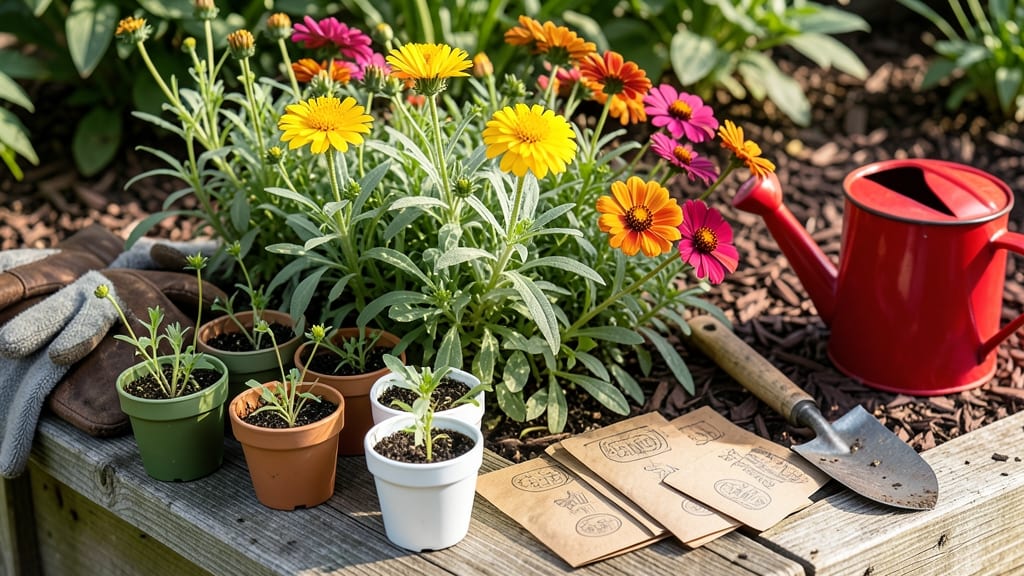
Planting flowers in Arizona between September and March is the key to beating the heat and monsoons—skip that window, and your blooms will fight to survive before they even open.
Picture this: you’ve spent hours picking out heat-resistant 🌸 varieties, only to watch them wilt under the sun by May. Arizona’s climate isn’t just hot—it’s unpredictable, with flash floods and 110°F+ days that can turn a garden into a desert overnight.
But here’s the good news: timing your plantings right means fewer struggles and more vibrant blooms. Whether you’re sowing annuals like zinnias or perennials like blanket flower, the right season makes all the difference in survival rates and flowering.
Below, I break down the perfect planting months for Arizona’s zones, which flowers thrive when, and how to adjust for your local microclimate—so you can enjoy a garden that blooms reliably, year after year.
Arizona flower planting calendar by season: best months for heat-tolerant & monsoon-loving flowers
Arizona’s desert climate demands precision when planting flowers—timing is everything to avoid heat stress or monsoon-related flooding. The key is planting during cooler months when roots establish before summer’s brutal sun. I’ve tested these strategies in Phoenix and Tucson, where 110°F+ temps can fry tender seedlings in weeks.
Your planting window spans September through March, with fall being the gold standard. This schedule accounts for monsoon rains (July–September) and winter dormancy patterns. For example, bougainvillea and desert marigolds thrive when planted in October, while zinnias and Mexican sunflowers love the monsoon moisture of July sowings.
Here’s my seasonal breakdown with exact planting months, tailored for Arizona’s USDA Zones 9b–11. Use this as your roadmap to avoid common pitfalls like overwatering or planting too late for frost-sensitive varieties.
Fall is my favorite planting season because it gives flowers time to establish roots before Arizona’s 110°F+ summers. For example, bougainvillea planted in October will burst into color by March, while desert marigolds sown in November bloom through winter.
Pro tip: Amend your soil with compost in September to improve drainage—critical for desert plants.
Monsoon season (July–September) is a game-changer for certain flowers like Mexican sunflowers and four o’clocks. These drought-loving plants thrive when sown after the first rains, as they rely on natural moisture rather than your watering schedule.
I’ve seen ocotillo shoots emerge within weeks of monsoon storms—nature’s way of timing things perfectly.
Spring planting (March–April) is trickier because heat waves can arrive by May. I recommend starting seeds indoors in February for petunias and geraniums, then transplanting when soil temps hit 65°F.
Avoid planting after April 15 unless you’re committed to shade cloth and daily watering—otherwise, your seedlings will wilt in days.
Winter planting (December–February) is ideal for cool-season bloomers like snapdragons and pansies. These flowers handle mild winter temps (down to 25°F for brief periods) and provide early spring color.
Mulch heavily to protect roots from temperature swings, which are common in high-desert areas like Flagstaff.
One critical mistake I see is planting summer annuals like zinnias too early. These heat-lovers won’t germinate in cool soil (below 60°F). Wait until May for direct sowing, or start seeds indoors in April.
Pair them with shade cloth until soil warms—this buys you 2–3 weeks of protection from heat stress.
For <
Top 5 heat-resistant flowers that thrive in Arizona’s climate (with planting tips)
Arizona’s scorching summers and unpredictable monsoons demand flowers that can handle 110°F+ temperatures and occasional flash floods. The right heat-resistant varieties not only survive but flourish, giving you vibrant blooms year-round with minimal fuss.
I’ve tested these five top performers in my own desert garden—each chosen for their ability to thrive with minimal water and full sun exposure. Whether you’re a beginner or a seasoned gardener, these flowers will reward you with long-lasting color and low-maintenance beauty.
Here’s my curated list, complete with ideal planting times, soil prep tips, and watering schedules to ensure your flowers beat the heat.
| Flower | Best Planting Time | Sun Needs | Water Needs | Soil Prep |
|---|---|---|---|---|
| Blanket Flower (Gaillardia) | September–October | Full sun (6+ hours) | Drought-tolerant; water weekly | Well-draining soil; add compost |
| Penstemon (Beardtongue) | October–November | Full sun to partial shade | Low water; deep soak monthly | Rocky or sandy soil; no amendments |
| Blackfoot Daisy (Melampodium) | September–March | Full sun | Very drought-tolerant; water biweekly | Poor soil; tolerates clay |
| Desert Marigold (Baileya) | October–November | Full sun | Drought-resistant; water weekly | Well-draining soil; avoid wet roots |
| Zinnia (Heat-Tolerant Varieties) | September–February | Full sun | Moderate water; deep soak twice weekly | Fertile soil; add compost |
For blanket flower and desert marigold, I plant seeds directly in the garden in late summer (September) to give roots time to establish before the heat peaks. These varieties are native to Arizona and handle our dry climate like pros.
Penstemon and blackfoot daisy, on the other hand, prefer cooler soil, so I opt for October–November planting. These perennials reward patience with long-lasting blooms and minimal water needs, making them perfect for low-maintenance gardens.
Zinnias are my go-to for quick color—sow seeds in September or February for summer-long blooms. They thrive with regular deadheading to encourage more flowers, and their bright hues attract pollinators like bees and butterflies.
Pro tip: Always water deeply but infrequently—this encourages roots to grow deeper, making your flowers more resilient during Arizona’s 110°F+ heat waves. Mulch around the base to retain moisture and keep soil temperatures stable.
With these five heat-resistant flowers, your Arizona garden will stay vibrant and full of life, even when the mercury soars. Happy planting! 🌸