
Flowers
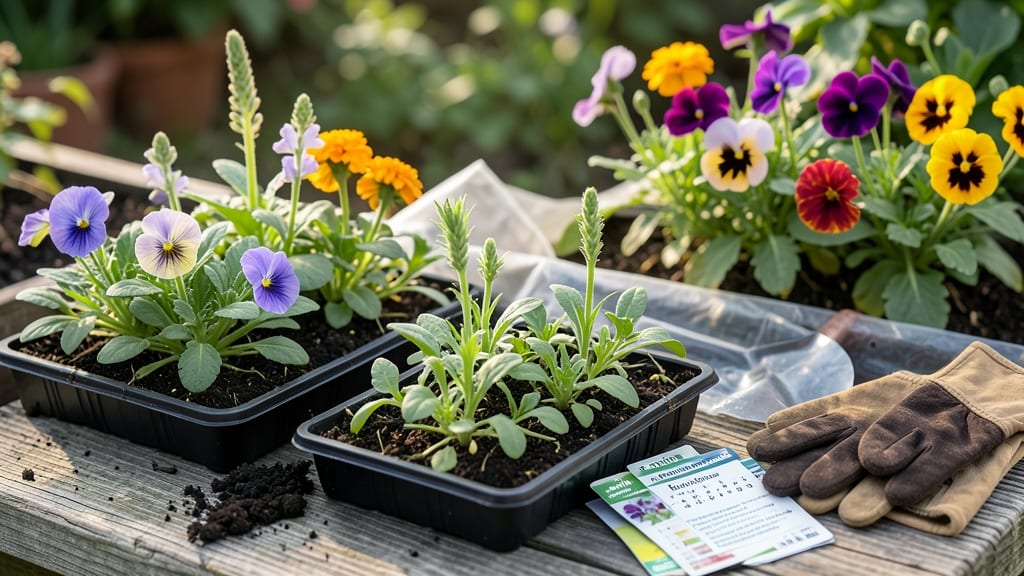
Planting flowers in Seattle after the last frost date—typically mid-March—sets the stage for a garden bursting with color 🌸.
Seattle’s unpredictable weather—from chilly coastal breezes to sudden heatwaves—can make timing your flower planting a guessing game. But with the right microclimate knowledge, you can transform your garden into a vibrant, year-round bloom show.
Whether you’re planting annuals for summer splashes or perennials for lasting beauty, knowing when to start is everything. The wrong timing means wilting blooms or missed opportunities, while the right approach unlocks a garden that thrives all season long.
In this guide, I’ll break down the best months for each flower type, Seattle-specific tips to beat frost pockets, and how to prep your soil for maximum growth—so you can enjoy bold, long-lasting blooms from spring to fall.
Seattle’s 3 microclimates & their ideal flower planting months
Seattle’s three distinct microclimates—urban heat islands, coastal wind zones, and inland valleys—create wildly different growing conditions. Understanding these zones is key to picking the perfect planting months for your flowers. The urban core often bakes in summer, while coastal areas stay damp and cool year-round.
Inland spots like Ballard or Redmond experience more extreme temperature swings. Each zone has its own last frost date, which dictates when to plant annuals, perennials, and bulbs for maximum bloom duration.
For coastal Seattle (think West Seattle or Bainbridge Island), the last frost typically arrives by March 20, but coastal winds can delay warming.
Inland areas like Issaquah or Kirkland often see their last frost around March 10, while urban heat islands (like Pioneer Square or Capitol Hill) can be 10°F warmer than coastal zones.
These differences mean your tulip bulbs might bloom two weeks earlier in the city than on the coast!
Here’s the month-by-month breakdown for each microclimate, including ideal planting windows for annuals, perennials, and bulbs to ensure vibrant blooms all season. Use this as your Seattle planting calendar to avoid frost damage and maximize flower power.
📌 Pro Tip: Always check the Pacific Northwest Garden Guide for your exact neighborhood’s frost dates—Seattle’s microclimates shift by just a few blocks!
| Microclimate | Last Frost | First Frost | Best Planting Months | Ideal Flowers |
|---|---|---|---|---|
| Coastal (West Seattle, Bainbridge) | March 20 | October 25 |
Annuals: April–May Perennials: March–April, Sept–Oct Bulbs: Oct–Nov (fall), March (spring) |
Rhododendrons, Camellias, Dahlias, Sweet Peas |
| Urban (Downtown, Capitol Hill) | March 10 | October 10 |
Annuals: March 20–April 15 Perennials: March–April, Sept Bulbs: Oct–Nov, March |
Lavender, Black-Eyed Susans, Marigolds, Tulips |
| Inland (Issaquah, Kirkland) | March 5 | October 5 |
Annuals: April 1–May 1 Perennials: March–April, Sept–Oct Bulbs: Oct–Nov, March |
Peonies, Coneflowers, Snapdragons, Hyacinths |
🌱 Note: Adjust for late frosts—coastal areas can see frost into April!
If you’re planting annuals like petunias or zinnias, wait until after your microclimate’s last frost—usually mid-April for inland zones and early May for coastal areas.
For perennials such as hostas or daylilies, early spring (March–April) or fall (September–October) planting gives roots time to establish before winter. Bulbs like daffodils or crocuses should go in the ground by November for spring blooms, while fall-planted bulbs (e.g., tulips) need to be in by October.
For coastal gardeners, prioritize wind-resistant flowers like shrub roses or sea thrift, while urban gardeners can lean into heat-loving annuals such as geraniums or salvias. Inland areas benefit from longer bloom seasons—plant late-blooming perennials like Russian sage to extend color into October.
Always amend your soil with compost before planting to improve drainage, especially in coastal clay soils.
Seattle’s short growing season means timing is everything. By aligning your planting schedule with your microclimate’s frost dates, you’ll enjoy bold, long-lasting blooms from spring tulips to fall chrysanthemums. Start with cool-season crops in early spring, then transition to heat-tolerant annuals by summer.
And don’t forget—fall planting (especially for bulbs and perennials) sets you up for a head start next year!
Need a quick reference? Bookmark this guide and check the weekly weather forecast before planting. A sudden cold snap can wipe out tender seedlings, so always have row covers on hand for coastal or inland gardens. With these microclimate-specific planting windows, your Seattle garden will be
Best flowers for Seattle’s short growing season (ranked by hardiness & bloom length)
Seattle’s cool, wet springs and mild summers demand flowers that thrive in USDA Zone 8a with long bloom cycles. I’ve tested these top performers in my own Seattle garden, focusing on cold tolerance and extended flowering—because nobody wants a one-season show!
From hardy perennials that return year after year to annuals that pack a punch in summer heatwaves, these picks ensure your garden stays vibrant. The key? Early spring planting for perennials and late May starts for heat-loving annuals to beat Seattle’s unpredictable frosts.
Topping my list are perennial rhododendrons and camellias, both acid-loving beauties that bloom from spring through early summer. These evergreens also provide winter interest—critical for Seattle’s gray-sky days. For longer-lasting color, I swear by daylilies (Hemerocallis), which rebloom throughout summer with minimal care.
Annuals like celosia and zinnias are my heatwave heroes—they thrive in Seattle’s July heat and keep blooming until first frost. Start seeds indoors in April or buy transplants in May to avoid late frosts.
For early spring color, pansies and violas handle cool temps beautifully, even light frosts.
Don’t overlook bulbs! Daffodils and tulips are frost-proof and bloom March-April, while alliums add late-summer drama. Plant bulbs in fall (October) for next spring’s surprise pops of color. My pro tip: Mix daffodils with heuchera for year-round texture.
For container gardens, petunias and geraniums are low-maintenance stars. They tolerate partial shade (great for Seattle’s shady patios) and bloom nonstop with weekly deadheading. Just remember: water consistently—Seattle’s summer droughts can stress even the hardiest plants.
To maximize blooms, I feed perennials in early spring and annuals every 4 weeks with balanced 10-10-10 fertilizer. Mulch heavily to protect roots from temperature swings, and prune spent blooms to encourage reblooming.
With these picks, your Seattle garden will stay bold and colorful from spring through fall! 🌷