
Flowers
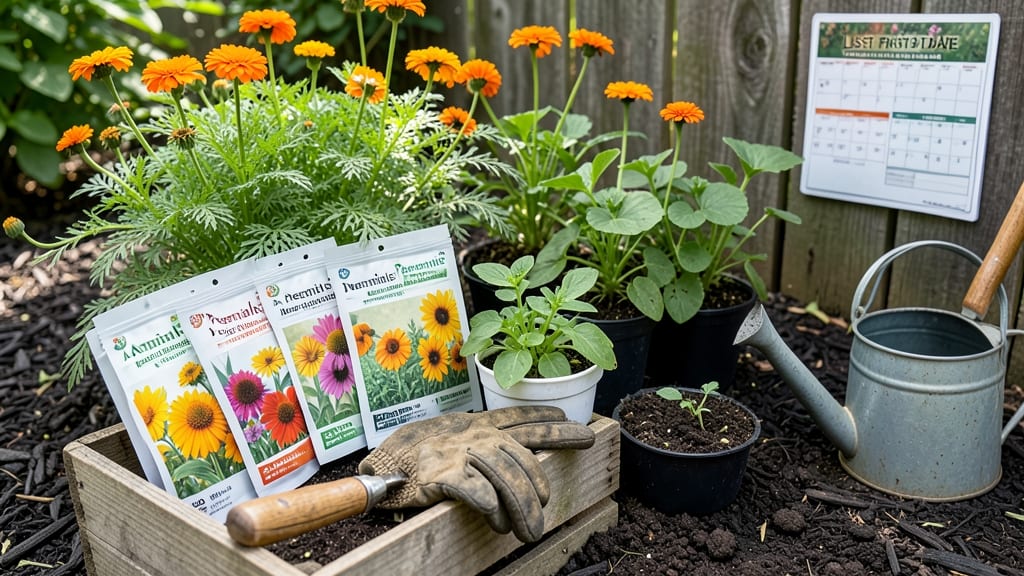
Planting flowers in Maryland at the right time means the difference between a garden full of vibrant blooms and one that struggles to take off.
Timing is everything—especially when you’re working with Maryland’s 7a-8a zones and unpredictable spring frosts. Get it wrong, and you might end up with wilted seedlings or flowers that bloom too late for their prime. But nail the schedule, and you’ll enjoy longer seasons of color with less guesswork.
Whether you’re sowing annuals in spring or planting perennials in fall, the key is knowing when the soil warms, when the last frost passes, and which flowers thrive in Maryland’s climate. I’ll break down the exact months for each USDA zone, plus the best varieties to plant for year-round blooms.
Ready to transform your garden? Here’s how to time your plantings for peak blooms without the trial and error.
Maryland flower planting calendar by USDA Zone (5b, 6a, 7a)
Maryland’s USDA zones 5b, 6a, and 7a create distinct planting windows—especially when it comes to frost-sensitive flowers. In Zone 5b (northern MD like Frederick), last frosts can linger until mid-April, while Zone 7a (southern MD like Baltimore) often sees frost-free soil by early April.
These differences mean your timing should shift by 2-3 weeks depending on where you garden.
For all zones, soil temperature is the real game-changer. Most flowers need soil at 50°F+ to germinate, while cool-season blooms like pansies tolerate 40°F. I’ll break down the exact months for annuals, perennials, and bulbs—plus how to adjust for Maryland’s humid summers and unpredictable springs.
| Zone/Month | Annuals | Perennials | Bulbs | Soil Temp |
|---|---|---|---|---|
| 5b (Mar) | Cool-season: Pansies, Snapdragons (after frost) | Divide perennials (Mar) | Tulips, Daffodils (Oct-Nov) | 40-50°F |
| 5b (Apr) | Warm-season: Marigolds, Zinnias (after last frost) | Plant hardy perennials (Apr-May) | Crocus (fall-planted) | 50-60°F |
| 6a/7a (Mar) | Cool-season: Calendula, Stock (Feb-Mar) | Prune perennials (early Mar) | Hyacinths (Oct-Nov) | 45-55°F |
| 6a/7a (Apr) | Warm-season: Petunias, Geraniums (Mar-Apr) | Plant peonies, daylilies (Apr) | Daffodils (fall-planted) | 55-65°F |
| All Zones (May) | Direct-sow cosmos, sunflowers | Fertilize established perennials | None (spring bulbs bloom) | 60-70°F |
| All Zones (Aug-Sep) | Fall annuals: Pansies, Sweet Alyssum | Divide overgrown perennials | Plant tulips, daffodils | 50-60°F |
*Adjust for microclimates: Valleys frost later; slopes warm faster.
In Zone 5b, I recommend starting cool-season annuals like pansies indoors by February—they’ll bloom by spring. For Zone 6a/7a, you can sow directly in late February to March for early color. The key is avoiding late spring frosts, which can hit as late as mid-A
Best flowers to plant in Maryland by season (cool vs. warm season)
Maryland’s varying seasons and humid summers create perfect conditions for a diverse flower garden, but choosing the right blooms for each season is key. Cool-season flowers like pansies and snapdragons thrive in spring and fall, while sunflowers and zinnias shine in summer’s heat.
I’ve curated the best options for each season, including native species and drought-tolerant varieties that flourish in Maryland’s USDA zones 7a-8a.
For spring planting, focus on cool-hardy annuals and perennials that tolerate light frosts. Summer demands heat-loving blooms with deep roots to handle humidity, while fall offers a second chance for cool-season favorites before winter. I’ll also highlight shade-tolerant options for those tricky spots under trees.
🌱 Spring Planting (March–May)
- 🌼 Pansies & Violas – Cool-season bloomers; plant March–April for early color.
- 🌷 Sweet Alyssum – Drought-resistant; sows March–May for buttery yellow clusters.
- 🌸 Tulips & Daffodils – Bulbs planted October–November bloom April–May.
- 🌿 Native Bloodroot – Shade-tolerant; plant March–April for wildflower charm.
☀️ Summer Planting (June–August)
- 🌻 Sunflowers – Heat-loving; sow May–June for bold summer statements.
- 🌺 Zinnias – Drought-tolerant; plant April–July for long-lasting blooms.
- 🌼 Black-Eyed Susans – Native perennial; plant spring or fall for golden summer color.
- 🌿 Coneflowers – Pollinator magnet; sow March–June for late-summer blooms.
🍂 Fall Planting (August–October)
- 🌼 Snapdragons – Cool-season; sow August–September for fall/winter color.
- 🌿 Native Goldenrod – Drought-resistant; plant spring or fall for late-season blooms.
- 🌸 Chrysanthemums – Hardy annuals; sow July–August for fall festivals.
- 🌿 Shade-Loving Hosta – Perennial; plant spring or fall for foliage interest.
Maryland’s humid summers can stress delicate blooms, so prioritize drought-resistant varieties like zinnias or coneflowers. For shady spots, hostas and heucheras add texture without sun. I recommend native species like black-eyed Susans to support local pollinators while requiring minimal care.
Pro tip: Deadhead spent blooms in summer to encourage longer flowering. In fall, mulch perennials to protect roots before winter. With this seasonal lineup, your Maryland garden will burst with color from spring to frost—no gaps in between!
🌸