
Flowers
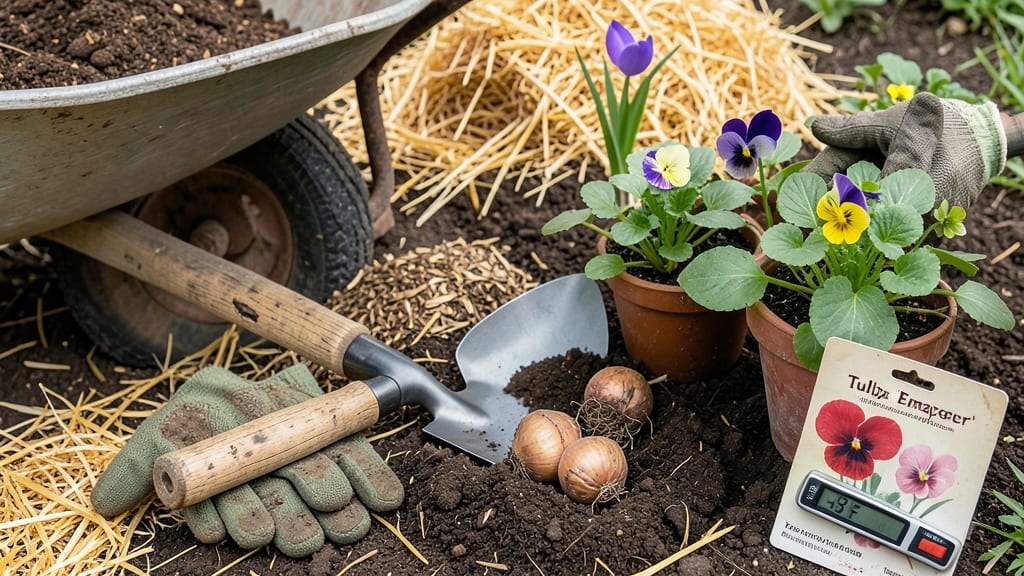
The best time to plant flowers in Michigan is after your last frost in spring and again in early fall, when soil temps hover around 50°F—a window that separates thriving blooms from frost-killed dreams.
Michigan’s unpredictable springs and harsh winters can turn flower gardening into a guessing game—but timing your plantings right ensures vibrant blooms all season long.
Whether you’re a first-time gardener or a seasoned pro, knowing exactly when to plant flowers in Zone 5 and 6 is the key to avoiding frost damage and maximizing your garden’s potential.
For annuals like petunias and marigolds, wait until mid-May in most of the state, while hardy perennials like coneflowers can handle cooler soil and may go in as early as late April.
Fall planting? Aim for late August to early September, giving bulbs and perennials time to root before the ground freezes.
Below, I’ll break down the exact frost-free calendar for your region, plus pro tips to stretch Michigan’s short growing season—so you can enjoy peak blooms from spring to frost.
Michigan’s frost-free planting calendar: exact dates for annuals, perennials, and bulbs by Zone 5 & 6
Michigan’s Zone 5 and 6 climates demand precision when planting flowers. The last frost dates vary dramatically across cities like Detroit (May 10), Grand Rapids (May 15), and Traverse City (May 5), while first frosts arrive as early as October 15.
Missing these windows can mean lost blooms or stunted growth—but with the right timing, your garden will thrive all season.
For annuals like petunias and marigolds, wait until two weeks after your area’s last frost to plant directly outdoors. Perennials such as coneflowers and daylilies can handle cooler soils, so they can go in as early as April 15 in Zone 6 or May 1 in Zone 5.
Meanwhile, fall-planted bulbs like tulips need to be in the ground 6-8 weeks before frost—typically by September 15.
Here’s your region-specific planting timeline, including adjustments for microclimates like urban heat islands or sheltered garden spots:
| Plant Type | Zone 5 (Detroit/GR) | Zone 6 (Traverse City) | Soil Temp | Notes |
|---|---|---|---|---|
| Spring-Blooming Bulbs (Tulips, Daffodils) | Plant September 15–October 15 | Plant September 1–October 1 | 50–60°F | Chill requirement: 12–16 weeks |
| Hardy Perennials (Coneflowers, Daylilies) | Plant April 15–May 15 | Plant April 1–May 1 | 45–55°F | Divide every 3–4 years |
| Heat-Loving Annuals (Petunias, Marigolds) | Plant May 20–June 1 | Plant May 10–May 20 | 60°F+ | Use row covers for early starts |
| Cold-Hardy Annuals (Pansies, Snapdragons) | Plant March 15–April 15 | Plant March 1–April 1 | 40–50°F | Tolerates light frost |
| Fall-Planted Bulbs (Crocus, Allium) | Plant September 1–October 15 | Plant August 15–September 15 | 50–60°F | Early blooms for spring |
If you’re in a microclimate—like a south-facing wall or a low-lying area—adjust your timeline by 1–2 weeks. Urban areas like Detroit often warm up faster than rural spots, so monitor soil temperatures with a soil thermometer (ideal: 60°F+ for annuals).
For perennials, amend soil with compost in early spring to speed up warming.
For annuals that hate cold, like geraniums or impatiens, wait until after Memorial Day (May 30) to avoid frost damage. Start these indoors in March for a head start. Succession planting every 2–3 weeks ensures continuous blooms—perfect for cosmos or zinnias, which thrive in Michigan’s summer heat.
Don’t forget fall-planted bulbs! While tulips and daffodils need chill time, alliums and crocus can handle cooler soils. Plant them 6–8 weeks before frost—typically by September 15—for early spring color. Mulch with straw or leaves to insulate bulbs over winter.
To warm soil faster, use black plastic mulch or clear plastic tunnels in early spring. This can shave off 1–2 weeks of waiting time for heat-loving plants.
Just remove the plastic once soil reaches 60°F to avoid overheating roots. For perennials, a light mulch layer (2–3 inches) protects roots from late spring frosts.
Pro tip: Use frost cloth or row covers to protect tender annuals if a late frost sneaks in. Even if planted on time, a 32°F night can devastate marigolds or petunias. Monitor forecasts and be ready to cover plants after sunset for extra protection.
By
How to extend Michigan’s short growing season: cold-hardy flowers and season-extension hacks
Michigan’s short growing season can make flower gardening challenging, but with the right cold-hardy flowers and season-extension strategies, you can enjoy blooms from spring to fall. The key is choosing plants that tolerate cooler soils and using tools like row covers or cold frames to protect tender varieties.
Let’s explore the best flowers for Michigan’s climate and how to stretch your blooming season.
For early spring color, pansies and violas thrive in Zone 5-6 soils as low as 30°F. These cool-season flowers brighten gardens months before summer annuals like marigolds or petunias can handle Michigan’s heat.
Pair them with bleeding hearts and lungwort, which emerge early and tolerate late frosts without damage.
🌱 Pros and Cons of Season-Extension Methods
✅ Protects from light frosts (down to 20°F)
✅ Extends spring/fall blooms by 3-4 weeks
✅ Easy to install/remove
✅ Warms soil by 10-15°F
✅ Ideal for tender perennials like salvias
✅ Reusable for year-round greens
❌ Row covers can trap humidity (risk of fungus)
❌ Cold frames require ventilation on warm days
🌿 Row covers: Pansies, lettuce, spinach
🌿 Cold frames: Salvias, geraniums, basil
To extend your fall blooms, focus on asters, sedum, and chrysanthemums, which thrive in cool autumn temperatures. Plant heat-tolerant annuals like zinnias or celosia in late June to avoid wilting during Michigan’s summer heat.
These varieties handle Zone 6’s peak temps (up to 90°F) better than traditional summer flowers.
For succession planting, stagger your annual flower sowings every 2-3 weeks from May through July. This ensures continuous blooms without gaps. For example, plant cosmos in early May, sunflowers in late May, and marigolds in June to create a non-stop color show through fall frost.
Don’t overlook cold frames or mini greenhouses for tender perennials like geraniums or fuchsias. These structures warm soil by 10-15°F, allowing you to plant 2-3 weeks earlier in spring or extend blooms into November. Just remember to ventilate on warm days to prevent overheating.
With these cold-hardy flowers and season-extension hacks, you can turn Michigan’s short growing season into a year-round floral display. Start with pansies in spring, transition to zinnias in summer, and end with asters in fall for a garden that never sleeps—even in Zone 5-6! 🌷