
Flowers
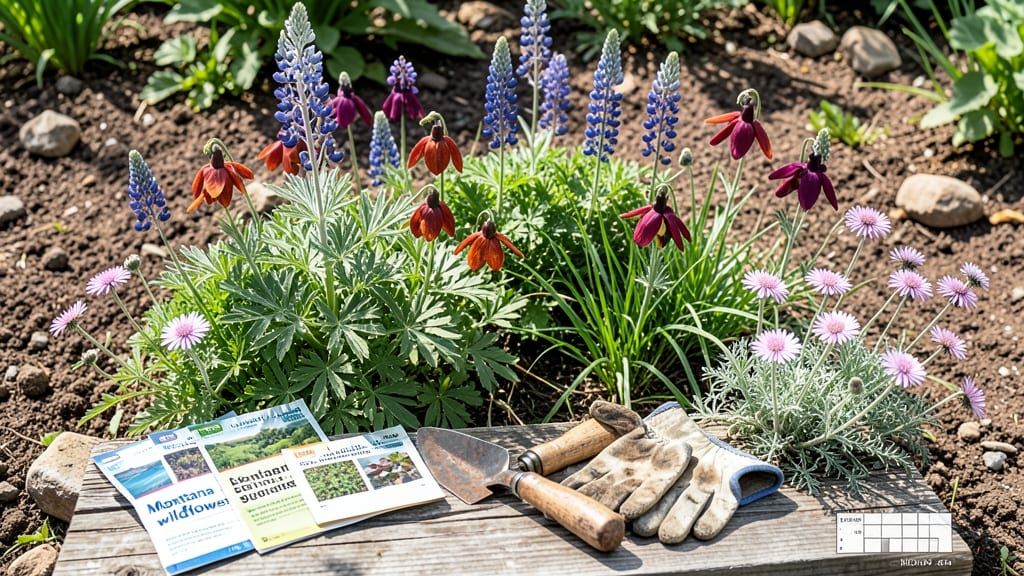
To plant flowers in Montana at the perfect time means waiting until after your last frost date—typically mid-April in Zone 7 or late May in Zone 3—when the soil warms and risks of frost vanish.
Montana’s unpredictable climate—from freezing winters to short, sweet summers—can make flower gardening a challenge if you don’t time your plantings just right. But with the right USDA zone knowledge, you can transform your yard into a vibrant bloom paradise year after year.
Many gardeners rush to plant too early, only to lose their hardy perennials like delphiniums or peonies to a late frost. Others wait too long, missing the ideal window for summer-blooming annuals. The key is matching your flowers to your zone’s frost dates and soil conditions.
Here’s what you’ll learn: the exact months to plant by USDA Zone (3-7), the best cold-resistant blooms for Montana’s climate, and how to extend your growing season with smart timing—so you’re not left with bare soil when the weather finally cooperates.
Montana flower planting calendar by USDA Zones (3-7)
Montana’s USDA Zones 3-7 create a unique gardening challenge with short growing seasons and late spring frosts. Timing your flower plantings correctly ensures vibrant blooms from spring delphiniums to fall coneflowers.
Whether you're in Zone 3’s coldest valleys or Zone 7’s warmer foothills, this calendar keeps your garden thriving year-round.
Start with cold-hardy perennials like peony roots in early spring, then transition to heat-tolerant annuals by summer. Fall planting is crucial for overwintering bulbs and hardy shrubs. Each zone has its own last frost dates, so we’ve broken it down month-by-month for precision.
For Zone 3 gardeners, focus on early spring starts like crocus and Siberian bugloss, which tolerate <
Best flowers for Montana’s short growing season (fast-bloomers & perennials)
Montana’s short growing season and cold winters demand flowers that bloom quickly and survive harsh conditions. The right perennials and fast-bloomers can turn your yard into a vibrant escape, even with just 90-150 frost-free days.
I’ve handpicked cold-hardy varieties that thrive in USDA Zones 3-7, ensuring color from spring through fall.
For spring blooms, focus on early starters like Siberian bugloss and delphiniums, which tolerate late frosts and dry soil. In summer, blanket flowers and Russian sage shine in full sun, while fall favorites like asters and sedum extend the season until first frost.
To maximize blooms, pair fast-growing annuals with perennial workhorses. Annuals like cosmos and zinnias self-seed easily, while perennials like coneflowers return year after year with minimal care. Mulching in late summer protects roots from temperature swings, a Montana specialty.
- 🌱 Spring (April-May): Plant Siberian bugloss and lupines—both tolerate Zone 3 and bloom in 50 days.
- ☀️ Summer (June-August): Choose blanket flowers (drought-tolerant) and Russian sage for full sun exposure.
- 🌿 Fall (August-September): Add asters and sedum to extend color until first frost.
- ✂️ Deadheading Tip: Remove spent blooms from perennials to encourage reblooming.
- 💧 Watering Hack: Water deeply once weekly instead of daily to build drought resistance.
Extend your blooming season by layering plants with staggered bloom times. For example, pair early tulips (March-April) with late-blooming peonies (June-July). In partial shade, columbines and heucheras thrive where sun-loving perennials would struggle.
Montana’s windy conditions can stress delicate blooms, so stake tall perennials like delphiniums early. Group low-growing varieties (e.g., creeping thyme) near borders to reduce wind exposure. Native flowers, such as Lewis flax, also require less water and attract pollinators.
With these cold-hardy picks, your Montana garden can burst with color—even on short summer days. Start with 3-5 varieties, observe their performance, and expand next year. Happy planting! 🌷