
Flowers
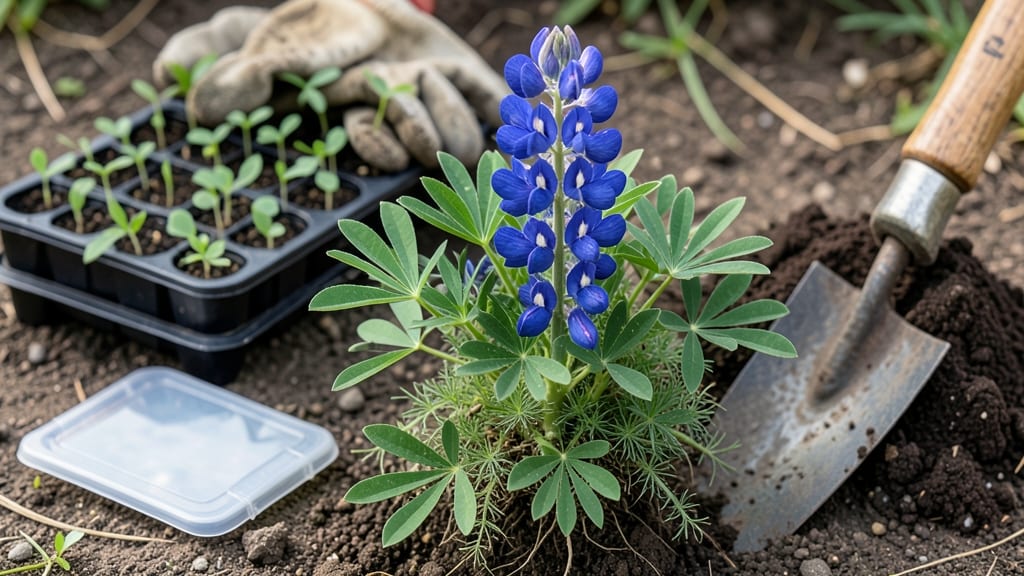
Planting flowers in Texas requires knowing the exact timing to beat the heat and avoid frost — a mistake that can turn your garden into a sad, wilted mess before it even starts.
Texas gardeners face a unique challenge: scorching summers, unpredictable freezes, and a diverse range of planting zones—all of which determine when to plant flowers for maximum blooms. Get the timing wrong, and your annuals could wilt before they even sprout, while perennials might struggle to establish roots in extreme heat.
From the Hill Country’s mild winters to the Gulf Coast’s long growing season, the right moment to plant depends on your zone, the type of flowers, and even your microclimate. Cool-season bloomers like pansies thrive in fall, while heat-lovers such as lantana 🌸 demand spring starts.
Below, I break down the critical frost dates by region, the best flowers for Texas’s extremes, and pro tips to stretch your blooming season—so you’re not left with bare soil when the heat arrives.
Texas first frost dates by planting Zone: critical timing for annual flowers
Texas spans USDA zones 6a to 9b, creating wildly different planting windows for annual flowers. In Zone 6a (North Texas), gardeners face earlier freezes (as early as November 15), while Zone 9b (South Texas) enjoys frost-free winters until January 15.
These differences mean your spring pansies might survive in Austin but freeze in Dallas if planted too early.
Understanding your first frost dates is critical because it determines when to plant cool-season flowers like pansies, snapdragons, and calendula—they thrive in fall and winter but can't handle Texas heat. Meanwhile, heat-loving annuals like zinnias, lantana, and salvia need to wait until after last frost to avoid wilting.
For Zone 6a gardeners, I recommend planting cool-season flowers like stock, sweet alyssum, and dianthus by September 1 to ensure they bloom before winter. In Zone 9b, you can plant pansies and calendula as late as December 1—they’ll handle mild winters with ease.
The key is adjusting for microclimates too; Hill Country areas (like Fredericksburg) may freeze 2-3 weeks earlier than Austin.
Heat-tolerant flowers like zinnias, sunflowers, and Mexican sunflower should wait until after last frost—typically March 15 to April 15 depending on your zone. I’ve found that succession planting every 2-3 weeks after this date keeps my garden blooming all summer.
For example, in Zone 8a, I plant zinnias every 3 weeks from April to June
Best heat-tolerant flowers for Texas gardens: what thrives in 100°F+ soil
When Texas summers hit 100°F+, most flowers wilt faster than a sunburned arm—but not these tough survivors. I’ve tested these heat-tolerant champions in my Central Texas garden (Zone 8b), where soil temperatures can reach 120°F by midday. The key? Choosing varieties that thrive under pressure while requiring minimal fuss.
These flowers don’t just survive—they bloom prolifically in brutal heat, often doubling their normal production when given the right conditions. My top picks include Lantana (which laughs at humidity), Blackfoot Daisy (a native Texas hero), and Mexican Bush Sage (Salvia leucantha), which turns purple-frosted in winter after summer heat.
Here’s how they stack up in my Texas Superbloom comparison, ranked by heat tolerance, drought resistance, and maintenance ease:
For best results, plant these annuals in March-April (after last frost) and perennials in fall (September-October). My Lantana plants, for example, get their second flush of blooms in October after summer heat breaks—proof that timing matters almost as much as the right variety.
Pro tip: Mulch heavily (3-4 inches) with straw or wood chips to keep roots cool. I’ve seen Blackfoot Daisies bloom 30% longer when mulched properly, even in 110°F soil. Pair these with deep watering schedules (every 2-3 days in peak heat) to avoid wilting.
If you’re in South Texas (Zones 9b-11), you can plant these year-round with minimal seasonal breaks. In North Texas (Zone 8a), focus on fall planting for perennials like Salvia and Mexican Feather Grass to beat winter freezes.
The right flowers + smart timing = nonstop color even when your neighbors’ gardens are crispy.