
Flowers
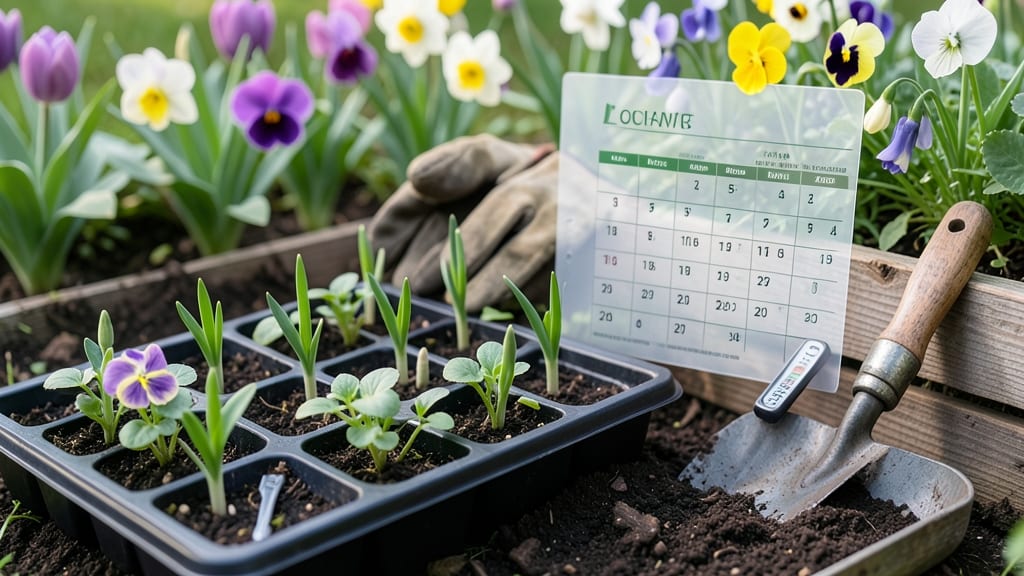
Planting flowers in New Jersey at the right time means the difference between a garden bursting with color 🌸 and one that struggles to take root.
New Jersey’s climate throws curveballs—coastal areas stay cooler longer, while inland zones bake by May. Miss the window, and you’ll end up with wilting seedlings or flowers that bolt before they bloom. The key? Knowing your zone and adjusting for frost dates, soil temps, and even your neighborhood’s microclimate.
Whether you’re sowing spring bulbs or planting fall perennials, timing matters just as much as soil prep. Below, I break down the exact months for each type of flower, plus pro tips to stretch your blooming season from April to October—no matter where in the state you garden.
Ready to turn your yard into a nonstop floral show? Let’s dive into the zone-specific planting schedule that’ll keep your flowers thriving all season long.
New Jersey planting zones: when to plant flowers by hardiness Zone
New Jersey spans USDA Zones 6b to 7b, creating a unique challenge for gardeners. The last frost date typically falls around April 15 in most regions, while the first frost arrives between October 31 and November 15.
Understanding these zones helps you choose the perfect planting window for your flowers, whether you're growing annuals, perennials, or bulbs. The key is knowing when to plant for maximum blooms and minimal stress on your plants.
In Zone 6b (northern NJ), cooler temperatures dominate longer, while Zone 7b (southern NJ) enjoys extended growing seasons. This difference means spring planting can start as early as March 15 in the south but wait until April 1 in the north.
Similarly, fall planting extends later in the south, allowing for a longer window to establish perennials before winter sets in.
Cold-hardy flowers like tulips, daffodils, and peony should be planted in fall—typically between September 15 and October 15. These bulbs need time to develop roots before the ground freezes. Meanwhile, heat-sensitive annuals like petunias and marigolds thrive when planted after the last frost, usually in May.
Perennials, such as coneflowers and black-eyed Susans, can be planted in either early spring or early fall. Fall planting gives them a head start on root growth before winter, while spring planting ensures they establish before the heat of summer. For Zone 7b, fall planting can stretch into late October, but in Zone 6b, you’ll want to finish by mid-October.
For annual flowers, timing is critical. In Zone 6b, wait until May 1 to plant heat-loving varieties like zinnias and sunflowers, as earlier planting can lead to leggy, weak stems.
In Zone 7b, you can start as early as April 15, giving you an extra month of blooms. Always check the soil temperature—it should be at least 60°F before planting seeds or seedlings.
If you’re planting perennials, consider the root establishment period. Fall-planted perennials in Zone 7b can handle cooler soils, but in Zone 6b, the ground may freeze earlier.
For example, black-eyed Susans planted in late September in the south may still thrive, but in the north, mid-September is safer. Mulching after planting helps insulate roots and retain moisture.
Don’t overlook micro-climates within New Jersey. Coastal areas in Zone 7a (like Cape May) have milder winters, while inland areas in Zone 6b (like Sussex County) experience earlier frosts. Adjust your planting schedule by 1-2 weeks based on your specific location.
For instance, tulip bulbs can be planted as late as November 1 in the coast but should be in the ground by October 15 inland.
For container gardening, which is popular in urban NJ areas, you can extend the season by planting pans
Best flowers to plant in New Jersey by season (with exact months)
New Jersey gardeners know timing is everything—especially when planting flowers that need to thrive through our variable climate. From coastal microclimates in Cape May to inland heat in Newark, your planting schedule should shift with the seasons.
The key? Aligning your garden with USDA Zones 6b-7a while accounting for last frost dates (typically mid-April) and first frost (late October).
Whether you're dreaming of spring bulbs popping up in March or fall perennials blooming in October, this seasonal guide will help you plant with precision.
We’ll cover exact months for each flower type, plus adjustments for North vs. South Jersey—because a cooler coastal breeze can delay planting by weeks compared to inland areas.
🌱 Seasonal Planting Calendar for New Jersey
- March 15–April 15: Plant spring bulbs (tulips, daffodils) and hardy perennials (peony, lavender). Soil should be 40–50°F.
- April 15–May 15: Sow annuals (petunias, marigolds) and warm-season veggies after last frost. Wait until soil hits 60°F.
- June–July: Transplant heat-loving perennials (black-eyed Susan, coneflower) and deadhead spent blooms for continuous color.
- August 15–September 15: Plant fall-blooming perennials (chrysanthemums, asters) and cool-season pansies for winter interest.
- September 30–October 15: Add winter interest plants (heather, ornamental kale) before first frost (late October).
⚠️ North Jersey: Delay spring planting by 1–2 weeks due to cooler temps. South Jersey: Plant coastal varieties (e.g., sea lavender) 2 weeks earlier.
For spring bulbs, timing is critical—plant tulips and daffodils in October or November (6–8 weeks before last frost) to ensure robust blooms by April or May.
In North Jersey, where frosts linger longer, opt for later-blooming varieties like darwin hybrid tulips, which handle cooler soils better. South Jersey gardeners can push the envelope with early-blooming daffodils (e.g., 'Ice Follies') as soon as February if winters are mild.
Summer annuals like petunias and marigolds are your color workhorses from June to October, but they need warm soil to germinate. Wait until mid-May in North Jersey (after May 15) and early May in South Jersey to avoid cold snaps.
Pro tip: Use black plastic mulch to warm soil faster in cooler microclimates.
Fall is the perfect time to plant perennials like chrysanthemums and asters, which thrive when established before dormancy.
Aim for August 15–September 15, giving roots time to settle before first frost. South Jersey gardeners can extend this window until October 1, while North Jersey should wrap up by September 15 to avoid early freezes.
Don’t forget winter interest plants like heather and pansies, which add color and texture when most gardens are dormant. Plant these September 30–October 15, choosing cold-hardy varieties like 'Spilled Wine' pansies or 'Sunrise' heather.
In coastal areas, where winds are harsher, add windbreaks or grow them in containers for easier protection.
With these seasonal guidelines, your New Jersey garden will burst with color year-round—no bare patches in sight! Start with one season at a time, and soon you’ll master the art of timing like a local pro. 🌸