
Flowers
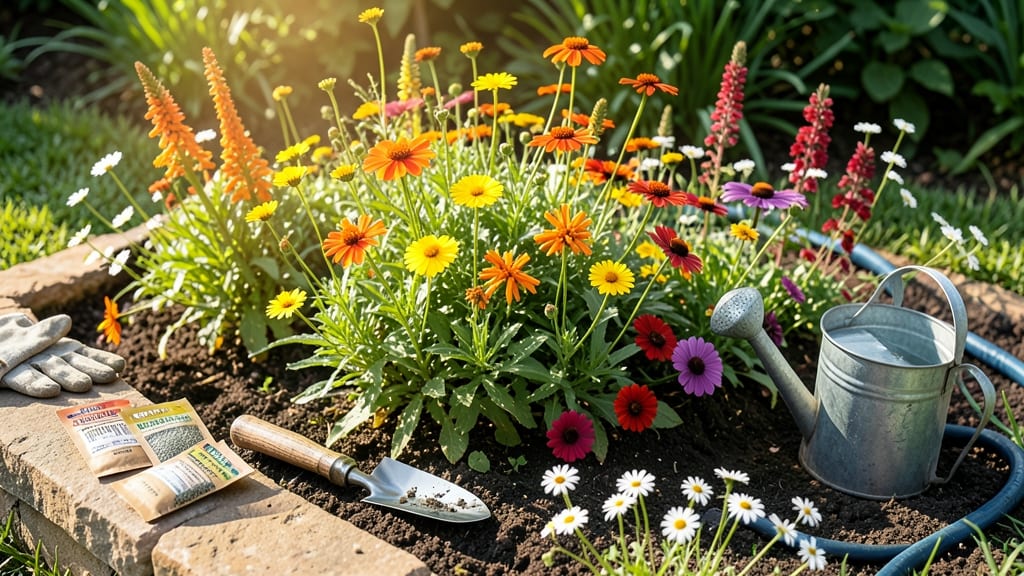
Planting wildflowers in Florida at the right time ensures vibrant blooms year-round — and skipping the best months means fighting weeds or weak growth instead.
Florida’s frost-free windows give you flexibility, but timing still matters. Miss the ideal window in the Panhandle, and you’ll end up with sparse blooms. In Miami, the challenge is avoiding summer heat stress. These regional secrets will help you create a pollinator paradise that thrives.
From September to November, cooler temps and steady rains make it the perfect window for most native species like Coreopsis and Blanket Flower. Early spring, from February to March, is another sweet spot, especially in Zone 8a, where a late frost can still sneak in.
Below, I break down the best months by region, soil prep tips, and the wildflower mixes that will keep your garden buzzing with life — no matter where in Florida you live.
Best planting months for wildflowers in Florida’s 3 key climate zones
Florida’s diverse climate means wildflowers can bloom almost year-round, but timing your planting makes all the difference. North Florida’s cooler winters and South Florida’s near-tropical heat create distinct windows for success.
For example, Coreopsis thrives in fall plantings, while Blanket Flower loves spring’s warmth. Let’s break down the ideal months by region to maximize blooms and minimize weeds.
In North Florida (Zones 8a-9a), frost can still nip tender seedlings, so fall planting (September-November) is your best bet. This gives roots time to establish before winter chill. Meanwhile, Central Florida (Zones 9b-10a) enjoys frost-free growing year-round, but early spring (February-March) and late summer (August) are peak times.
Down in South Florida (Zones 10b-11), you can plant almost anytime—but September-October avoids summer’s intense heat.
Native wildflowers like Black-Eyed Susan and Partridge Pea sync their blooming cycles with Florida’s seasons. Planting at the right time ensures they’ll compete with invasive weeds and attract pollinators from butterflies to hummingbirds. For instance, fall-planted seeds often germinate in cooler months, avoiding summer’s drought stress.
| Region | Best Planting Months | Key Species | Bloom Season | Avoid Planting |
|---|---|---|---|---|
| North Florida (Zones 8a-9a) | September–November (Fall) | Coreopsis, Black-Eyed Susan, Butterfly Milkweed | Spring (March–May) | December–February (frost risk) |
| Central Florida (Zones 9b-10a) | February–March (Spring) or August (Late Summer) | Blanket Flower, Firewheel, Purple Coneflower | Year-round with peaks in spring/fall | June–July (extreme heat) |
| South Florida (Zones 10b-11) | September–October (Early Fall) | Partridge Pea, Lantana, Beach Sunflower | Fall/Winter (September–March) | April–May (hurricane season) |
In North Florida, September is critical—seeds sown after this risk drying out before rains return. I’ve seen Coreopsis planted in October still produce stunning yellow blooms by April, but earlier plantings yield denser foliage.
For Central Florida, February-March aligns with natural spring rains, reducing irrigation needs. Meanwhile, South Florida’s September plantings avoid summer’s brutal heat while still benefiting from residual summer moisture.
Don’t overlook soil prep—loosening the top 6 inches of soil improves seed-to-soil contact. In North Florida, a light mulch helps insulate roots during January’s occasional frosts. For Central and South Florida, focus on drainage to prevent fungal issues during the humid summer months.
I’ve found that scattering seeds thinly (about 1/4 inch apart) prevents overcrowding and encourages stronger stems.
Wildflowers planted in fall often outperform spring plantings because they establish roots before summer’s heat. For example, Blanket Flower sown in September in Central Florida can bloom as early as December, while spring plantings may not flower until June.
This extended bloom time means more food for pollinators and less competition from weeds.
If you’re in South Florida, consider hurricane season timing. Planting in September gives seeds time to germinate before storms arrive in June–November. I’ve used native seed mixes like Partridge Pea, which thrives in sandy soils and self-seeds annually, reducing replanting efforts.
For North Florida, February is a secondary window if you miss fall—just be prepared for cooler nights that may slow initial growth.
Pro tip: Water deeply after planting to encourage root growth, but avoid overwatering, which can drown seeds. In Central Florida’s August plantings, I’ve found that morning watering (before 10 AM) reduces evaporation losses.
For South Florida, drought-tolerant species like Beach Sunflower need minimal care once established—just occasional deep watering during dry spells.
Finally, native wildflowers are your best bet for low-maintenance success. They’ve evolved to thrive in Florida’s humid heat and sandy soils. For instance, Black-Eyed Susan in North Florida blooms from June to September, while Firewheel in Central Florida lights up spring gardens.
By planting at the right time, you’ll create a self-sustaining pollinator haven with minimal effort.
Ready to transform your garden? Grab a native wildflower mix, mark your calendar for your region’s optimal planting window, and prepare for a year-round splash of color. Your local native plant nursery can help you pick the perfect blend for your climate zone.
How to choose wildflower seed mixes for Florida’s unique seasons
Florida’s humid climate and year-round growing potential make it perfect for wildflowers, but not all seed mixes thrive here. The key is selecting season-specific blends that match Florida’s three distinct seasons: warm winter, hot summer, and transitional spring/fall.
For example, fall-planted mixes establish roots before summer heat, while spring mixes avoid competing with summer weeds.
Native Florida wildflowers like Coreopsis, Black-Eyed Susan, and Blanket Flower are drought-resistant and pollinator-friendly, but their timing matters. Planting too early risks fungal diseases, while planting too late may not give them enough time to bloom before summer’s intensity.
Let’s break down the best mixes for each season and what to avoid.
Seasonal Wildflower Seed Mixes: Pros & Cons
🌿 Fall Planting (Sept-Nov)
- Pros: Roots establish before summer heat
- Pros: Blooms spring-summer (best pollinator support)
- Cons: Requires consistent moisture during germination
Best for: Coreopsis, Lupine, Wild Indigo
☀️ Spring Planting (Feb-Mar)
- Pros: Avoids summer weed competition
- Pros: Fast germination in warm soil
- Cons: Summer blooms may wilt in heat
Best for: Sunflower, Zinnia, Cosmos
🌞 Summer Planting (June-July)
- Pros: Longer daylight = faster growth
- Cons: High humidity risks mold
- Cons: Limited fall bloom time
Best for: Portulaca, Lantana, Mexican Sunflower
⚠️ Avoid: Non-native mixes (e.g., California poppies) that struggle in Florida’s heat/humidity
For spring blooms, opt for drought-tolerant mixes like Mexican Sunflower or Blanket Flower, which handle Florida’s 90°F+ temperatures better than delicate annuals. These varieties also attract butterflies and bees during critical pollination periods when native plants are dormant.
Look for seed packets labeled "Florida-friendly" or "pollinator mix" to ensure you’re getting the right species.
If you’re planting for fall color, focus on wild asters and goldenrod, which thrive in Florida’s mild winters (USDA Zones 8a-11). These perennials return yearly, reducing replanting costs.
Pro tip: Mix 10% native grasses like muhly grass into your blend—they add texture and prevent erosion in Florida’s sandy soils.
Always check the seed packet’s maturity zone—some mixes are designed for Northern Florida’s cooler winters (Zone 8a) while others suit South Florida’s tropical heat (Zone 11). For example, Blue Porterweed thrives in Zone 11 but may struggle in Zone 8a’s occasional frosts.
When in doubt, choose regional native mixes from Florida-based suppliers like Florida Wildflower Foundation or Native American Seed.
Remember: Less is more in Florida’s humidity. Over-seeding leads to crowded, disease-prone plants. Aim for 1/4 lb per 100 sq ft and lightly rake seeds into the top 1/8 inch of soil.
Water gently in the morning to prevent fungal issues—this simple habit can mean the difference between a thriving meadow and a failed patch.