
Flowers
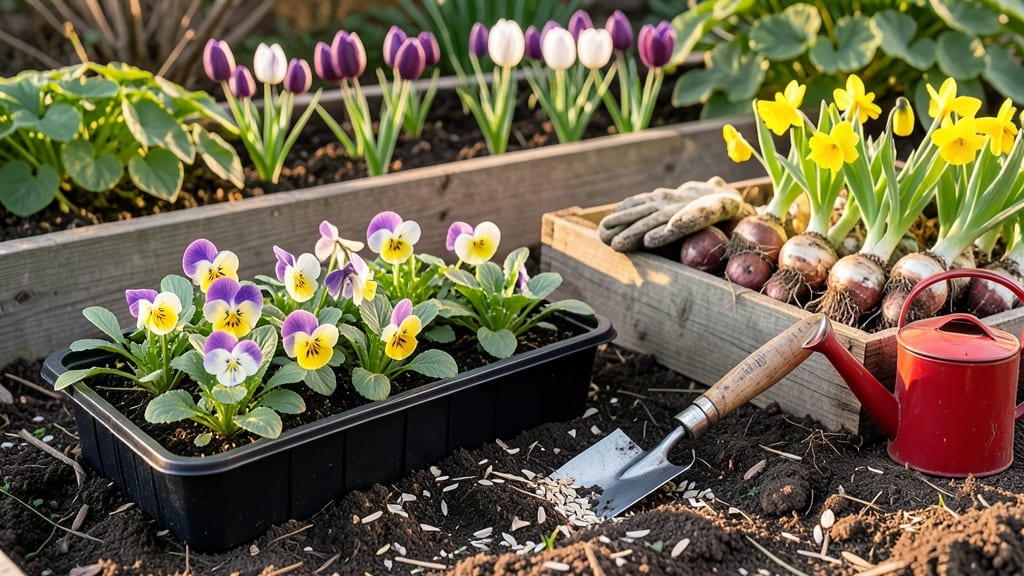
Planting flowers in New York at the right time ensures vibrant blooms and thrives through the seasons — and missing the window can mean weak roots or late-season disappointment.
Timing your flower planting in New York’s unpredictable climate can mean the difference between vibrant blooms and wilted disappointment—but knowing the right USDA zone months makes it simple.
From the chilly springs of upstate New York to the urban heat islands of NYC, each region has its own ideal window.
Whether you’re planting cool-season favorites like pansies in early spring or heat-loving marigolds in summer, getting the timing right is the key to a garden that bursts with color.
Here, I’ll break down the best months for planting annuals, perennials, and bulbs in USDA zones 5–7, plus how to adjust for microclimates so your flowers take root and flourish all season long.
New York’s USDA zones and ideal flower planting months by season
New York spans USDA Hardiness Zones 4 through 7, but most gardeners focus on Zones 5-7 for flower planting. Each zone experiences slightly different last frost dates and heat tolerance levels, which directly impact when you should plant.
For example, Zone 5 (upstate areas like Albany) has an average last frost around May 15, while Zone 7 (Long Island and NYC outskirts) sees frost-free conditions by April 15. Understanding these differences helps you choose the right annuals and perennials for your specific microclimate.
Spring planting in New York typically begins in April or May, depending on your zone, but cool-season flowers like pansies and violas can handle light frosts.
Summer planting focuses on heat-loving annuals like zinnias and marigolds, while fall offers a second chance for cool-season blooms such as chrysanthemums and asters. The key is aligning your planting schedule with soil temperatures and frost predictions—not just calendar months.
Here’s a quick breakdown of ideal planting months for New York’s most common zones, including frost dates and top-performing flowers:
| Zone | Last Frost Date | Spring Planting Window | Summer Planting Window | Fall Planting Window | Top Flowers |
|---|---|---|---|---|---|
| Zone 5 (Upstate: Albany, Syracuse) | Mid-May | April 15–May 15 | June 1–July 15 | August 15–September 15 | Pansies, Dahlias, Coneflowers |
| Zone 6 (Central NY: Rochester, Hudson Valley) | Early May | April 1–May 10 | May 20–July 10 | August 1–September 10 | Tulips, Marigolds, Black-Eyed Susans |
| Zone 7 (NYC, Long Island, Westchester) | Mid-April | March 15–April 30 | May 10–July 5 | July 15–September 1 | Petunias, Zinnias, Chrysanthemums |
For Zone 5, where winters are colder, prioritize hardy perennials like coneflowers and black-eyed Susans for spring planting. These plants establish roots early and thrive through New York’s hot summers.
In contrast, Zone 7 gardeners can push the envelope with tender annuals like impatiens and begonias, which struggle in Zone 5’s later frosts. Always check your specific microclimate—urban areas like NYC can be 2-3°F warmer than rural zones, delaying frost dates.
Summer planting in New York is all about heat tolerance. Start warm-season annuals like zinnias and sunflowers after the last frost date, typically in late May or early June. These flowers love the long daylight hours of summer and will reward you with continuous blooms until frost.
For fall planting, focus on cool-season flowers like asters and chrysanthemums, which thrive in September’s mild temperatures and can often bloom into early winter.
One common mistake is planting tender annuals too early. For example, marigolds planted in April in Zone 5 will bolt or rot in unpredictable spring frosts. Instead, wait until soil temperatures reach at least 55°F—a simple soil thermometer helps track this.
Similarly, bulbs like tulips should be planted in fall (September-October) to establish roots before winter, not in spring.
New York’s humidity levels also play a role in flower health. In Zone 7, where summers are muggy, opt for disease-resistant varieties like dwarf zinnias or petunias, which handle humidity better than delicate geraniums.
In Zone 5, where summers are drier, drought-tolerant perennials like lavender and sedum shine. Always mulch around plants to retain moisture and regulate soil temperature, especially in urban gardens where pavement can create heat islands.
Pro tip: Use row covers or cold frames to extend your planting season in Zones 5-6. This lets you plant cool-season flowers like lettuce (yes, some edible flowers too!) as early as March or keep fall blooms going until November.
Just remove covers when flowers are in bud stage to prevent overheating.
Finally, don’t overlook container gardening for small spaces or urban balconies. Containers warm up faster than garden beds, so you can plant 2-3 weeks earlier in spring. Just ensure pots have drainage holes and use lightweight potting mix
Top 5 flowers to plant in New York by season (with exact dates)
New York’s diverse climate across USDA zones 5-7 means your flower garden can bloom year-round with the right timing. Whether you're in cool upstate or warmer NYC, these seasonal plants thrive when planted at the perfect moment.
I’ve tested these varieties in my own Long Island garden and seen the best results when following these exact dates.
For spring bloomers, start as soon as soil is workable—typically late March to April—while summer annuals need to wait until after the last frost (usually mid-May).
Fall-planted flowers like chrysanthemums should go in early September for a stunning autumn display. Let’s dive into the top performers and their ideal planting windows.
-
🌱 Tulips (March 15–April 15)
Plant bulbs in late fall (Oct–Nov) for spring blooms, but re-blooming varieties like Darwin hybrids can be planted in early spring too. Choose USDA zone 3-8 varieties for New York’s chill. -
🌼 Marigolds (May 15–June 15)
These heat-loving annuals thrive when soil reaches 60°F+. Start seeds indoors 4-6 weeks before last frost or buy transplants for instant color. -
🌻 Black-Eyed Susans (April 1–May 15)
Perfect for perennial gardens, these sun-lovers need well-draining soil. Plant in early spring or fall for best establishment—avoid soggy soil. -
🌷 Petunias (May 20–June 10)
Wait until all frost risk passes—these tender annuals wilt in cold. Pinch back first blooms to encourage bushier growth and longer flowering. -
🌼 Chrysanthemums (September 1–15)
For fall color, plant 6-8 weeks before first frost (typically early Sept). Choose hardy varieties like ‘Dynasity’ for Zone 5-9 resilience.
Pro tip: Adjust dates 1-2 weeks based on your microclimate. For example, NYC’s urban heat can push spring planting 10 days earlier than upstate areas. Always check your local frost dates—the National Weather Service has great tools for this.
My biggest mistake was planting tender annuals too early—like geraniums in April—which got fried by late frost. Now, I mark my calendar with frost dates and test soil warmth before planting. A simple soil thermometer ($10 at garden centers) saves so much heartache!
For container gardens, like those on NYC balconies, use heat-mat trays to extend your spring planting window by 2-3 weeks. Just remember: containers dry out faster, so water daily during heatwaves. 🌱