
Flowers
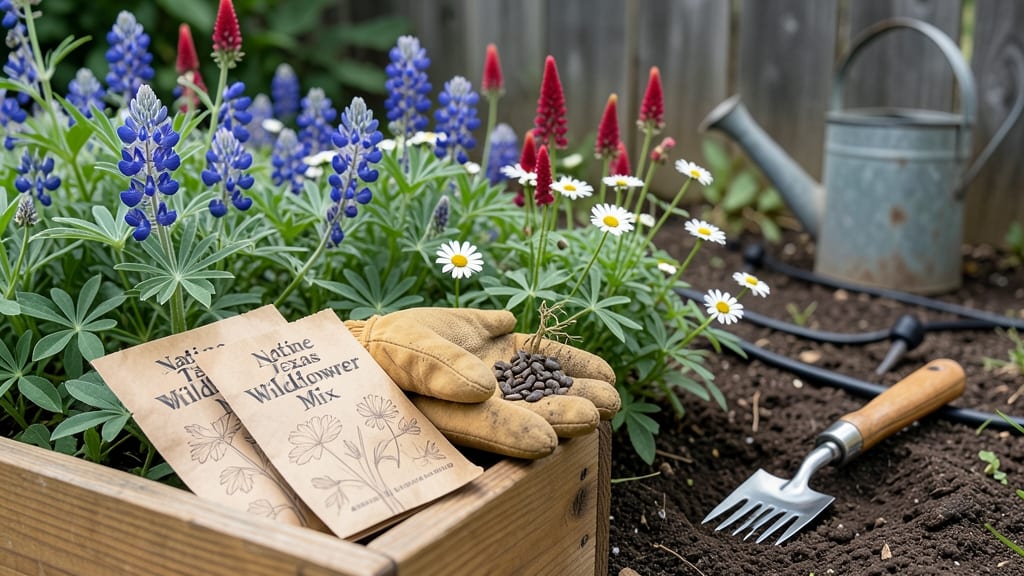
To plant flowers in North Texas, aim for late February through early April or August to September — timing that dodges frost and summer’s brutal heat while setting your garden up for a long, vibrant display.
North Texas gardeners know timing is everything — plant too early, and frost will kill your blooms; too late, and summer heat will scorch them before they open. But with the right schedule, you can enjoy bold, long-lasting flowers from spring to fall, even in our unpredictable climate.
In zones 7b-8a, where last frost typically hits around March 15, cool-season annuals and perennials thrive when planted in early spring, while heat-loving varieties like Lantana and Blackfoot Daisy wait for August’s cooler soil.
Below, I’ll break down the exact months for your zone, plus pro tips for soil prep, watering, and mulching to keep your 🌸 blooms thriving through Texas summers.
Best flower planting months in North Texas by zone (8a vs 8b)
North Texas spans USDA zones 8a and 8b, where average last frost dates (March 15 for 8a, March 1 for 8b) and first frost dates (November 15 for both) create distinct planting windows.
Zone 8a experiences slightly earlier frosts than 8b, so timing matters for annuals, perennials, and bulbs to thrive in our hot summers and mild winters.
For spring-blooming flowers, aim to plant 6-8 weeks before last frost (February-March for zone 8a, January-February for 8b). Fall planting should occur 8-10 weeks before first frost (August-September). Heat-loving annuals like zinnias and sunflowers can wait until April-May when soil warms to 60°F+.
Here’s your zone-specific planting guide for annuals, perennials, and bulbs, including frost-sensitive varieties and heat-tolerant picks:
Zone 8a gardeners should wait until March for frost-sensitive annuals like impatiens, while zone 8b can start as early as February. Perennials like Mexican Feather Grass thrive when planted in fall (September-October), giving roots time to establish before summer heat.
For bulbs like dahlias, plant tubers in March (zone 8a) or February (zone 8b) when soil reaches 60°F. Mulch heavily to protect from late spring frosts and conserve moisture during 100°F+ summers.
Pro tip: Use shade cloth for spring-planted annuals in zone 8b’s earlier heat waves. Drip irrigation saves water and prevents fungal issues in our humid summers. Start seeds indoors in February for longer bloom seasons.
Remember: North Texas’ unpredictable weather means monitor forecasts. A late freeze in April can damage tender new growth, while early September heat may stress fall-planted seedlings. Adjust your schedule by 1-2 weeks if needed!
With this zone-specific timing, you’ll enjoy bold blooms from spring to frost, even in our hot, dry climate. Happy planting! 🌸
How to extend your flower season in North Texas heat
North Texas summers can turn your garden into a sauna, but with the right strategies, you can keep your flowers blooming well into October. The key is combining heat-resistant varieties, smart watering, and shade protection to outsmart the 100°F+ temperatures that often arrive by July.
I’ve learned that even drought-tolerant plants need a little help when the heat becomes relentless.
Start by choosing native Texas flowers like Blackfoot Daisy or Mexican Sunflower, which naturally thrive in our climate. These varieties already have deep root systems to access water deep underground, giving them a built-in advantage during dry spells.
Pair them with succession planting—replacing spent blooms with new plants every 4-6 weeks—to maintain continuous color.
🌿
- 1. Mulch heavily (3-4 inches) with straw or pine bark to lock in moisture and keep roots cool.
- 2. Water deeply at dawn (1-2 inches per week) to encourage deep root growth—never water leaves.
- 3. Provide afternoon shade with lightweight shade cloth (30-50%) or plant tall perennials as natural sunbreakers.
- 4. Deadhead regularly to redirect energy from seed production to new blooms—critical for heat-stressed plants.
- 5. Fertilize lightly in early fall (September) with low-nitrogen fertilizer (5-10-10) to boost late-season growth.
Don’t overlook the power of container gardening for heat-sensitive flowers. Pots dry out faster in the sun, but they also allow you to move plants to shadier spots when temperatures spike.
I keep my petunias and impatiens in containers on a patio where I can relocate them under a pergola or arbor during the hottest afternoons.
For late-season blooms, focus on cool-season annuals like pansies and snapdragons, which tolerate light frosts and even thrive in October’s mild temperatures. Plant them in early September for a burst of color just before winter sets in.
Pair them with evergreen shrubs like Abelia or Dwarf Yaupon Holly to create a four-season garden.
Finally, monitor your garden for signs of heat stress, such as drooping leaves or yellowing foliage. A quick misting in the early morning can provide temporary relief, but long-term solutions require adjusting watering schedules and choosing heat-tolerant varieties for next season.
With these strategies, your garden can stay vibrant well past Labor Day! 🌻