
Plants
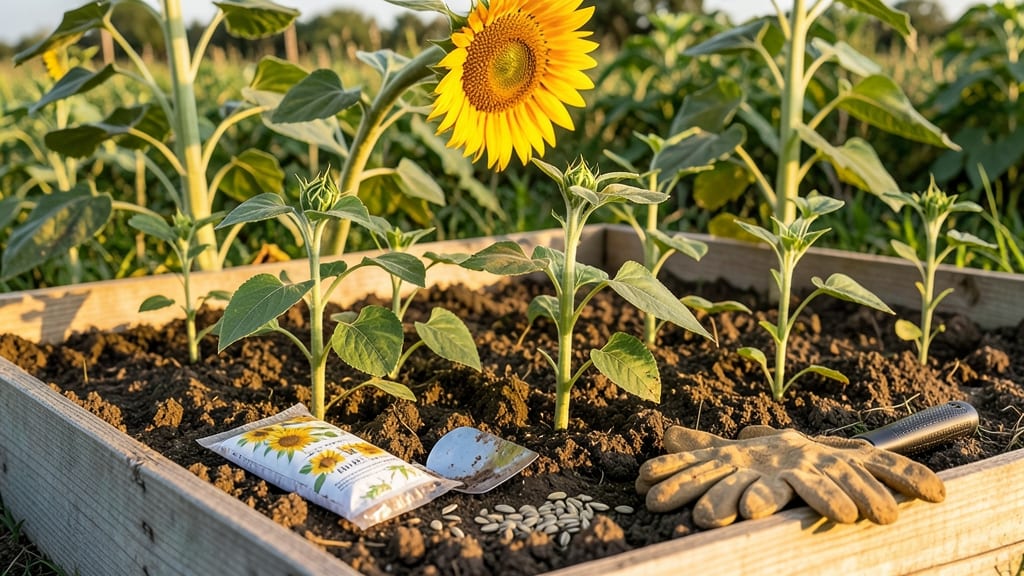
To plant sunflower seeds in Iowa, aim for mid-April to early June after the last frost—when soil temperatures hit 55°F—to give these towering 🌻 beauties the long, warm season they need.
Iowa’s unpredictable spring weather can turn sunflower planting into a guessing game—but timing these bright blooms right ensures towering stems and vibrant flowers all season long.
In USDA Zone 5a-6b, where frost can linger until April 15 in northern regions, rushing seeds into cold soil risks rot. Meanwhile, planting too late may leave you with short, scraggly stems before the first frost hits in October.
Below, I break down the best months for your location, soil prep secrets, and how to space seeds for maximum blooms—plus a few Iowa-specific tricks to outsmart the weather.
Iowa sunflower planting calendar: best months and soil temperature rules
Timing your sunflower seeds in Iowa’s USDA Zone 5 means balancing soil warmth with frost risks. Most gardeners aim for mid-April to early June, but northern Iowa’s cooler springs may delay planting until late May.
The key is waiting for consistent soil temperatures above 60°F—this ensures strong germination and rapid growth before summer’s heat arrives.
Iowa’s climate varies dramatically from southern regions (Zone 6) like Des Moines to northern areas (Zone 4) near Mason City. In the south, you can start as early as late March in protected microclimates, while northern gardens should wait until after May 15 to avoid frost damage.
Always check your local last frost date—most Iowans experience theirs around April 15, but this shifts 1-2 weeks earlier in the south.
| Planting Window | Soil Temp Threshold | Iowa Region | Best Method |
|---|---|---|---|
| Mid-April to May 15 | 60°F+ (consistent) | Southern Iowa (Zone 6) | Direct sowing |
| Late April to June 1 | 55°F+ (minimum) | Central Iowa (Zone 5) | Direct sowing or transplants |
| Late May to early June | 65°F+ (ideal) | Northern Iowa (Zone 4) | Transplants only |
| June 15+ (succession) | 70°F+ (warm soil) | All regions | Direct sowing (late blooms) |
For direct sowing, which is preferred for sunflowers, aim to plant when your soil thermometer reads 60°F or warmer for at least 5 days straight. Cold soil slows germination—seeds may take 2-3 weeks to sprout below 55°F, while warm soil (70°F+) yields sprouts in just 5-7 days.
I use a soil thermometer to monitor temperatures, especially in Iowa’s clay-heavy soils that warm slowly.
If you’re transplanting started sunflower seedlings, harden them off for 7-10 days before setting them out after May 1. Transplants handle cooler soils better than direct-sown seeds, but they’re more expensive and may not perform as well in Iowa’s hot summers.
I’ve found that direct sowing gives me hardier plants with deeper roots, especially for tall varieties like ‘Russian Giant’ that need strong stems.
Northern Iowans should focus on early-maturing varieties like ‘Autumn Beauty’ (60-70 days to bloom) to ensure flowers open before first frost in mid-October. In southern Iowa, you can push the envelope with late-summer varieties like ‘Moulin Rouge’ (75-90 days), planting them as late as June 15 for fall blooms.
Always account for your variety’s days to maturity when planning.
Iowa’s microclimates play a huge role—gardens near urban areas or large bodies of water may warm up 1-2 weeks earlier than rural fields. Pay attention to localized frost pockets, too.
For example, the Des Moines metro area often sees 2-3°F warmer nights than surrounding farmland. Use frost cloth for early plantings in cooler zones to give seedlings a head start.
One critical mistake I’ve seen Iowan gardeners make is planting too early in cool, wet springs. Seeds rot in cold, soggy soil, and fungal diseases like damping off can wipe out entire rows.
Always wait until the soil is crumbly and warm to the touch before planting. Stick your finger 2 inches deep—if it feels cold and damp, wait another week.
For succession planting, sow a second round of seeds every 2 weeks from May through June. This extends your bloom time from July to October, giving pollinators like bees and butterflies a longer food source.
Just be sure to space your plantings 10-15 feet apart to avoid shading younger seedlings. I’ve had great success with this method in my Iowa garden, even in cooler years.
Finally, don’t forget that sunflowers thrive in full sun—choose a south-facing location with 6+ hours of direct sunlight daily. In Iowa’s short growing season, every extra hour of sun helps these fast-growing plants reach their full potential.
With the right timing and soil prep, you’ll enjoy towering sunflowers that outshine even the brightest Iowa summers. 🌻
Sunflower variety planting dates: dwarf vs. giant bloom schedules
Not all sunflowers bloom at the same time—and that’s where variety selection becomes your secret weapon for a longer floral display.
In Iowa’s USDA Zone 5, dwarf varieties like ‘Moulin Rouge’ (2–3 ft tall) can start as early as mid-April, while giant types like ‘Russian Giant’ (10+ ft) thrive when planted in late May for late-summer blooms.
This timing difference isn’t just about aesthetics; it’s about avoiding frost damage while maximizing your garden’s seasonal interest.
Dwarf sunflowers mature faster—typically in 60–70 days—making them perfect for early-season color and cutting gardens. Giant varieties, however, need 90–120 days to reach their full height and bloom, so planting them too early risks stem weakness from cool soils.
The key is succession planting: stagger your sowing dates every 2–3 weeks to ensure continuous blooms from July through October.
For dwarf varieties, focus on early planting (mid-April) to beat Iowa’s late spring frosts. These compact beauties like ‘Teddy Bear’ (1–2 ft tall) are frost-tolerant once established and perfect for container gardens or pollinator-friendly borders.
Their quick bloom time means you’ll see color by July, just in time for summer weddings or cutting arrangements.
Giant sunflowers, however, demand patience and precision. Planting ‘Russian Giant’ seeds in late May ensures they have enough warm soil and daylight to reach their 10–14 ft potential before Iowa’s first frost (typically mid-October).
These late bloomers add dramatic height to your garden and provide birdseed for winter wildlife. To extend their display, pair them with dwarf varieties planted 6 weeks earlier.
Pro tip: Use succession planting to create a non-stop sunflower show. For example, sow ‘Moulin Rouge’ in mid-April, then repeat every 2 weeks until early June. This strategy ensures blooms from July through October, even if your first batch finishes early.
Just remember to thin seedlings to 6 inches apart to prevent crowding and disease.
Finally, don’t overlook soil preparation—Iowa’s clay-heavy soils can slow germination. Mix in compost before planting to improve drainage and nutrient availability. With the right variety timing and soil prep, your sunflower garden will be the brightest spot in the neighborhood all season long. 🌻