
How To
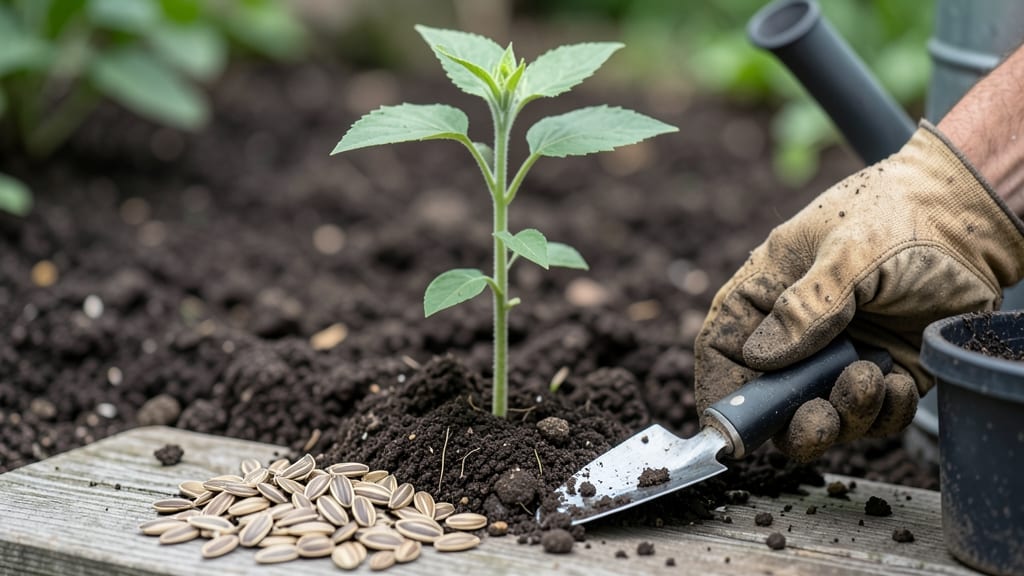
To plant sunflower seeds for fast, sturdy stems, start with direct sowing after your last frost — usually April or May in zone 6a.
Sunflowers aren’t just beautiful—they’re fast-growing, pollinator magnets that can reach towering heights with the right start. But if you’ve ever struggled with weak stems or slow germination, you’re not alone. The secret lies in proper depth, spacing, and soil prep that gives them a strong foundation from day one.
You’ll learn the exact planting depth (1 inch), spacing (6 inches apart), and sunlight needs (6+ hours daily) to avoid flopping or leggy growth. Plus, I’ll share my go-to watering schedule and early-care tips that cut down germination time by nearly half.
By the end, you’ll have a foolproof method for growing sunflowers that stand tall, bloom boldly, and—best of all—thrive with minimal fuss. Let’s get those seeds in the ground the right way!

When and where to plant sunflower seeds for maximum growth
Sunflowers are one of the easiest flowers to grow from seed, but their success starts with timing and placement. Planting them too early in cold soil or in shady spots leads to weak stems that flop under their own weight.
The key is to sow seeds when soil temperatures consistently reach 55°F (13°C)—this ensures rapid germination and sturdy growth. In most regions, this means waiting until after the last frost date, typically April to May in the Northern Hemisphere.
Sunflowers thrive in full sun (6-8+ hours daily), making them perfect for open garden beds, raised planters, or even containers. If you're in a cooler climate (USDA zones 3-5), consider starting seeds indoors 2-3 weeks before the last frost to give them a head start.
Southern Hemisphere growers should aim for September to October planting for spring blooms.
Soil conditions are just as critical as timing. Sunflowers prefer well-draining, slightly acidic to neutral soil (pH 6.0-7.0). Amend heavy clay soil with compost or sand to improve drainage, while sandy soils benefit from organic matter like aged manure or leaf mold.
Avoid waterlogged areas, as soggy soil can rot seeds before they sprout.
Spacing requirements vary by variety, but most sunflowers need 6-12 inches apart when first planted, with final spacing of 12-24 inches to prevent overcrowding. Dwarf varieties (like 'Teddy Bear') can be planted closer together, while giant varieties (like 'Mammoth') need more room to avoid competition.
Always check the seed packet for variety-specific recommendations.
Sunlight needs are non-negotiable for sunflowers—they won’t reach their full potential in partial shade. Even 5 hours of sun can result in leggy, weak stems. If your garden has limited sun, opt for dwarf or semi-dwarf varieties that tolerate slightly less light. For maximum height and bloom size, prioritize the sunniest spot in your yard.
| Factor | Northern Hemisphere | Southern Hemisphere |
|---|---|---|
| Best Planting Month | April - May | September - October |
| Soil Temperature | 55°F+ (13°C+) | 55°F+ (13°C+) |
| Sunlight Needs | 6-8+ hours daily | 6-8+ hours daily |
| Spacing (Initial) | 6-12 inches | 6-12 inches |
| Spacing (Mature) | 12-24 inches | 12-24 inches |
| Seed Depth | 1 inch deep | 1 inch deep |
| Germination Time | 7-14 days | 7-14 days |
For a seasonal planting calendar, Northern Hemisphere growers should mark their calendars for late April to early June, while Southern Hemisphere gardeners should plant in late August to early October.
In warmer climates (zones 8-10), you can even plant sunflowers in fall for winter blooms, though they may bolt faster in heat. Always monitor local weather forecasts—unexpected frosts can delay planting by weeks.
Container growing is another great option for small spaces or urban gardens. Use pots at least 12 inches deep and wide to accommodate root growth. Place containers in full sun and water consistently, as they dry out faster than in-ground plantings.
Dwarf varieties like 'Sunspot' thrive in containers, reaching only 2-3 feet tall while still producing vibrant blooms.
If you're unsure about your local frost dates, use the 50/50 rule: wait until the nighttime temperatures are consistently above 50°F (10°C) for at least 5 days.
This reduces the risk of frost damage to young seedlings. For extra protection, use row covers or cold frames if planting early in cool climates.
One final tip: test your soil before planting. A simple pH test kit (available at garden centers) ensures your soil is in the ideal range. Sunflowers are forgiving but grow best with a balanced diet—add compost or a slow-release fertilizer at planting time to give them a nutrient boost.
With the right timing and conditions, your sunflowers will shoot up in no time, reaching heights of 10 feet or more!
🌻
Step-by-step direct sowing method for strong sunflower stems
Direct sowing is the best way to grow sunflowers because it eliminates transplant shock and encourages deep root systems from day one. The key? Planting at the right depth and spacing while keeping soil consistently moist.
I’ve planted hundreds of sunflowers over the years, and these steps cut germination time by nearly half while preventing weak stems.
Start by selecting a sunny spot with well-draining soil—sunflowers need at least 6-8 hours of direct sunlight daily. Amend the soil with compost or aged manure to improve fertility, especially if your soil is heavy or sandy.
This prep work is non-negotiable for sturdy stems that won’t flop later in the season.
🌱 Step-by-Step Direct Sowing Guide
-
1. Choose the Right Seeds
Pick heirloom or hybrid varieties suited to your climate. Giant varieties like 'Mammoth' or 'Russian Giant' need 24-inch spacing, while dwarf types like 'Teddy Bear' can grow in 12-inch spacing. -
2. Plant at 1-Inch Depth
Use your finger or a trowel to create holes 1 inch deep. Place 1-2 seeds per hole (thin to the strongest seedling later). Press soil gently to secure seeds—don’t bury them deeper or they’ll rot. -
3. Space for Strength
Plant seeds 6 inches apart in rows 18-24 inches apart. Wider spacing reduces competition for nutrients, which means thicker stems and taller plants. -
4. Water Deeply After Planting
Soak the soil until 2 inches deep using a watering can with a gentle spray nozzle. Avoid blasting seeds, which can wash them away. Keep soil moist (not soggy) until germination, which takes 7-14 days. -
5. Mulch to Retain Moisture
Apply 2-3 inches of mulch (straw or shredded leaves) around plants after germination. Mulch locks in moisture, suppresses weeds, and keeps soil temps stable—critical for stem strength during rapid growth. -
6. Thin Seedlings Early
Once seedlings reach 2-3 inches tall, thin to the strongest plant per hole. Snip weak stems at the base with clean scissors to avoid disturbing roots. This step prevents overcrowding, which leads to leggy, weak stems. -
7. Fertilize Lightly at 4 Weeks
Apply a balanced fertilizer (5-10-10) when seedlings are 4-6 inches tall. Use half the recommended dose to avoid burning young roots. Avoid high-nitrogen fertilizers—they promote leafy growth over stem strength.
After planting, monitor your sunflowers for pests like aphids or disease signs like yellowing leaves. A quick spray of neem oil or introducing ladybugs can prevent early problems. Sunflowers are resilient, but consistent care in these first 30 days determines whether your plants will reach their full height.
Pro tip: If your soil drains poorly, mix in perlite or coarse sand to improve aeration. Well-draining soil prevents root rot, which is the #1 cause of weak stems.
With these steps, your sunflowers will grow taller and straighter than ever before—ready to attract pollinators and brighten your garden by summer! 🌻