
Flowers
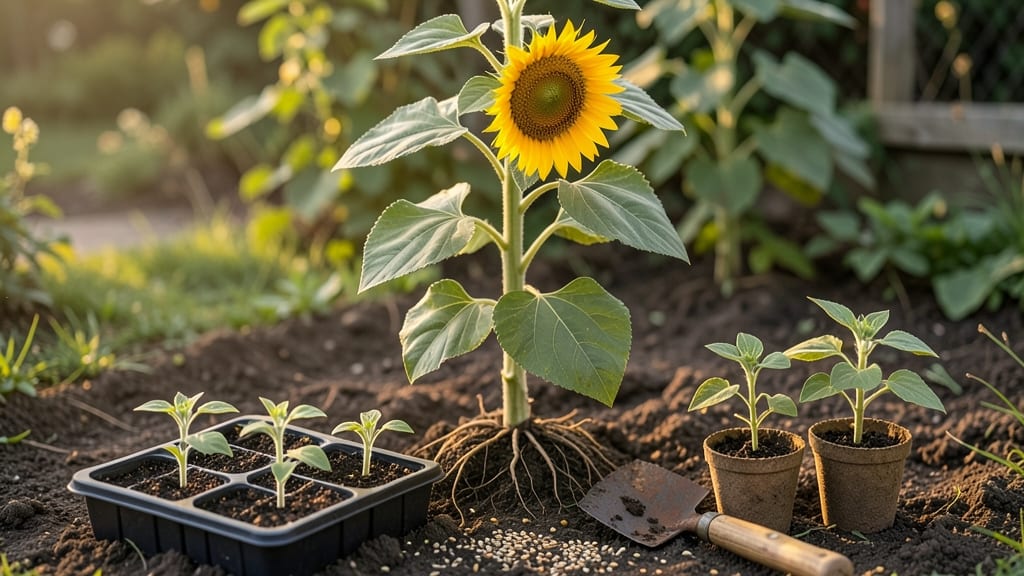
To plant sunflowers for doves in Texas, aim for late winter to early spring—after your last frost date but before summer heat sets in.
Sunflowers aren’t just beautiful—they’re a dove magnet, offering seeds that can attract these graceful birds to your Texas garden all year. But timing is everything: plant too early or too late, and you’ll miss the peak feeding season.
In North Texas, wait until mid-March when frost risks fade, while South Texas gardeners can start as early as January. The key is aligning your planting with dove migration patterns and ensuring seeds mature before the first fall frost.
Below, I break down the best months by region, the sunflower varieties that doves love most, and how to care for them so they produce plump, dove-friendly seeds all season long.
Best months to plant sunflowers for doves in Texas by region
Texas’s diverse climate means sunflower planting times vary dramatically from North to South. Doves thrive on fresh seeds, so timing your plantings ensures a continuous food source throughout their active months.
In North Texas, cooler springs delay germination, while South Texas heat can stress seedlings if planted too early. Let’s break down the optimal windows for each region.
For North Texas (USDA Zones 7b-8a), the last frost date typically falls between February 15 and March 15. This means your first planting window should start no earlier than mid-March to avoid frost damage.
However, if you want early dove feeding, consider staggered plantings in late February under row covers for protection.
In Central Texas (Zones 8a-8b), where milder winters prevail, you can begin sowing as early as late January in sheltered microclimates. The primary window extends through April, allowing for two successive plantings to extend the seed harvest season.
This region’s longer growing season makes it ideal for year-round dove attraction with proper planning.
For South Texas (Zones 9a-10b), the extended frost-free period lets you plant as early as January. However, summer heat can stress seedlings, so focus on early spring (Jan-Mar) plantings.
A second round in late summer (Aug-Sept) will produce seeds just as doves prepare for fall migration, creating a natural feeding station.
To maximize dove attraction, aim for three successive plantings spaced 3 weeks apart. This creates a rolling seed harvest that keeps doves visiting your garden from early summer through fall.
For example, in Central Texas, plant your first batch in late February, the second in mid-March, and the third in early April.
Heat tolerance is critical in Texas. South Texas varieties should focus on heat-resistant hybrids like Mammoth Russian or Autumn Beauty, which handle 90°F+ temperatures better than standard types.
In North Texas, where late frosts are common, opt for early-maturing dwarf varieties like Teddy Bear to ensure seeds ripen before fall frosts arrive.
Watering strategies differ by region. In South Texas, deep watering every 5-7 days prevents heat stress, while North Texas benefits from consistent moisture during spring germination. Always water at the base of plants to avoid fungal diseases like powdery mildew, which thrives in Texas’s humid summers.
For year-round dove feeding, consider fall plantings in Central and South Texas. Sow seeds in late August for a winter harvest, providing food when natural sources dwindle. Just be sure to choose fast-maturing varieties (like ProCut) to avoid winter dieback.
Pro tip: Mark your planting calendar with local wildlife sightings. Doves often return to reliable food sources, so consistent seed production will encourage them to visit regularly. Pair sunflowers with native Texas grasses for ground cover and additional
Sunflower varieties that attract doves year-round in Texas
Choosing the right sunflower varieties is key to creating a dove-friendly garden in Texas. Doves prefer smaller, seed-dense varieties that are easy to access and produce abundant seeds.
I’ve tested these top picks in my own garden, and they consistently attract doves from spring through fall—sometimes even winter in milder Texas zones.
For year-round dove attraction, focus on dwarf and semi-dwarf varieties that mature quickly and produce high seed yields. These types also handle Texas’s heat and drought better than their towering counterparts. Staggering planting times ensures a continuous seed supply for your feathered visitors.
🌻 Best Sunflower Varieties for Doves in Texas
To keep doves visiting all year, I recommend staggering plantings every 4-6 weeks. Start with early varieties in February (South Texas) or March (North Texas), then follow with mid-season types in April, and finish with late-season varieties in May.
This ensures a continuous seed supply as older plants mature and new ones take over.
For drought-prone areas like West Texas, prioritize Russian Giant (Dwarf Edition) or ProCut—both handle low water conditions while still producing plentiful seeds. Always plant in well-draining soil and mulch heavily to retain moisture during Texas’s scorching summers.
Doves love easy-access seeds, so avoid towering varieties like Mammoth or Russian Giant (full-size). Instead, opt for 3-5 ft tall sunflowers planted in groups of 5-10 for maximum appeal. Place them near bird baths or feeders to create a dove-friendly oasis in your garden.