
Flowers
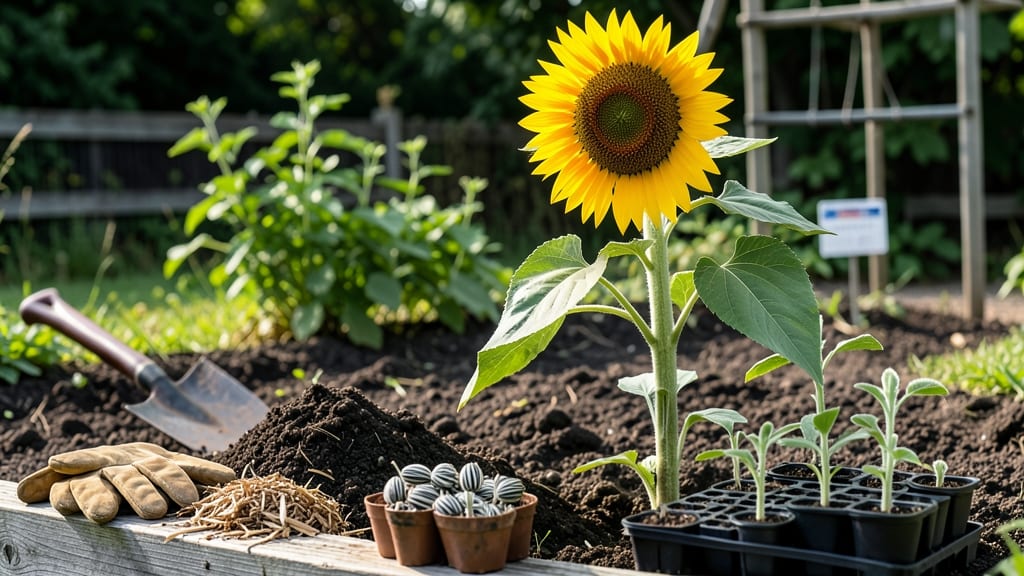
Planting sunflowers in Louisiana means timing them for the 240 frost-free days that stretch from March to November—miss that window, and you risk stunted growth or no blooms at all.
Sunflowers thrive in Louisiana’s long, hot summers—but planting them at the wrong time can mean wilted dreams instead of towering blooms. The key is starting after March 15, when soil temperatures hit 55°F consistently, and choosing between spring (March–April) or fall (September–October) planting for the best results.
Whether you’re growing 4-foot dwarf varieties or 16-foot giants, Louisiana’s heat and humidity demand the right approach: well-drained soil, morning watering, and heat-tolerant picks like ‘Autumn Beauty’ or ‘Moulin Rouge.’
Below, I’ll break down the exact months to plant by region, the best varieties for your zone, and how to avoid the 3 biggest mistakes that kill sunflowers in the Bayou State.
Best planting months for sunflowers in Louisiana: heat zones and frost-free timing
Louisiana's USDA zones 8a-9b mean sunflowers can grow almost year-round, but timing matters. The last frost date typically falls around March 15 in northern regions, while southern Louisiana sees frost-free conditions by February 15. Planting too early risks frost damage, while late planting may stunt growth before winter arrives.
Sunflowers thrive in warm soil (above 55°F) and full sun. In Louisiana, this means spring planting (March-April) and fall planting (September-October) yield the best results. Southern regions can extend planting into May or even November for late blooms.
Here’s your region-specific planting guide with frost-free timing, soil prep tips, and direct sowing vs. transplanting advice:
| Region | Last Frost Date | Best Planting Window | Soil Temp | Method |
|---|---|---|---|---|
| Northern LA (Shreveport, Monroe) | March 15 | March 20 - April 30 September 1 - October 15 |
55°F+ | Direct sow or transplant after last frost |
| Central LA (Baton Rouge, Lafayette) | February 28 | February 28 - May 15 August 15 - October 15 |
60°F+ | Direct sow (avoid transplanting in heat) |
| Southern LA (New Orleans, Houma) | February 15 | February 15 - June 1 August 1 - November 1 |
65°F+ | Direct sow year-round (avoid frost) |
For direct sowing, plant seeds ½ inch deep and 12-24 inches apart, depending on the variety. Transplanting works best in northern Louisiana but should be avoided in central/southern regions during peak summer heat, as sunflowers hate root disturbance.
Prepare your soil by mixing in compost for nutrients and sand to improve drainage—Louisiana’s clay-heavy soils can suffocate roots. Test your soil’s pH (6.0-7.5) and amend if needed. Mulch with straw to retain moisture and suppress weeds, especially in summer’s intense heat.
In spring, aim for March-April planting to ensure blooms by June-July. For fall, plant by September 15 to avoid early winter frosts. Southern gardeners can push October-November plantings for winter blooms that brighten gray days.
Watch for sunflower pests like cucumber beetles and aphids, which thrive in Louisiana’s humidity. Use neem oil or row covers for organic protection. Stake tall varieties (like 'Mammoth') to prevent wind damage during summer storms.
Pro tip: Succession plant every 2-3 weeks in spring for continuous blooms. Choose heat-tolerant varieties like 'Autumn Beauty' or 'ProCut' to handle Louisiana’s 90°F+ summers without wilting.
With the right timing, your sunflowers will reach 10+ feet tall and attract pollinators all season. Happy planting! 🌻
Top 5 heat-tolerant sunflower varieties for Louisiana’s humid climate
Louisiana’s humid summers and intense heat can challenge sunflower growth, but the right varieties thrive here. I’ve selected five heat-tolerant sunflowers that handle 90°F+ temperatures, high humidity, and occasional drought while still producing stunning blooms and abundant seeds.
These varieties also resist common Louisiana pests like sunflower moths and powdery mildew, making them low-maintenance stars for your garden.
For maximum success, prioritize varieties with disease resistance and deep root systems—both critical for Louisiana’s clay-heavy soils and flash floods. The dwarf varieties on this list are perfect for container gardening, while the tall giants dominate backyard landscapes and attract pollinators like bees and butterflies.
Each variety below is ranked by height, bloom time, and seed production, so you can pick the best fit for your space and goals.
Pro Tip: Plant these varieties after the last frost date (typically mid-March to early April in most of Louisiana) or late summer (August-September) for a fall harvest. Always direct-sow seeds—sunflowers hate transplanting and may struggle to recover from root disturbance.
'Moulin Rouge' is my top pick for Louisiana gardens—it’s drought-resistant, heat-loving, and produces massive seed heads perfect for birds and squirrels. Its deep red petals fade to rusty orange, adding seasonal color long after other varieties wilt.
For small spaces, 'Teddy Bear' is a charming dwarf with fuzzy seed heads that kids adore (and birds avoid eating!).
If you’re growing sunflowers for seed production, 'Russian Giant' is unbeatable—its 16-foot stalks yield hundreds of seeds, but stake them early to prevent toppling in Louisiana’s summer storms.
For cut flowers, 'ProCut Hybrid' stays fresh longer than most and resists powdery mildew, a common issue in our humid climate. Always mulch heavily (3-4 inches) to retain moisture and suppress weeds—critical in Louisiana’s intense heat.
🌻