
Planting
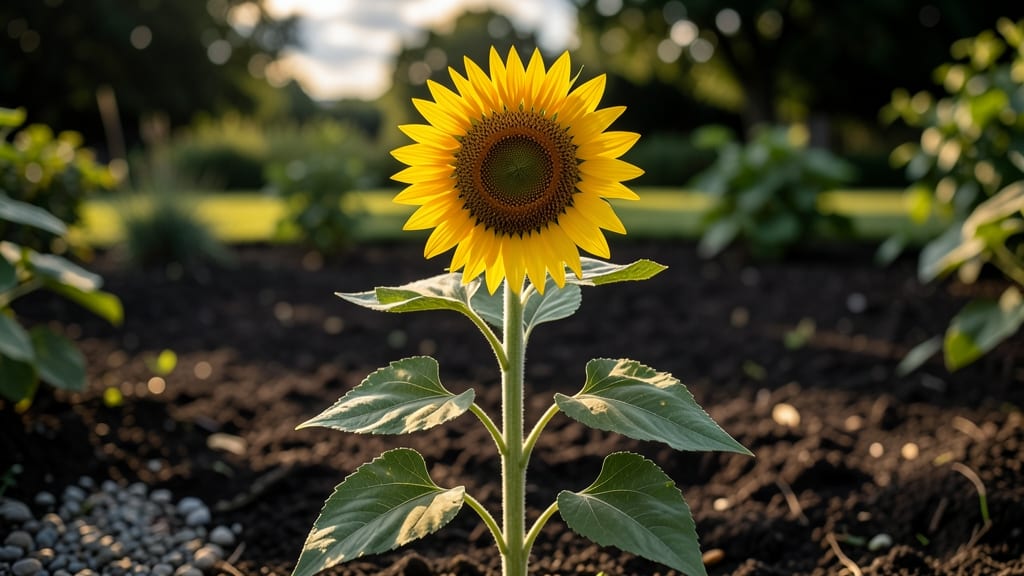
Growing sunflowers from seed to towering blooms takes roughly 60 to 120 days—but the exact sunflower growth time depends on the variety, your climate, and a few key tricks.
Picture this: a tiny seedling poking through the soil in early spring, then—just a few months later—standing taller than you, its golden face tracking the sun. That transformation isn’t just magical; it’s a race against time, weather, and even your own gardening habits.
In this guide, I’ll break down the sunflower growth timeline by stage—from germination to full bloom—so you know what to expect and how to keep your plants on track. Whether you’re growing giant varieties or compact ones, these milestones will help you plan for the fastest, healthiest growth possible.
You’ll also learn how to adjust for slower starts, speed up blooming, and spot early signs of trouble before they derail your harvest. Let’s turn those seeds into sun-soaked giants!


Sunflower growth timeline: exact days from seed to full bloom
Sunflowers are nature’s fastest-growing giants, but their growth timeline varies dramatically based on variety, climate, and growing conditions. From the first green shoot to a sun-drenched bloom, understanding these stages helps you plan for the perfect harvest.
Whether you're growing dwarf varieties for containers or giant sunflowers that reach 12 feet, timing is everything.
Most sunflowers take between 60 to 120 days from seed to full bloom, but this can shrink to 45 days for dwarf varieties or stretch to 150 days in cooler climates.
The key phases—germination, seedling, vegetative growth, and flowering—each have distinct milestones that determine your final height and bloom time.
The germination stage kicks off when your seeds sprout, typically within 5–14 days in warm soil (60–70°F). If your soil is cooler (<50°F), germination can take 3–4 weeks.
I’ve found that pre-soaking seeds overnight in warm water cuts this time by nearly half, especially for giant varieties like 'Mammoth' that need every advantage to reach their full height.
Once seedlings emerge, the vegetative growth phase begins, where sunflowers grow at an astonishing rate—sometimes 3–4 inches per day in ideal conditions. Dwarf varieties like 'Teddy Bear' reach maturity in as little as 50 days, while standard varieties take 70–90 days.
This phase is when you’ll see the most dramatic height differences between varieties, with some reaching 10 feet in just 30 days.
During bud formation, your sunflower’s energy shifts from stem growth to flower development. This stage is highly sensitive to daylight hours—sunflowers need at least 8 hours of sunlight daily to trigger blooming.
In northern climates with shorter days, this phase can stretch by 10–14 days. I’ve noticed that succession planting every 2 weeks ensures continuous blooms throughout the season, even in cooler regions.
When the bud finally opens, you’ve reached the full bloom stage, which lasts 1–3 days for most varieties. Giant sunflowers like 'American Giant' may bloom for up to 5 days if temperatures stay mild.
After blooming, the seed maturity phase begins, where the flower head dries out and seeds develop. This can take 30–60 days, depending on your climate and variety.
Your climate zone plays a huge role in timing. In USDA Zone 9 or 10, where summers are long and hot, sunflowers often
How to speed up or slow down sunflower growth naturally
Sunflowers are nature’s speedsters, but even they need a little help to reach their full potential—whether you want blooms in record time or a longer harvest window. The secret lies in understanding how to nudge growth with natural methods or extend the season without shortcuts.
From soil warmth tricks to strategic planting, here’s how to control the pace of your sunflowers without chemicals or stress.
If you’re eager for those golden faces to brighten your garden faster, focus on soil warmth, consistent moisture, and optimal sunlight exposure. These three factors are the biggest growth accelerators for sunflowers.
On the flip side, if you want to stretch out the harvest, succession planting and cold-hardy varieties are your best friends. Let’s dive into the specifics so you can tailor your approach.
-
1. Warm Up the Soil
Use black plastic mulch or clear plastic tunnels to raise soil temps by 10-15°F. Sunflowers sprout faster in 70°F+ soil—ideal for early spring or late fall planting. -
2. Deep Watering Trick
Water deeply 2-3x/week (1-2 inches total) to encourage root expansion. Shallow watering slows growth by 30-40%—sunflowers need moisture at their roots, not just the surface. -
3. Maximize Sunlight
Place seeds in the sunniest spot (6+ hours daily). South-facing beds get 20% faster growth than north-facing ones. Use reflective mulch (like white gravel) to bounce extra light onto seedlings. -
4. Succession Planting
Stagger plantings every 2 weeks for a continuous bloom from summer to fall. Choose early-maturing varieties (e.g., ‘Teddy Bear’ in 50 days) for faster turnaround. -
5. Cold-Hardy Varieties
Opt for ‘Autumn Beauty’ or ‘Moulin Rouge’—these tolerate 32°F+ temps and extend the season by 3-4 weeks. Plant them in late summer for fall blooms. -
6. Prune Strategically
Remove lower leaves to reduce disease and direct energy upward. Pinch back side shoots to focus growth on the main stem—this can speed up flowering by 10-15 days.
For accelerated growth, combine soil warming with deep watering and full-sun placement. I’ve seen sunflowers bloom in as few as 45 days (vs. the usual 60-90) when using these methods together. The key is consistency—sunflowers respond best to predictable care rather than sporadic bursts of attention.
If you’re aiming for a longer harvest window, focus on succession planting and cold-tolerant varieties. Plant a mix of early, mid, and late-season sunflowers to ensure blooms from June through October.
For example, ‘ProCut’ (55 days) pairs well with ‘Russian Giant’ (120 days) for a staggered harvest. Don’t forget to mulch heavily in fall to protect roots from early frosts.
One common mistake is assuming all sunflowers grow at the same pace—they don’t. Dwarf varieties (like ‘Little Becka’) mature in 50-60 days, while giant varieties (like ‘Mammoth’) take 100-120 days.
Match your goals to the right variety, and you’ll avoid disappointment. Whether you’re racing for early blooms or savoring a late-season show, these natural tweaks put you in control.