
Flowers
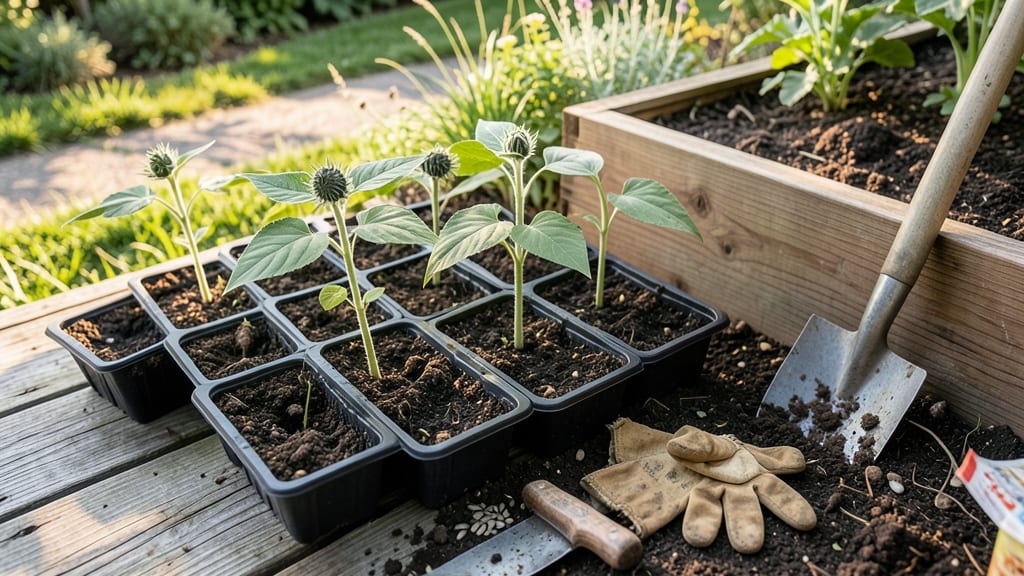
Planting sunflowers in Portland, Oregon, means timing your seeds between mid-April and mid-June—after the last frost but before summer’s heat peaks.
Sunflowers bring vibrant color and joy to Portland gardens—but planting them at the wrong time can mean wilting before they bloom. Mastering the perfect timing in USDA Zone 8 ensures towering stems and radiant blooms all season long.
With Portland’s unpredictable spring rains and sudden summer heatwaves, knowing when to start seeds indoors or directly in the soil makes all the difference. The key is warm soil and steady temperatures, which usually arrive by late April.
In this guide, you’ll discover the best planting windows, ideal sunflower varieties for Portland’s climate, and pro tips to avoid common mistakes—so your 🌻 thrives from July through October.
Best planting windows for sunflowers in Portland’s climate
Portland’s unpredictable spring rains and late frost risks make timing critical for sunflowers. Planting too early can expose seedlings to cold snaps, while waiting too long may shorten the blooming season.
The key is to align your planting with soil temperatures above 60°F and Portland’s last-frost average (April 15–May 15). Urban areas often warm faster than rural spots, so adjust your schedule accordingly.
For direct sowing, aim for mid-April to early June—this gives sunflowers enough time to mature before Portland’s first frost (October 15). If you’re using transplants, start seeds indoors 4–6 weeks before your target outdoor date to ensure sturdy seedlings ready for late spring planting.
Microclimates matter: South-facing gardens warm up faster, while shaded or windy areas may need a 2-week delay.
Soil temperature is your best indicator. Use a soil thermometer to confirm 60°F+ before planting. In Portland, this typically aligns with late April to early May, but heatwaves can push it earlier. If your soil is too cold, seeds may rot or fail to sprout. Amend clay-heavy soil with compost to improve drainage—a must in Portland’s rainy season.
Here’s a quick reference for Portland’s planting windows, accounting for both direct sowing and transplanting:
Portland’s urban heat islands can create microclimates where soil warms up 1–2 weeks earlier than rural areas. If you’re in a city garden, monitor your soil and plant dwarf varieties like ‘Moulin Rouge’ as early as mid-April.
Rural gardeners should wait until late April or early May to avoid frost damage. Always check your local frost date records—Portland’s can vary by 2 weeks from year to year.
Once you’ve planted, mulch heavily to retain moisture and regulate soil temperature. Sunflowers in Portland face drought stress by summer, so mulch with straw or wood chips to keep roots cool and hydrated.
Water deeply once a week (more in heatwaves) to encourage tall, sturdy stems. Avoid overhead watering to prevent fungal diseases like powdery mildew, which thrives in Portland’s humid summers.
For extended blooms, practice succession planting. Sow a second batch in early June for late-summer flowers, or try fall-planted varieties like ‘Autumn Beauty’ in late July. These will bloom into October, long after most sunflowers have faded.
Just be sure to harvest seeds before frost—Portland’s first frost (October 15) signals the end of the growing season.
If you’re new to sunflowers, start with dwarf or semi-dwarf varieties like ‘Little Becka’ or ‘Sunspot’. They’re hardier in windy Portland gardens and bloom faster, giving you reliable color even if your timing isn’t perfect.
For tall varieties like ‘Russian Giant’, wait until late May to ensure they have enough time to mature before frost.
Remember: Portland’s weather is unpredictable. Keep an eye on 10-day forecasts and be ready to cover seedlings if a late frost is predicted. With the right timing and care, your sunflowers will thrive in Portland’s climate, turning your garden into a sunlit spectacle from summer to fall.
🌻
Sunflower varieties and their unique Portland planting needs
Portland’s USDA Zone 8a climate lets you grow everything from dwarf sunflowers to towering Russian Giants, but timing is everything. Each variety thrives with different planting windows and succession strategies to keep your garden blooming from June through October.
Let’s dive into the best options for your space and schedule.
For small gardens or containers, ‘Moulin Rouge’ (dwarf variety) is my top pick—it matures in just 60 days and reaches only 3–4 feet tall. Plant these late May to early June for summer-long color, as they handle Portland’s hot July afternoons without wilting.
Their compact size also makes them perfect for balcony gardens or patio planters.
Medium-height varieties like ‘Autumn Beauty’ (5–6 feet) are my go-to for extended blooms. Sow seeds mid-April to early May for early summer flowers, then succession plant every 2–3 weeks through June 15 to stagger blooms until frost.
This variety’s multi-colored petals also attract pollinators like bees and butterflies, boosting your garden’s biodiversity.
| Variety | Height | Portland Planting Window | Succession Planting | Bloom Time |
|---|---|---|---|---|
| Moulin Rouge (Dwarf) | 3–4 ft | Late May–Early June | Not needed (compact) | July–September |
| Autumn Beauty (Medium) | 5–6 ft | Mid-April–June 15 | Every 2–3 weeks | June–October |
| Russian Giant (Tall) | 10–14 ft | Early May–Early June | One planting (slow to mature) | August–Frost |
If you dream of stunning focal points, ‘Russian Giant’ sunflowers are worth the space. These giants need early May planting to mature before Portland’s shortened daylight in fall. They take 90–120 days to bloom, so avoid late sowings—they won’t reach their full 10–14 foot height before frost.
Plant them in well-draining soil and provide stakes or cages to support their weight.
For late-season color, try ‘Teddy Bear’ (4–5 feet) or ‘ProCut’ (cut-flower varieties). Sow these late June to early July for September–October blooms, just as other flowers fade. Their shorter stature also makes them ideal for cutting gardens or backyard arrangements.
Remember: Portland’s unpredictable spring rains can delay germination. Use row covers for early plantings or wait until soil temperatures hit 60°F+ (test with a soil thermometer).
With the right variety and timing, you’ll enjoy sunflowers in bloom for four glorious months—from early summer’s first petals to fall’s golden finale.