
Flowers
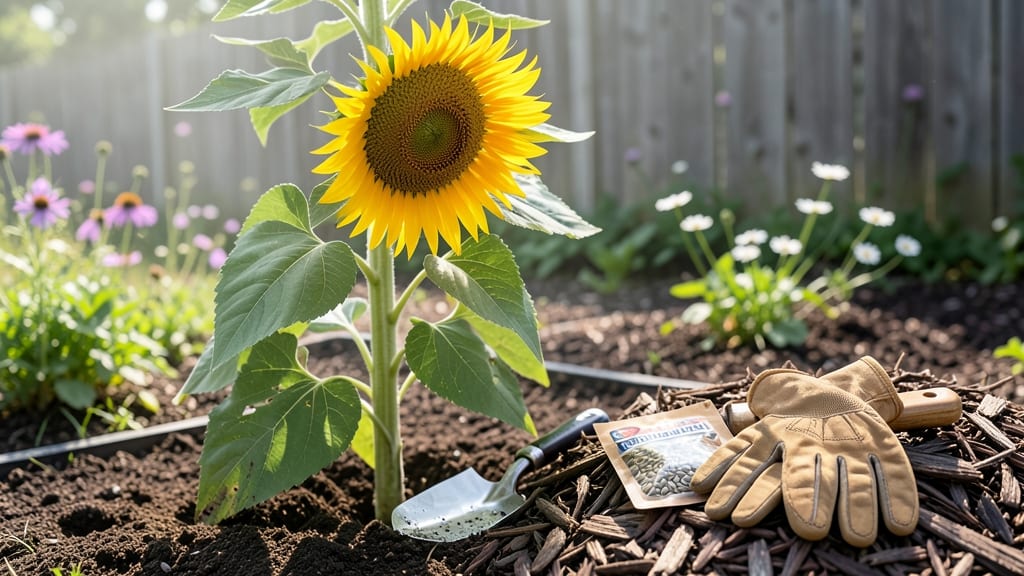
Planting sunflowers in Utah after the last frost date—typically mid-April in the north and early March in the south—sets the stage for those iconic blooms you’ve been dreaming of.
But here’s the catch: Utah’s microclimates—from the high desert’s crisp air to the valleys’ sudden heat waves—can turn a simple planting job into a high-stakes gamble. Miss the window, and you’ll either lose tender sprouts to frost or watch your sunflowers bolt before they mature.
Luckily, knowing your exact USDA zone (5-6 in the north, 7-9 in the south) and local frost averages is the game-changer for timing. Whether you’re growing towering ‘Russian Giants’ or compact ‘Teddy Bears,’ the right schedule means fewer guesses and more bold, sunlit blooms from July to October.
Below, I’ll break down the precise planting dates for Utah’s five key regions, plus pro tips for adjusting timing based on your sunflower variety and soil conditions—so you can finally stop second-guessing and start celebrating those sunflower-filled skies.
Utah sunflower planting dates by microclimate zone (with last frost guides)
Utah’s diverse microclimates create unique challenges for sunflower growers. From the Wasatch Front’s cooler nights to Southern Utah’s early springs, timing is everything. Sunflowers need soil temperatures above 50°F to germinate, but last frost dates vary by 1-2 months across the state.
Let’s break down the ideal planting windows for Utah’s 5 key regions.
Sunflowers thrive in Utah’s USDA Zones 5-9, but high-altitude areas (7,000+ ft) often have cooler nights that delay growth. For example, Cache Valley’s shorter growing season demands fast-maturing varieties, while San Juan County’s warmer climate allows for extended planting into July.
Always check your local last frost averages—they’re your planting deadline.
Pro Tip: Use black plastic mulch to warm soil faster in high-desert zones like the Uintah Basin. This can shave 1-2 weeks off your planting window by raising soil temps 5-10°F above ambient.
| Microclimate Zone | Last Frost Date | Planting Window | Soil Temp Threshold | Best Varieties |
|---|---|---|---|---|
| Wasatch Front (Salt Lake City) | April 15 | Mid-April to May 15 | 50°F+ (use row covers if cooler) | 'Russian Giant', 'Autumn Beauty' |
| Cache Valley (Logan) | April 22 | Late April to June 1 | 55°F+ (cooler nights) | 'Teddy Bear', 'Moulin Rouge' |
| Southern Utah (St. George) | March 1 | February 15 to April 30 | 50°F+ (earlier start) | 'ProCut', 'Sunbright' |
| Uintah Basin (Vernal) | April 25 | Late April to May 20 | 52°F+ (high desert) | 'Autumn Beauty', 'Evening Sun' |
| San Juan County (Montezuma) | March 10 | February 28 to June 15 | 50°F+ (long season) | 'Russian Mammoth', 'Sunspire' |
In high-altitude areas (7,000+ ft), like the Uintah Basin, sunflowers grow slower due to cooler nights. Choose dwarf varieties like 'Teddy Bear' (3-4 ft tall) to avoid wind damage from strong mountain breezes. These varieties also mature 10-15 days faster than standard types.
For Southern Utah’s extended season, don’t hesitate to plant late varieties in July. Heat-tolerant types like 'ProCut' thrive in 100°F+ temps and produce bigger seed heads. Just ensure they receive 1-2 inches of water weekly to prevent bolting.
If you’re in Zone 5-6 (Wasatch Front, Cache Valley), opt for biennial varieties like 'Russian Giant'. These can overwinter with mulch protection and bloom again the following year. Start seeds indoors 4-6 weeks before your last frost date for a head start.
Always test your soil temperature with a soil thermometer before planting. Sunflower seeds won’t germinate below 50°F, and slow germination invites rot and pests. In clay-heavy soils (common in Utah), amend with compost or sand to improve drainage.
For continuous blooms, stagger plantings every 2-3 weeks in your zone. This ensures color from July through October, even if your first planting gets early frost. Just adjust spacing—closer plantings (6 inches apart) work for succession sowing.
Remember: Utah’s drought conditions mean sunflowers need deep watering (1-2 gallons per plant) every 3-5 days during establishment. Once mature, they’re drought-tolerant, but consistent moisture prevents tall stems from toppling in Utah’s windy summers. 🌻
How to extend Utah’s sunflower season: cold-hardy varieties and succession planting
Utah’s short growing season can feel like a race against time for sunflower lovers, but with the right cold-hardy varieties and succession planting strategies, you can enjoy vibrant blooms from early summer to frost.
The key lies in selecting sunflowers that thrive in cooler temperatures and staggering plantings to create a continuous display. For example, ‘Russian Giant’ sunflowers tolerate cooler nights, while ‘Moulin Rouge’ handles Utah’s intense afternoon heat like a champ.
Direct sowing is the easiest method for Utah gardeners, as sunflower seeds germinate quickly in soil temperatures above 50°F. However, if you’re eager to get a head start, you can transplant seedlings after the last frost date—just be gentle to avoid damaging their delicate roots.
For high-altitude areas like Park City or Logan, aim for late May plantings to avoid early frost damage.
When to Plant Sunflowers in Utah: Pros and Cons
- ✅ Longer growing season
- ✅ Early blooms
- ❌ Risk of frost damage
- ❌ Slower germination in cold soil
- ✅ Avoids frost
- ✅ Faster growth in warm soil
- ❌ Shorter bloom time
- ❌ Less time for seed development
- ✅ Continuous blooms
- ✅ Maximizes garden space
- ❌ Requires planning
- ❌ More seed packets needed
- ✅ Faster germination
- ✅ Extends growing season
- ❌ Extra effort
- ❌ May attract pests
To warm cold soil before planting, try black plastic mulch or row covers for 1-2 weeks before sowing. This simple trick can shave off critical days and help your sunflowers reach maturity faster.
For succession planting, sow a new batch of seeds every 2-3 weeks from late April through early June. This ensures a steady supply of blooms throughout the summer, even if your first planting gets hit by unexpected frost.
Another pro tip: choose dwarf varieties like ‘Teddy Bear’ for container gardening or small spaces. These stay under 3 feet tall but still produce stunning blooms, making them perfect for balconies or urban gardens.
Pair them with taller varieties like ‘Autumn Beauty’ for a dynamic height contrast that draws the eye and extends your visual season.
Don’t forget that Utah’s high desert winds can stress young sunflower seedlings. Use windbreaks or stake taller varieties early to prevent them from toppling. With these strategies, you’ll transform your garden into a sunflower paradise that lasts from June through October, even in Utah’s challenging climate.
For maximum impact, group sunflowers with companion plants like borage or nasturtiums. These not only add color but also deter pests and improve soil health. With the right varieties and timing, your sunflower season can be as long and vibrant as Utah’s golden landscapes deserve.