
Plants
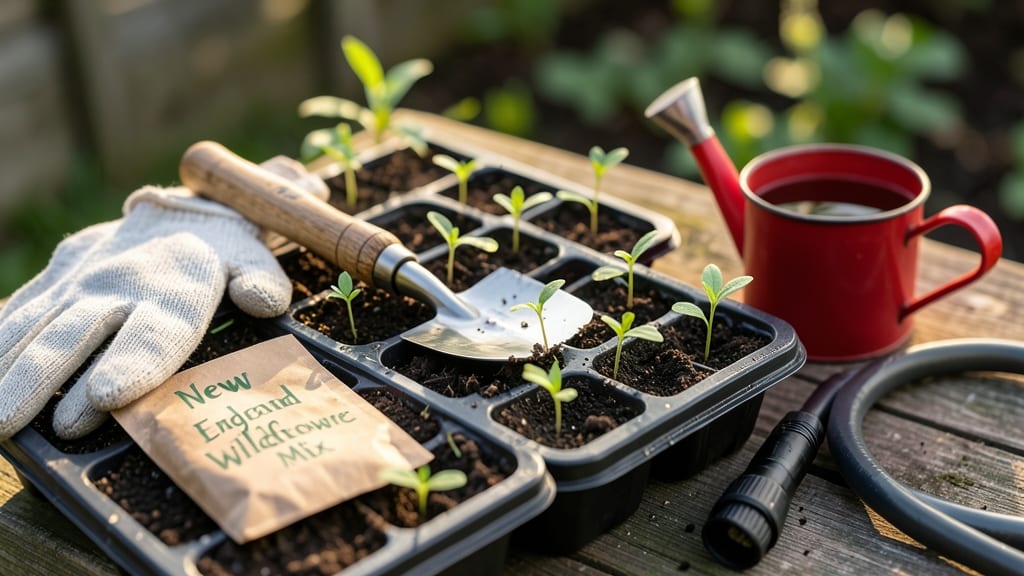
Planting wildflower seeds in New England at the right time means vibrant blooms from spring to fall—without the guesswork of unpredictable frosts.
New England’s 5b-6b zones demand precision: sow too early, and a late frost zaps your seedlings; wait too long, and summer heat arrives before germination. The ideal window is narrow, but mastering it turns your garden into a pollinator paradise with minimal effort.
Here’s how to pinpoint the perfect months for your region, whether you’re in coastal Maine or inland Connecticut, plus soil prep tricks to give your 🌼 seeds the best shot at thriving.
You’ll learn the zone-specific planting calendar, why fall sowing often outperforms spring, and how to stretch your blooms across the entire growing season—even with New England’s short but intense summers.
Best planting months by New England hardiness zones (3-7)
New England’s USDA Hardiness Zones 3-7 create unique planting challenges, from Maine’s chilly coastal zones to Connecticut’s milder inland areas. The key to successful wildflower germination lies in understanding your last frost dates and soil temperatures—both of which vary dramatically across the region.
Coastal areas (like Zone 6b in Boston) often experience earlier springs than inland zones (like Zone 4b in Vermont), where frost lingers until mid-May.
For annual wildflowers like black-eyed Susans or cosmos, timing is critical—they thrive when planted 2-4 weeks before the last frost. Meanwhile, perennial wildflowers such as coneflowers or bee balm benefit from fall planting to establish roots before winter.
Let’s break down the optimal planting windows by zone to ensure your wildflower meadow blooms to perfection.
🌱
| Zone & Location | Spring Planting Window | Fall Planting Window | Last Frost Date | Key Considerations |
|---|---|---|---|---|
| Zone 3 (Northern Maine, NH) | Late April–May | Late August–September | Mid-May to early June | Cold soil delays germination; use warm-season mixes only after soil reaches 50°F+. |
| Zone 4 (Vermont, Upstate NY) | Early–Mid May | Mid-August–September | Early May to mid-May | Inland areas have later frosts—wait until soil warms to 45°F+ for spring planting. |
| Zone 5 (Western MA, RI) | Mid-April–May | Late August–September | Early–Mid May | Coastal zones (e.g., Cape Cod) may plant 2 weeks earlier than inland areas. |
| Zone 6 (Boston, Eastern CT) | Early April–May | Late August–September | Late April–early May | Urban heat islands can advance spring planting by 1-2 weeks—monitor local microclimates. |
| Zone 7 (Southern CT) | March–April | September–October | Mid-April | Longer growing season allows earlier spring and later fall plantings for tropical species. |
In Zone 3 and 4, where winters are harsh, focus on perennial wildflowers like purple coneflower or black-eyed Susan, which establish roots in fall and bloom reliably the following year.
These zones also benefit from spring-sown annuals such as sunflowers or zinnia, planted after the soil temperature exceeds 50°F.
For Zones 5-7, the window expands to include earlier spring plantings (as early as March in Zone 7) and extended fall sowings (up to October in coastal areas).
This flexibility lets you mix cool-season wildflowers (e.g., lupine, phlox) with warm-season varieties (e.g., coreopsis, blanket flower) for year-round color.
🌿
One critical mistake gardeners make is planting too early in spring, when frost still threatens or soil remains cold. To avoid this, use a soil thermometer—seeds need 45-60°F soil to germinate efficiently.
For fall plantings, aim to sow 6-8 weeks before the first frost, allowing roots to establish before winter dormancy.
Coastal regions like Maine’s coast or Rhode Island often enjoy milder winters
Spring vs. fall planting: which works better for wildflowers in New England?
Deciding between spring and fall planting for wildflowers in New England comes down to soil conditions, moisture availability, and your local last frost date. Both seasons offer advantages, but fall planting often yields higher success rates due to cooler temperatures and natural moisture retention.
Let’s break down the key factors to help you choose the best approach for your garden.
In New England’s hardiness zones 3–7, spring planting typically starts as early as March in southern zones (like Connecticut) and April in northern zones (like Maine). However, late spring plantings—after May 15th—risk drought stress and poor germination due to drying soils and summer heat.
Fall planting, on the other hand, benefits from autumn rains and cooler soils, which reduce seedling stress.
Spring Planting vs. Fall Planting for Wildflowers
- Pros: Longer growing season for blooms
- Pros: Easier to monitor and water
- Pros: Ideal for annuals like cosmos
- Cons: Risk of drought stress in summer
- Cons: Weed competition increases
- Cons: Requires scarification for some seeds
- Pros: Higher germination rates (50–70% success)
- Pros: Natural moisture retention from rain
- Pros: Better for perennials like black-eyed Susan
- Cons: Requires stratification for some seeds
- Cons: Limited time to establish before frost
- Cons: Harder to monitor in winter
Note: Fall planting success rates are 20–30% higher in New England due to cooler soils and natural moisture.
If you choose spring planting, focus on scarifying seeds (lightly nicking the seed coat) to improve germination. For fall planting, prioritize stratification—a cold, moist period—to mimic natural winter conditions.
Many native wildflowers, like purple coneflower and goldenrod, thrive when sown in late August to September, giving them time to establish roots before winter.
For Zone 3 (northern Maine), aim for fall planting by September 1st to avoid early frosts. In Zone 7 (southern Connecticut), you can extend fall planting until October 15th.
Always check your last frost date—planting too late risks seedling damage. Use a seed starting mix with perlite to improve drainage and reduce rot risks in both seasons.
My top recommendation? Try both seasons for a year-round bloom display. Plant annuals in spring (like sunflowers) and perennials in fall (like milkweed) to extend your garden’s beauty. Just remember: prep your soil with compost and keep seeds lightly covered—never buried deeper than 1/4 inch—for the best results.
With the right timing and a little prep work, your New England wildflower garden can burst into color year after year, no matter which season you choose to plant. Happy gardening! 🌼