
Flowers
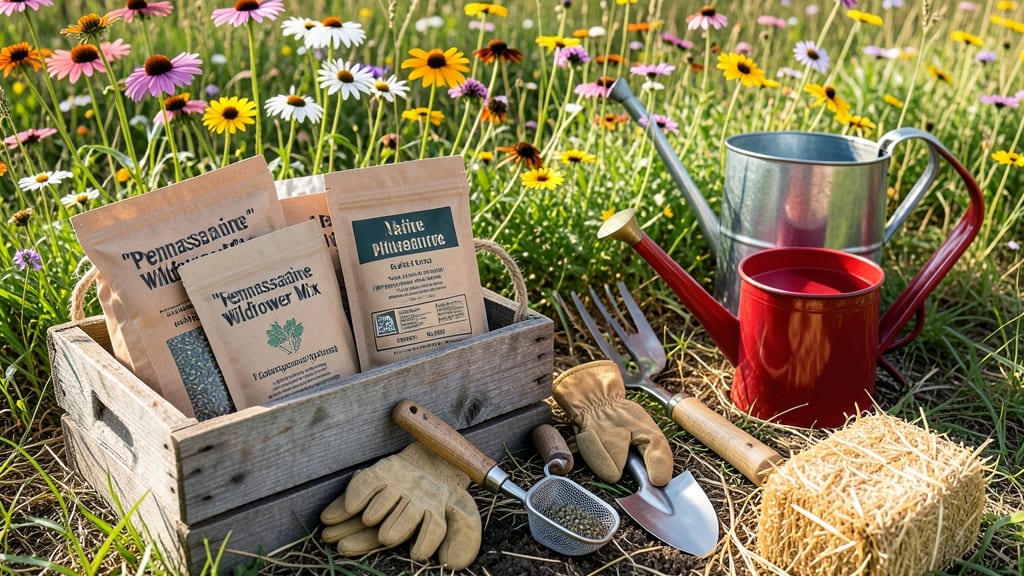
Planting wildflowers in Pennsylvania at the right time ensures vibrant blooms from spring to fall — and missing the window means waiting another year for color.
Pennsylvania’s diverse USDA zones (5b–7a) complicate timing, but the key is simple: spring for annuals and fall for perennials, with frost dates as your guide. Too early, and seeds rot; too late, and they struggle to establish before winter.
Whether you’re sowing native black-eyed Susans or non-native cosmos, the exact months matter—especially in Zone 5b (northern PA) vs. Zone 7a (southern PA). I’ll break down the best planting windows by region, plus soil prep tips to give your wildflowers 🌼 the best start.
You’ll also learn how to stretch blooms across seasons, from early spring bulbs to late-fall asters, so your garden stays lively year-round—without the high-maintenance upkeep of traditional flowers.
Pennsylvania wildflower planting calendar by USDA Zone (exact months for best results)
Timing your wildflower planting in Pennsylvania is all about reading your USDA zone and local frost dates. With zones ranging from 5b in the north to 7a in the south, your planting window shifts by weeks—sometimes even months.
Get it wrong, and you’ll either have seeds rot in cold soil or watch them bake in summer heat before germinating.
Most wildflower seeds need consistent soil temperatures of 60-70°F to sprout, which means waiting until after your last frost date. In Zone 5b (Erie, State College), that’s often mid-to-late May, while Zone 7a (Pittsburgh, Philadelphia) can start as early as late March.
Fall planting is equally critical—aim for 6-8 weeks before your first frost (early September in the north, early November in the south).
Here’s your zone-specific planting calendar for Pennsylvania wildflowers, including adjustments for annuals vs. perennials and direct sowing vs. transplants. Use this as your go-to guide to avoid common mistakes like planting too deep or missing the moisture window.
| USDA Zone | Spring Planting Window | Fall Planting Window | Last Frost Date | First Frost Date | Best Method |
|---|---|---|---|---|---|
| 5b (Erie, State College) | Mid-May to early June | Early September | May 15 | October 1 | Direct sow after frost |
| 6a (Central PA, Harrisburg) | Late April to mid-May | Mid-September | April 30 | October 10 | Direct sow or transplants |
| 6b (Lancaster, Reading) | Early April to late May | Late September | April 15 | October 20 | Direct sow or transplants |
| 7a (Pittsburgh, Philadelphia) | Late March to early April | Early November | March 31 | November 15 | Transplants or early direct sow |
| 7b (Southeastern PA) | February to March | Late October | March 15 | November 30 | Transplants preferred |
For annual wildflowers like black-eyed Susan or cosmos, spring planting is your best bet—sow seeds 2-3 weeks after your last frost for instant summer color. These fast growers thrive when planted after soil warms to 60°F, so don’t rush it.
In Zone 7a, you can even start some varieties indoors in February for an early edge.
Perennials like coneflower and bee balm are more forgiving—plant them in early spring or early fall for deep root establishment. Fall planting gives roots time to grow before winter, making them 20% more drought-resistant the next season. In Zone 5b, aim for early September to avoid early frosts.
Pro tip: Use a seedling heat mat if planting in Zone 5b or 6a to speed up germination. Place it under your seed tray for 10-14 days until seeds sprout—this cuts your wait time by half in cool climates. Just remove it once sprouts appear to prevent overheating.
Adjust your timing if you’re in a micro
How to choose wildflower seed mixes for Pennsylvania’s climate and pollinators
Pennsylvania’s varied landscapes—from the Allegheny Mountains to the Erie Plain—create unique microclimates that demand thoughtful wildflower selection. Whether you’re planting for pollinators, drought resistance, or season-long color, choosing the right seed mix can transform your garden into a thriving ecosystem.
Native species like black-eyed Susan and purple coneflower thrive in PA’s USDA zones 5b-7a, while non-natives may require extra care to establish.
One of the biggest decisions is whether to use native wildflower mixes or non-native blends. Native seeds support local ecosystems, attract native pollinators like monarch butterflies and bumblebees, and require less water once established.
Non-native mixes, however, often offer more color variety and may bloom earlier in the season. Your choice should align with your garden’s goals—ecological impact or visual appeal—and your local climate conditions.
Here’s a quick comparison to help you decide which seed mix aligns best with your PA garden’s needs:
Native Wildflower Mixes
- Supports local pollinators and wildlife
- Drought-tolerant once established
- Low-maintenance and perennial
- Adapted to PA’s soil and climate
- Limited color variety compared to non-natives
- May take 1-2 years to fully establish
- Higher upfront cost for certified native seeds
Non-Native Wildflower Mixes
- Wider range of colors and heights
- Faster blooming in first year
- Often less expensive than native mixes
- May not support local pollinators effectively
- Requires more water and care to thrive
- Some species can become invasive
For drought-tolerant gardens, opt for mixes featuring goldenrod, yarrow, or blazing star. These varieties thrive in PA’s dry spells and require minimal irrigation once rooted.
If your garden is in the mountainous regions (like the Poconos), choose cold-hardy species like wild bergamot or butterfly weed, which handle cooler temperatures better than heat-loving non-natives.
Pollinator-friendly mixes should include at least 30% native species to maximize their ecological benefits. Look for blends labeled "pollinator-friendly" or "bee-friendly", which often include milkweed (critical for monarchs) and bee balm.
For the Piedmont region, where summers are hot and humid, consider adding coneflower and black-eyed Susan to your mix for year-round interest.
Always check the seed packet for planting instructions tailored to your PA microclimate. For example, Erie’s lakeshore areas benefit from wind-resistant varieties like switchgrass, while urban gardens in Philadelphia may need more shade-tolerant options such as wild columbine.
Matching your seed mix to your specific location ensures healthier, more resilient plants that will reward you with vibrant blooms season after season.
Finally, consider layering your wildflower garden with perennials and annuals to extend the blooming season. Pair native wild geranium (early spring) with sunflowers (summer) and asters (fall) for continuous color and pollinator support throughout the year.