
Plants
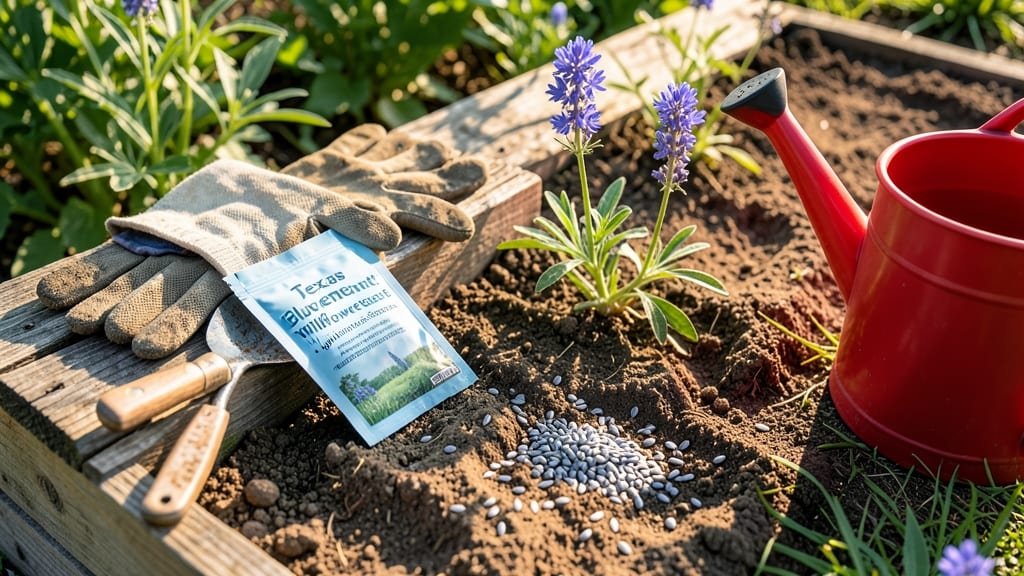
Planting wildflower seeds in Texas between late summer and early spring unlocks a year-round riot of color 🌼 — but timing matters more than you might think.
Picture this: you’ve spent good money on seed mixes, only to watch them sprout too late for spring blooms or fizzle under summer heat. That’s why knowing your region’s frost dates and rainfall patterns is the key to avoiding disappointment.
Whether you’re in North Texas’s cooler 8a-10b zones or South Texas’s extended growing season, the best months to plant shift dramatically. Fall planting (August–October) sets roots deep before winter rains, while spring (February–March) catches early bloomers like bluebonnets.
Below, I’ll break down the exact planting windows by region, soil prep secrets for Texas clay or sandy soils, and how to choose seed mixes that thrive year-round—no guesswork, just vibrant results.
Texas wildflower planting calendar by region: fall vs spring timing explained
Texas wildflowers thrive when planted during two key windows: fall (August–October) and spring (February–March). The difference between these seasons can mean the difference between lush blooms and sparse growth. Fall planting lets seeds establish roots before winter rains, while spring catches early bloomers like bluebonnets before summer heat arrives.
Your region’s frost dates and rainfall patterns dictate the best timing. North Texas (USDA zones 8a–9a) has earlier frosts than South Texas (zones 9b–10b), shifting planting windows by 4–6 weeks. Below, I’ll break down the optimal months for each region, plus soil prep tips to ensure success.
🌱 Pro Tip: Always test your soil’s moisture before planting. Texas clay holds water differently than sandy soils—adjust your watering schedule accordingly.
| Region | Best Fall Planting Window | Best Spring Planting Window | Key Wildflowers | Soil Prep Tip |
|---|---|---|---|---|
| North Texas (8a–9a) | Late August–October | Mid-February–March | Bluebonnets, Indian paintbrush, coreopsis | Loosen clay soil; add compost |
| Central Texas (8b–9b) | Mid-August–October | Late February–April | Mexican hat, winecups, black-eyed Susans | Avoid tilling; scratch seeds into topsoil |
| South Texas (9b–10b) | September–November | January–March | Prairie verbena, evening primrose, salvia | Water lightly after planting; sandy soils dry fast |
Fall planting is my top recommendation for Texas wildflowers. Seeds germinate in cooler weather, establish roots before winter rains, and bloom earlier the following spring. Bluebonnets, Texas’s state flower, benefit most from fall planting—they need 6–8 weeks of cool weather to germinate.
Spring planting works best for annuals like black-eyed Susans, which thrive in warmer soil. However, avoid planting after mid-April in North Texas—summer heat can stress seedlings. In South Texas, spring planting can extend into May due to milder winters.
💧 Watering Tip: After planting, keep soil moist but not soggy. Use a light sprinkle daily for 1–2 weeks, then reduce to weekly watering once sprouts appear.
Soil preparation varies by region. North Texas’s clay-heavy soils need compost to improve drainage, while South Texas’s sandy soils benefit from a light mulch to retain moisture. Central Texas’s mix of both requires minimal disturbance—just scratch seeds into the topsoil.
Timing isn’t just about months—it’s about weather patterns. Plant after the last expected frost (usually mid-March in North Texas, mid-February in South Texas) and before summer’s 100°F+ heat. Check your local National Weather Service for frost dates.
For a year-round wildflower display, mix fall and spring plantings. Fall seeds (like winter vetch) bloom in early spring, while spring seeds (like coreopsis) extend color into summer. Combine them for a continuous floral show.
✂️ Maintenance Tip: Once established, wildflowers need minimal care. Mow back dead blooms in late summer to encourage new growth, but avoid cutting until after June 1 to protect nesting birds.
How to choose wildflower seed mixes for Texas seasons: perennials vs annuals
Choosing the right wildflower seed mix for Texas hinges on whether you want spring blooms like bluebonnets or fall/winter interest with winter vetch. Perennials like black-eyed Susans return yearly, while annuals like coreopsis deliver bold color in a single season. Your decision impacts bloom timing and long-term landscape impact.
Texas’s frost-free period (210–300 days) and rainfall cycles dictate seed choices. North Texas’s cooler winters favor fall-planted perennials, while South Texas’s mild winters allow year-round blooms with strategic mixes. Drought-tolerant varieties like Mexican feather grass thrive in both regions.
Summary table below compares seed types, planting windows, and care needs to match your region’s climate.
For spring blooms, prioritize fall-planted annuals like bluebonnets. Their seeds need cold stratification over winter to break dormancy, ensuring vibrant March–May displays. In contrast, perennials like Indian paintbrush thrive when planted in early spring (February–March) to establish roots before summer heat.
Match your seed mix to your region’s frost dates. North Texas’s first frost (late October) signals ideal timing for fall annuals, while South Texas’s milder winters allow year-round planting of drought-tolerant varieties. Always check seed packets for USDA Zone 8a–10b compatibility.
Pro tip: Combine spring annuals with fall perennials for continuous color. For example, plant bluebonnets in September and winter vetch in August to bridge gaps between blooms. This layered approach ensures your landscape stays vibrant from winter to summer.
🌼