
Flowers
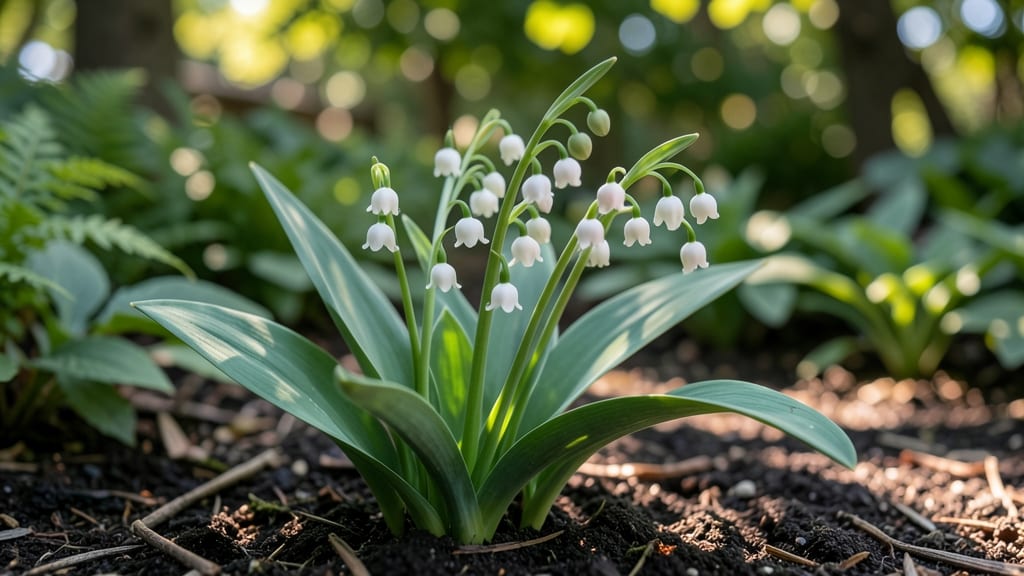
Lily of the Valley flowers bloom in late spring, typically between April and May in most USDA zones, but the exact timing depends on where you live and how you care for them.
If you’ve ever wondered why your 🌸 plants burst into fragrant white blooms at seemingly random times, the answer lies in your USDA zone—and it’s far more predictable than you think.
In cooler northern regions like Zone 6a, expect blooms around mid-April, while southern zones may see flowers as early as March or as late as June.
Below, I’ll break down the month-by-month schedule by zone, plus simple tricks to encourage earlier—or longer—blooms in your garden.
Lily of the valley blooming timeline by USDA Zone (with exact months)
Timing your lily of the valley blooms is easier than you think once you know your USDA zone. These fragrant flowers typically bloom in late spring, but the exact timing shifts dramatically depending on whether you're in Zone 3 or Zone 9.
Understanding these variations helps you plan for their delicate white clusters and prepare your garden for their springtime fragrance.
Lily of the valley thrives in cool climates and often blooms earlier in northern zones where winters are longer. In warmer southern zones, blooms may arrive later but can sometimes extend into early summer.
The key factor is soil temperature—once it reaches 50°F (10°C) consistently, your plants will start their bloom cycle.
| USDA Zone | Early Bloom | Peak Bloom | Late Bloom | Notes |
|---|---|---|---|---|
| Zone 3 | Late May | Early June | Mid-June | Shortest bloom window; may rebloom in fall |
| Zone 4 | Early May | Mid-May | Late May | Blooms coincide with last spring frost |
| Zone 5 | Mid-April | Early May | Late May | Longest bloom duration in cooler zones |
| Zone 6 | Late March | Early April | Mid-April | Classic spring bloomer; may rebloom in fall |
| Zone 7 | Early March | Mid-March | Late March | Blooms often delayed by winter rains |
| Zone 8 | Late February | Early March | Mid-March | May experience heat stress if late blooms |
| Zone 9 | January | February | Early March | Can bloom year-round in mild winters |
In Zone 3, where winters are harsh, lily of the valley typically blooms from late May to mid-June. This late timing gives the soil time to warm after snowmelt.
The peak bloom period in these northern regions is often just a few weeks long, but the fragrance is worth the wait!
Moving south to Zone 5, you'll see blooms arrive as early as mid-April and continue through late May. This zone offers the longest bloom window for lily of the valley, making it ideal for gardeners who want consistent spring color.
The cool nights of Zone 5 actually help prolong the blooming period compared to warmer areas.
For gardeners in Zone 7 and Zone 8, blooms arrive much earlier—in late February to early March. However, these zones can sometimes experience heat stress if blooms persist into late spring. Providing afternoon shade can help maintain those delicate white bells longer.
If you live in Zone 9, you might spot lily of the valley blooms as early as January, with peak blooming in February. The mild winters here mean these plants can sometimes bloom year-round, though the most spectacular displays occur in early spring before summer heat arrives.
Regional variations also play a role. In Pacific Northwest zones (like Zone 7), blooms may arrive slightly later due to cooler ocean breezes. Meanwhile, in Southeastern zones (like Zone 8), humidity can cause blooms to appear earlier but may reduce their longevity.
Pro tip: If your lily of the valley isn't blooming on schedule, check your planting depth. Rhizomes should be buried 2-3 inches deep—too shallow, and they may struggle to establish roots before blooming. Also, avoid over-fertilizing with nitrogen, which can delay flowering.
Once you know your zone's typical bloom window, you can plan companion plants like heuchera or hostas to create a stunning spring garden display. The key is understanding that while lily of the valley is perennial, its bloom timing is heavily influenced by your local climate.
How to extend your lily of the valley blooming season naturally
Want your lily of the valley to burst into fragrant blooms earlier or last longer? The secret lies in mimicking its natural preferences with simple garden tweaks. These delicate perennial flowers thrive when given the right conditions—think moist soil, partial shade, and careful pruning techniques.
With a few adjustments, you can coax your plants to bloom as early as late March or extend their display into June.
Start by understanding that lily of the valley blooms are triggered by temperature shifts and daylight changes. In cooler climates (USDA Zones 3-5), blooms typically appear in late April to May, while warmer zones (Zones 6-9) may see flowers as early as March.
The key to extending this window is creating optimal growing conditions that align with your local climate.
- 1 Plant in partial shade (2-4 hours of morning sun) to prevent heat stress.
- 2 Apply a light fertilizer (5-10-10) in early spring to encourage robust growth.
- 3 Mulch with organic matter (like shredded leaves) to retain moisture and regulate soil temperature.
- 4 Prune spent blooms but leave foliage intact until it yellows to fuel next year’s flowers.
- 5 Divide overcrowded clumps every 3-4 years to rejuvenate growth and promote more blooms.
One of the easiest ways to encourage earlier blooms is by adjusting your planting location. Lily of the valley thrives in woodland settings where it receives dappled sunlight.
If your garden is too sunny, try moving plants to a spot under deciduous trees or near a north-facing wall. This mimics their natural habitat and helps them bloom 2-3 weeks earlier than they would in full sun.
For longer blooming seasons, focus on soil health. These plants prefer humus-rich, well-draining soil with a slightly acidic pH (6.0-7.0). Amend your soil with compost or leaf mold in early spring to provide essential nutrients.
Avoid heavy fertilizers, as too much nitrogen can lead to leafy growth at the expense of flowers. Instead, opt for a balanced, slow-release fertilizer applied in March.
After blooming, resist the urge to cut back foliage immediately. The green leaves continue photosynthesizing until late summer, storing energy for next year’s blooms. Only remove dead or yellowed leaves in early fall to keep the area tidy.
This practice can extend your blooming window by 3-4 weeks in subsequent years.
Finally, watering plays a crucial role. Keep the soil consistently moist but never waterlogged, especially during drought periods. Deep watering once a week (or more in hot climates) ensures roots stay hydrated without encouraging fungal diseases.
In USDA Zones 7-9, mulching with 3-4 inches of organic mulch helps retain moisture and keeps roots cool during summer heat.
With these natural techniques, your lily of the valley will reward you with longer, more abundant blooms year after year—without resorting to chemicals or harsh interventions. Happy gardening! 🌿