
Blooming
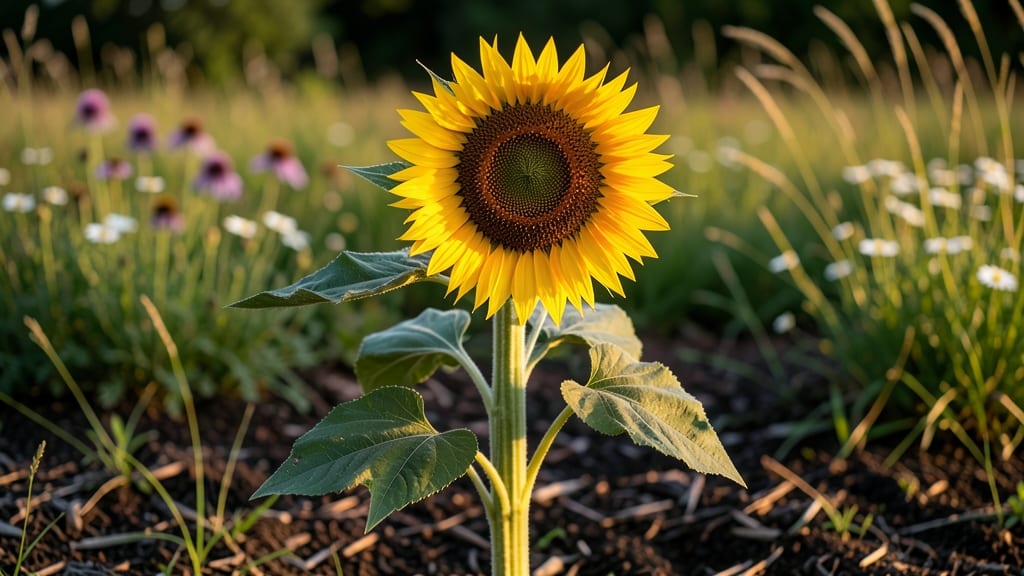
Sunflower bloom time by variety: fastest to slowest flowering types
Sunflowers are nature's showstoppers, but their bloom times vary dramatically depending on the variety you choose. Whether you're planning a quick summer display or dreaming of towering late-season giants, understanding these timelines helps you strategize your garden layout and succession planting.
Early bloomers can brighten your space in as little as 35 days, while giant varieties may take up to 120 days to reach their full glory.
Climate plays a crucial role too. In warmer regions like USDA Zone 9, sunflowers often bloom faster due to longer daylight hours, while cooler zones may see delayed flowering. The key is selecting varieties that match your growing season length and microclimate conditions.
Let's explore the spectrum from fastest to slowest blooming types so you can pick the perfect sunflowers for your garden's timeline.
Dwarf sunflower varieties like 'Teddy Bear' and 'Moulin Rouge' are the speed demons of the sunflower world, often blooming in just 35-50 days. These compact plants typically reach 1-3 feet tall, making them perfect for container gardens, window boxes, or early summer color.
Their rapid growth also makes them ideal for teaching kids about gardening—they'll see instant gratification from seed to bloom!
For a balanced garden timeline, consider mid-size standard varieties like 'Autumn Beauty' or 'ProCut', which bloom in 50-70 days. These varieties offer the classic sunflower experience with heights of 3-6 feet, making them excellent for border planting and cut flower arrangements.
Their slightly delayed bloom time gives you a mid-season show that extends your garden's visual appeal.
The transition to semi-dwarf giants like 'Russian Giant' (though technically a giant) or 'Mammoth' varieties marks a shift toward late summer displays. These plants typically bloom in 70-90 days and can reach impressive heights of 6-9 feet.
Their delayed bloom time allows you to stagger plantings for continuous color throughout the growing season—a technique I've used successfully in my own garden to create a sunflower succession that lasts from July through September.
At the opposite end of the spectrum are the true giant varieties like 'Mammoth Russian' and 'American Giant', which take 90-120 days to bloom. These towering plants can reach heights of 10-16 feet, requiring strong staking and plenty of space.
While their bloom time is the longest, they offer unparalleled drama and make excellent seed producers for next year's garden. In my experience, these varieties thrive best when planted as early as possible in the season to maximize their growth potential before cooler fall temperatures arrive.
Climate considerations are crucial when planning your sunflower bloom timeline. In warmer southern climates (Zones 8-11), sunflowers often bloom faster due to longer daylight hours and extended growing seasons.
I've seen 'Teddy Bear' varieties bloom in as little as 30 days in my Zone 9 garden when planted in early spring. Conversely, in cooler northern climates (Zones 3-5), even fast varieties may take 10-15 days longer to bloom due to shorter daylight and cooler soil temperatures.
Another climate factor to consider is your first frost date. If you live in a region with early frosts, prioritize faster-blooming varieties to ensure you get to enjoy their flowers before winter arrives.
For example, in Zone 5, I always plant dwarf varieties by mid-May to guarantee blooms before the first frost in late September. In warmer zones, you can afford to plant giants as late as early June and still enjoy summer-long displays.
For gardeners in transitional zones (like Zone 6-7), I recommend creating a two-phase planting strategy: start with fast-blooming dwarfs in early spring, followed by mid-size varieties 3-4 weeks later, and finally giants 6-8 weeks after your last frost date.
How to accelerate sunflower bloom time naturally (without chemicals)
If you're eager to see those sunflower blooms light up your garden faster, you're not alone! While sunflowers are fast growers, a few natural techniques can shave weeks off their bloom time.
The key lies in optimizing their growing conditions—without resorting to synthetic chemicals. Let’s explore how to give your sunflowers the best start for earlier, healthier blooms.
Sunflowers thrive on consistency, and small adjustments in soil health, watering practices, and companion planting can make a world of difference. For example, marigolds and borage not only deter pests but also improve soil fertility, helping your sunflowers grow stronger and bloom sooner.
Let’s dive into the proven methods that will have your sunflowers reaching their peak bloom in record time.
5 Proven Ways to Speed Up Sunflower Bloom Time
-
1. Plant at the Right Time
Start seeds indoors 2-3 weeks before the last frost date in your zone. Transplant outdoors after soil warms to 50°F+ for faster root establishment. -
2. Use Well-Draining, Nutrient-Rich Soil
Amend soil with compost or aged manure before planting. Sunflowers love loose, fertile soil with a pH of 6.0–7.5 for optimal nutrient uptake. -
3. Water Deeply and Consistently
Provide 1 inch of water weekly, focusing on the base of the plant. Avoid wetting leaves to prevent fungal diseases, which can stunt growth. -
4. Plant Companion Flowers
Pair sunflowers with marigolds (repel pests) or borage (attracts pollinators). These companions boost overall garden health and speed up flowering. -
5. Thin Seedlings Early
Thin seedlings to 12–24 inches apart (depending on variety) to reduce competition. This ensures each plant gets plenty of sunlight and nutrients for faster growth.
Another game-changer is light exposure. Sunflowers need at least 6–8 hours of full sun daily. If you're growing them in containers or partial shade, consider relocating them to a sunnier spot as they grow.
Even an extra 2–3 hours of sunlight can accelerate their bloom time by 1–2 weeks.
For an extra boost, consider side-dressing with compost or a balanced fertilizer (10-10-10) when plants reach 12 inches tall. This provides a quick nutrient kick without overwhelming the plant. Always apply fertilizer in the early morning to avoid burning delicate roots or leaves.
Finally, monitor your sunflowers for pests or diseases early on. Aphids or powdery mildew can stress plants, delaying blooms. Use neem oil or insecticidal soap as a natural remedy to keep your sunflowers healthy and on track for their earliest possible bloom.
With these natural techniques, you’ll enjoy vibrant sunflower blooms weeks ahead of schedule—no chemicals required! 🌻