
Orchid Care
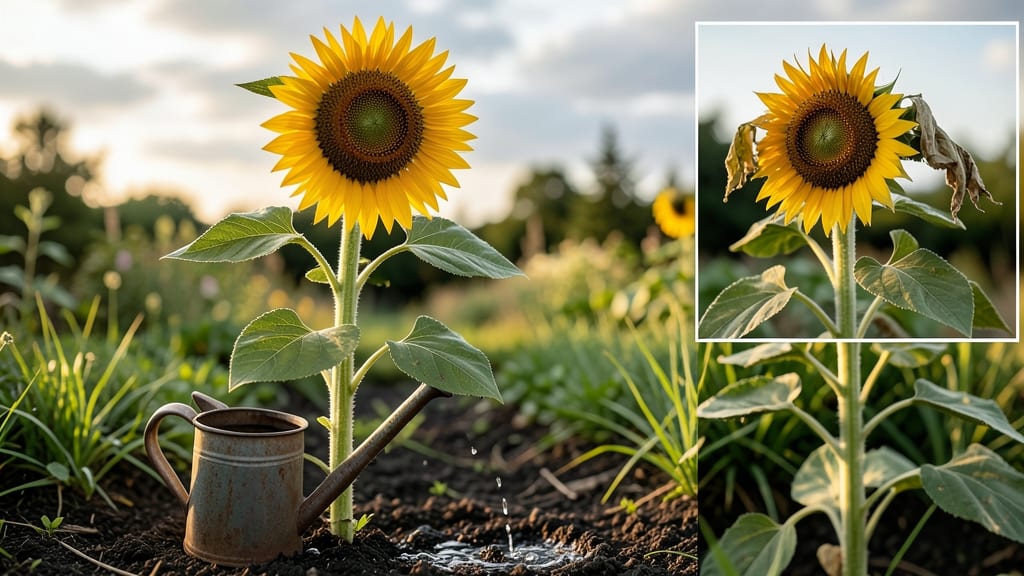
Do sunflowers require a lot of water? The answer might surprise you—they're surprisingly drought-tolerant once established—but getting their hydration right early on makes all the difference.
Picture this: you've just planted your 🌻 sunflower seeds in Zone 6a, dreaming of towering stems by summer, only to watch them wilt under inconsistent watering. The truth is, sunflowers thrive on deep, infrequent watering rather than daily sips, and overwatering is just as harmful as underwatering.
Most gardeners assume these cheerful giants need constant moisture, but the reality is simpler: young plants need consistent soil moisture, while mature sunflowers can handle dry spells once their roots establish.
That means 1-2 inches of water per week is usually enough, with adjustments for heat waves or heavy clay soil.
In this guide, I’ll break down exactly how much water sunflowers need at each growth stage, how to spot the signs of over- or underwatering, and the smartest ways to water them—whether you're dealing with a small container or a full garden bed.
How much water sunflowers actually need (and when)
Sunflowers might look like they need constant hydration to grow their towering bright yellow blooms, but they’re actually drought-tolerant once established.
The key is understanding their three distinct watering stages—seedling, flowering, and maturity—where needs shift dramatically. Overwatering is the bigger threat than underwatering, especially in humid climates where roots suffocate.
Most gardeners assume sunflowers need a lot of water because of their size, but mature plants only require 1 inch of water per week during dry spells. The real secret? Deep, infrequent watering encourages strong root systems that reach 3-4 feet deep—perfect for surviving dry summers.
Let’s break down exactly how much water sunflowers need at each stage.
🌱 Seedlings (0-4 weeks): This is the most critical phase where consistent moisture is key. Keep soil evenly damp (not soggy) by watering every 2-3 days with about ½ inch of water each time. Use a spray nozzle to avoid disturbing delicate sprouts.
🌼 Flowering (4-8 weeks): When buds form, increase water to 1-1.5 inches per week, focusing on the root zone. Water deeply in the morning to prevent fungal diseases. Tall varieties may need 2 inches during extreme heat (90°F+).
🌾 Mature Plants (8+ weeks): Once fully grown, sunflowers only need 1 inch of water every 7-10 days unless your region experiences prolonged drought. At this stage, they’ve developed deep roots that access moisture below the surface.
Regional adjustments matter more than you’d think. In humid climates (like the Southeast US), reduce watering by 20-30% to prevent powdery mildew and root rot. In arid regions (Southwest US), increase water by 50% during peak summer months when temperatures exceed 90°F.
To test soil moisture, stick your finger 2 inches deep—if it feels dry, it’s time to water. For container-grown sunflowers, check the top inch of soil daily during hot weather, as pots dry out 3x faster than in-ground plants.
Mulching with 2-3 inches of straw retains moisture and reduces evaporation by up to 40%.
Watch for these overwatering signs: yellowing leaves, blackened stems at the base, or mushy roots when pulled gently. Underwatering shows as wilting even when soil is dry or crispy leaf edges. The key is balance—sunflowers thrive on consistency, not excess.
Pro tip: Group sunflowers with companion plants like beans or borage that have similar water needs. This creates a microclimate that retains moisture while reducing your workload. Remember, sunflowers are survivors—they’ll tell you when they’re thirsty by drooping slightly in the afternoon heat.
Now that you know the science, let’s address the myth: sunflowers don’t require a lot of water—they require smart watering. With these guidelines, you’ll grow sunflowers that reach their full height while conserving water and avoiding common pitfalls. Happy growing!
5 Common sunflower watering mistakes that kill plants (and how to fix them)
Sunflowers might look like they need endless water to grow their towering stems, but the truth is far more nuanced. I’ve seen sunflower plants collapse from both overwatering and underwatering, and the symptoms often look eerily similar.
The key is understanding their water needs at each growth stage and spotting the early warning signs before it’s too late.
Most gardeners make the same mistakes—watering on a schedule without checking soil moisture, ignoring drainage issues, or assuming sunflowers need constant hydration like thirsty annuals. Let’s break down the top 5 watering mistakes and how to fix them before your sunflowers throw in the towel.
⚠️ Myth Buster: Do Sunflowers Really Need a Lot of Water?
No! While sunflowers do enjoy moisture, they’re surprisingly drought-tolerant once established. Overwatering is the #1 killer—it causes root rot and fungal diseases like powdery mildew. Test soil moisture by sticking your finger 2 inches deep; if it’s dry, water. If it’s damp, wait.
Mistake #1: Overwatering seedlings because they look so fragile. New sprouts need consistent moisture, but their roots are tiny and can’t handle soggy soil.
I once drowned a batch of seedlings by watering daily—now I use a spray bottle for gentle hydration and only water when the top inch of soil feels dry.
Mistake #2: Inconsistent watering that leaves plants thirsty one day and drenched the next. Sunflowers hate moisture fluctuations. Set a schedule (like deep watering 2-3 times per week in summer) and stick to it. For containers, check soil moisture daily—potted sunflowers dry out faster than in-ground plants.
Mistake #3: Ignoring poor drainage in heavy clay or compacted soil. If water pools around your sunflowers, their roots suffocate. Amend soil with compost or perlite to improve drainage, and consider raised beds if your garden stays waterlogged. Always water at the base of the plant, not overhead.
Mistake #4: Neglecting seasonal adjustments. Summer heat demands more frequent watering, but fall and winter slow down their needs. In cooler months, reduce watering to once every 10-14 days unless your region is unusually dry. Mulching with straw helps retain moisture while keeping roots cool.
Mistake #5: Watering at the wrong time. Early morning (before 10 AM) is ideal—it reduces evaporation and fungal risks. Avoid evening watering, which leaves foliage damp overnight. Pro tip: Use a soaker hose for slow, deep watering that targets roots directly.