
Light Requirements
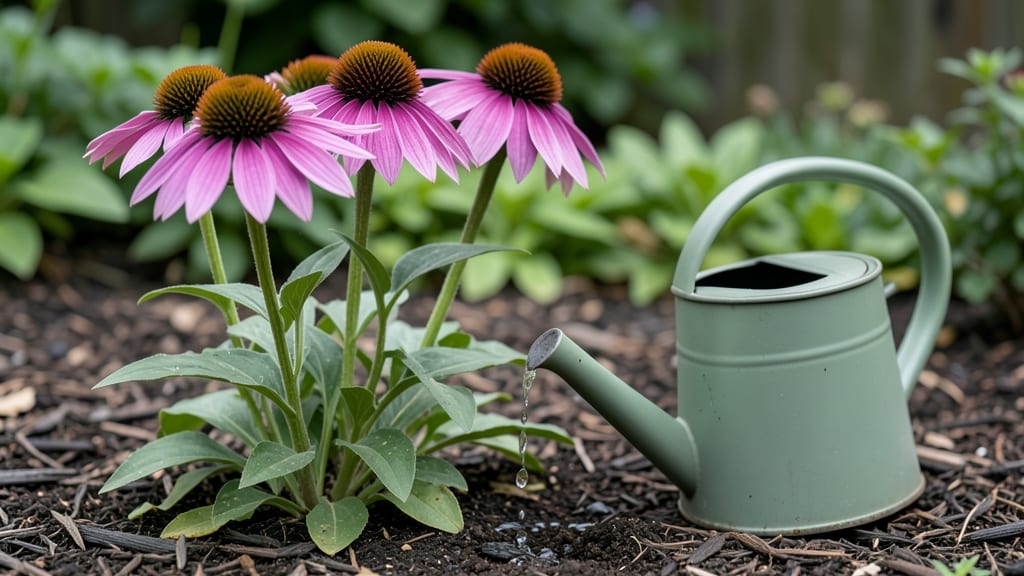
Do coneflowers need a lot of water? Actually, they require far less than most gardeners think—a fact that surprised me when I stopped drowning mine in summer.
If you’re watering them daily and still seeing wilted leaves, you might be doing more harm than good. These drought-resistant perennials store moisture deep in their roots, meaning they’d rather go thirsty than sit in soggy soil.
The key is understanding their seasonal needs and how to adjust your routine without guessing.
Once established, coneflowers in USDA Zone 6a can go weeks without a drink, especially after their first year. But young plants and extreme heat demand a different approach—and knowing the signs of overwatering (like yellowing foliage or weak stems) can save your 🌼 blooms from disaster.
Below, I’ll walk you through a simple watering schedule, mulching tricks to lock in moisture, and how to tell if you’re giving them too much (or too little). Spoiler: your hose might be the problem.
How much water coneflowers actually need (drought-resistant truths)
If you've been watering your coneflowers daily thinking they're thirsty, stop! These drought-resistant perennials actually thrive with minimal hydration once established. Their deep taproots seek moisture underground, making them perfect for low-maintenance gardens. The key is understanding their seasonal water needs and avoiding common overwatering mistakes.
Newly planted coneflowers do need regular watering to help roots establish, but mature plants can go weeks without a drink. Their native prairie origins mean they're adapted to dry spells. Let's break down exactly how much water they truly need and when to adjust your watering schedule for optimal growth.
🌱
| Growth Stage | Watering Frequency | Water Amount | Key Notes |
|---|---|---|---|
| Newly Planted | 2-3 times per week | 1-2 inches deep | Establish roots in first 30 days |
| First Year Growth | Once per week | 1 inch deep | Encourage strong root system |
| Established Plants | Every 10-14 days | Deep soaking | Drought-tolerant once mature |
| Summer Heatwave | Every 5-7 days | 2 inches deep | Mulch to retain moisture |
| Dormant Season | Monthly check | Light water if no rain | Prevent soil from drying completely |
During spring and fall, when temperatures are moderate, your coneflowers will only need water about once per week. This is when they focus energy on root development and foliage growth rather than flowering.
I've found that checking soil moisture with your finger—about 2 inches deep—is the best way to determine if they need water.
Summer brings the highest water demands, but even then, coneflowers can handle dry spells. The key is deep watering—soaking the soil to encourage those deep roots to grow. I water mine in the early morning to prevent fungal issues from evening moisture.
If you notice wilting leaves, it's usually a sign to water, but often they perk up after a few hours of rest.
💧
One common mistake I see is overwatering new plants while neglecting established ones. Young coneflowers need consistent moisture to develop strong roots, but mature plants can suffer from soggy soil.
The deep taproots mean they can access moisture from lower soil layers, so surface watering is often wasted. Always aim for deep, infrequent watering rather than light daily sprinkles.
Signs of underwatering include drooping foliage, yellowing leaves, and a dry, brittle texture when touched. These symptoms usually appear during hot, dry periods when evaporation rates are high.
On the other hand, overwatering causes yellowing leaves, mushy stems, and fungal growth at the base. Both extremes can be fatal if not corrected promptly.
🌿
To maximize water efficiency, I always mulch around my coneflowers with 2-3 inches of organic mulch. This helps retain soil moisture, regulate temperature, and suppress weeds that compete for water. Organic mulches like shredded leaves or straw break down over time, adding nutrients to the soil.
Just be sure to keep the mulch 2 inches away from the plant stem to prevent rot.
In container gardening, coneflowers need more frequent watering because pots dry out faster. I water my potted coneflowers every 5-7 days in summer, checking the soil moisture daily. The key is ensuring the potting mix stays slightly moist but never soggy.
Using well-draining soil mixes with perlite or sand helps prevent waterlogging, which can lead to root rot.
🪴
Remember, coneflowers are not water hogs—they're drought survivors. Once established, they can go weeks without rain in many climates. The secret to their success lies in their adaptation to dry conditions and their ability to store water in their roots.
By following these watering guidelines, you'll have healthy, vibrant coneflowers that require minimal effort while adding beauty to your garden for years.
5 Pro tips to grow thriving coneflowers with minimal water
Coneflowers are the champion drought survivors of the perennial world, but many gardeners still overwater them. The secret to their success lies in deep roots that seek moisture below the surface, not frequent shallow watering. With these water-saving strategies, you'll have vibrant blooms with almost no effort.
First, let's address the biggest misconception: coneflowers don't need daily watering. In fact, overwatering causes more problems than underwatering. Their native prairie habitat teaches us they prefer dry spells between drinks. Let's dive into the game-changing tips that will transform your watering routine.
- 1 Amend soil with compost before planting to improve water retention while preventing compacted soil. Aim for 2-3 inches of organic matter mixed into the top 12 inches of soil.
- 2 Mulch heavily with 3-4 inches of straw or wood chips to block evaporation. Replenish annually in early spring to maintain moisture protection.
- 3 Water deeply but infrequently—aim for 1 inch per week during establishment year, then reduce to every 2-3 weeks afterward. Use a soaker hose for even distribution.
- 4 Plant with drought-loving companions like black-eyed Susans or sedum. Their similar water needs create a microclimate that conserves moisture.
- 5 Skip winter watering unless your region experiences prolonged dry spells. Coneflowers enter dormancy naturally and store moisture in their roots for spring growth.
For container-grown coneflowers, the rules change slightly. Use well-draining pots with cactus/succulent mix blended into regular potting soil. Water only when the top 2 inches feel dry—typically every 5-7 days in summer. Elevate containers to prevent water pooling, which leads to root rot.
Remember, healthy soil is your best ally. Test your garden's drainage by digging a 12-inch hole, filling it with water, and timing how long it takes to drain.
If it takes more than 4 hours, amend with sand or perlite to improve airflow. This simple test prevents waterlogged roots that suffocate coneflowers.
Once established, your coneflowers will outperform most perennials in drought conditions. The key is patience—let them develop strong root systems before expecting minimal maintenance. With these water-wise techniques, you'll enjoy bold blooms all season long, even during dry spells. 🌼