
Flowers
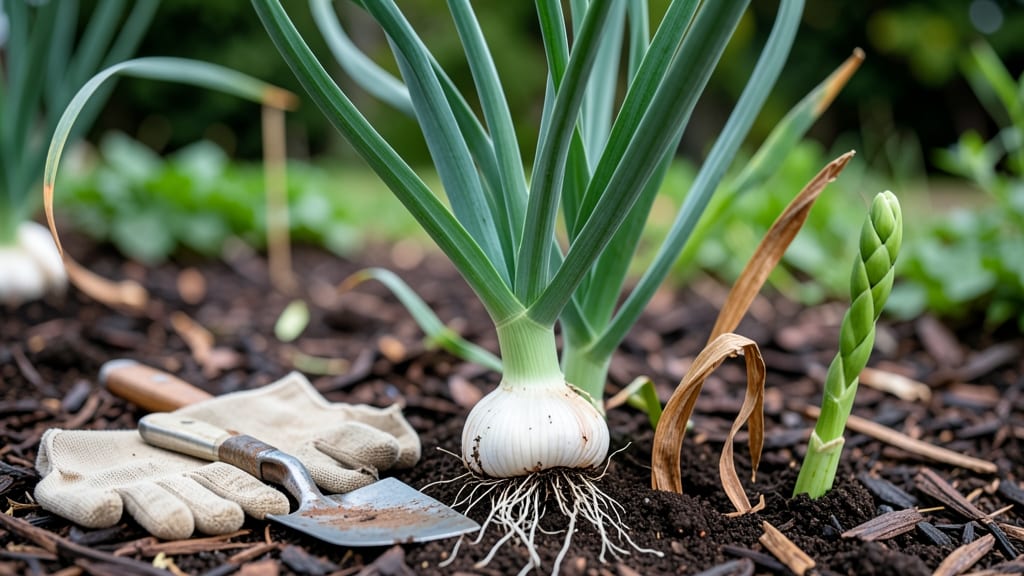
Do you harvest garlic before or after it flowers? The answer is critical—pulling it too soon shrinks your bulbs, while waiting too long means tiny, underdeveloped cloves. Picture this: you’ve nurtured your garlic all season, and now the flower stalks (scapes) are shooting up.
Do you snip them for bigger bulbs, or let them bloom? The answer isn’t as simple as you’d think, and getting it wrong can mean the difference between a pantry full of plump garlic and a sad, stunted harvest.
Most gardeners wait until the lower leaves turn brown and crispy—about 6-8 weeks after flowering—but hardneck and softneck varieties play by slightly different rules. Miss the window, and you risk bulbs that split, shrivel, or worse, never store well.
Here’s how to read your garlic’s signals and lock in the ideal harvest moment.
Inside, you’ll find the exact cues to watch for, how climate and soil affect timing, and what to do if you’ve already waited too long. No more guessing—just a foolproof plan for garlic that’s big, bold, and ready to store.


The science behind garlic flowering and bulb development
Garlic's flowering cycle is directly linked to bulb development, making timing critical for a successful harvest. When garlic plants produce those distinctive flower stalks (called scapes), they're signaling a shift in energy from bulb growth to seed production.
Understanding this biological process helps gardeners decide whether to harvest before or after flowering for optimal results.
The key trigger for garlic flowering is day length. As daylight hours increase in spring, hardneck varieties respond by sending up scapes, while softneck types often skip this stage entirely.
This difference explains why hardneck garlic typically yields larger bulbs when harvested before flowering, while softneck varieties can be left to mature longer without sacrificing size.
Bulb development occurs primarily during the first growing season when garlic stores energy in its underground cloves. When a scape emerges, the plant diverts resources away from bulb growth toward seed production. This energy shift can reduce bulb size by up to 30% if not managed properly.
For gardeners in USDA Zone 6a or similar climates, flowering typically begins in late May to June, aligning with the final stages of bulb maturation. The challenge lies in recognizing when your specific garlic variety is ready for harvest versus when it's about to flower.
Here's the science behind the harvest timing decision: Hardneck varieties like Rocky Mountain or German White produce larger bulbs when harvested before flowering, while softneck types such as Artichoke can be left until after flowering without significant size loss.
The difference comes down to how each variety allocates its energy resources.
| Harvest Stage | Bulb Development | Flowering Status | Best For |
|---|---|---|---|
| Before Flowering | Maximum size (energy focused on bulbs) | No scapes visible | Hardneck varieties |
| At Flowering | Good size (transition phase) | Scapes emerging (3-5 inches) | Both types |
| After Flowering | Smaller bulbs (energy to seeds) | Full flower stalks | Softneck varieties |
The biological triggers for harvest readiness include leaf color changes and bulb firmness. When about 50-60% of leaves turn brown and crispy (but not completely dead), your garlic is typically ready.
This usually coincides with the late spring to early summer window when days are long but not yet peaking.
An often-overlooked factor is soil temperature. Garlic bulbs mature most effectively when soil temperatures remain between 60-75°F. If your growing season extends into hotter months, bulbs may mature faster, increasing the risk of flowering before optimal harvest size is reached.
This is why fall-planted garlic often produces better results in warmer climates.
For hardneck varieties, removing the scape can actually increase bulb size by up to 20% by redirecting energy back to bulb development. This practice is called "scape harvesting" and is particularly valuable for gardeners growing garlic for large bulbs.
The trade-off is losing potential seed production, but the bulb quality improvement often justifies the effort.
Softneck garlic, however, typically doesn't produce scapes in cooler climates, making flowering less of a concern. These varieties store energy more consistently in the bulbs throughout their growing season. This is why softneck types can often be left in the ground longer without significant quality loss.
Remember that harvest timing creates a trade-off between bulb size and flavor intensity. Harvesting before flowering often yields larger bulbs but may result in slightly milder flavor, while waiting for full maturity after flowering produces smaller bulbs with more concentrated flavor compounds.
The best approach depends on your specific growing goals and variety.
When to harvest garlic before flowering for maximum bulb size
Harvesting garlic at the right moment is all about reading the plant’s signals—especially before those flower scapes emerge. Most gardeners focus on the lower leaves turning brown, but timing varies between hardneck and softneck varieties.
For hardnecks, you’ll often harvest 6-8 weeks after flowering, while softnecks may take longer. The key is to act before the bulbs start shriveling or splitting, which happens when you wait too long.
Hardneck varieties like ‘Rockville’ or ‘German Red’ are your best bet for early harvests. These types send up flower stalks (scapes) in early summer, signaling that the bulb is nearing maturity.
If you remove these scapes when they’re 6-8 inches tall, you redirect energy back into the bulb, boosting its size. Softnecks, like ‘Silverskin’, rarely produce scapes and rely more on leaf color changes for timing.
Start monitoring your garlic in late May or early June, depending on your climate. Look for the bottom third of leaves turning yellow-brown while the top remains green. This is your cue to dig—usually 2-3 weeks after the scapes appear in hardnecks.
For softnecks, wait until about 50% of the leaves have browned, as they mature more slowly.
⚠️ Harvesting Too Early or Late: What You Risk
Too Early: Bulbs won’t be fully developed, leading to small, weak cloves that store poorly. You’ll also miss the full flavor potential.
Too Late: Bulbs may split or shrivel, lose moisture, and become prone to rot. Overripe garlic also loses its aromatic intensity.
Pro Tip: Gently squeeze the bulb through the soil. If it feels firm and solid, it’s ready. If it’s soft, wait another week.
Dig on a dry, sunny day to help the bulbs cure properly. Use a fork to loosen the soil around the plants, then gently lift them. Shake off excess dirt and lay them in the sun for 3-5 days to dry.
Avoid cutting the leaves or roots—leave them intact to protect the bulb during curing. Hardnecks cure faster (3-4 days), while softnecks may need up to a week.
If you’re growing garlic in warmer climates (Zones 8-10), timing shifts slightly. Bulbs may mature faster, so start checking for brown leaves as early as April or May. In cooler regions (Zones 3-6), wait until late June or early July, when nights cool down.
The goal is to harvest before the first hard frost, which can damage the bulbs.
For maximum bulb size, combine proper timing with good care. Mulch your garlic in early spring to retain moisture, and avoid overwatering in the final weeks before harvest. If your soil is rich in organic matter, your bulbs will develop more robustly.
Remember: the earlier you harvest (but not too early!), the larger and more flavorful your garlic will be.