
Flowers
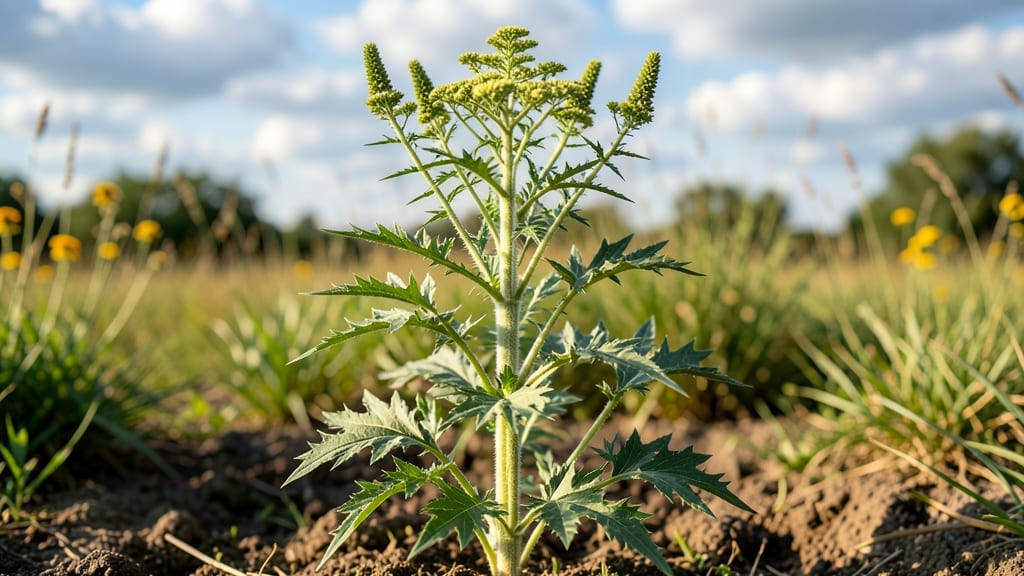
Ragweed does flower 🌾, and those tiny, greenish blooms are the main culprits behind late-summer allergy misery for millions.
If you’ve ever wondered why your allergies spike in late summer and fall, the answer might be hiding in your backyard—or even the wildflower fields nearby. Ragweed’s pollen travels for miles, and its flowers release massive amounts of it, making them a top allergen trigger.
These flowers appear from late summer into early fall, with peak pollen production lasting 6 to 8 weeks. That’s why allergy sufferers dread this time of year—ragweed doesn’t just bloom; it dominates the air with pollen.
In this guide, I’ll break down exactly when ragweed flowers, how long the pollen lingers, and practical tips to reduce your exposure—whether you’re dealing with it in your garden, yard, or nearby fields.
When does ragweed flower: seasonal timeline & pollen release patterns
Yes, ragweed does flower, and its blooms are the primary culprit behind late-summer allergy seasons. These tiny green flowers may look harmless, but they produce staggering amounts of pollen—up to 1 billion grains per plant—that can travel miles on the wind.
Understanding their flowering timeline helps you prepare for peak allergy months and take control of unwanted growth in your yard.
Ragweed typically begins flowering in late July or August across most of the U.S., with pollen release continuing until the first hard frost in fall. This 4-6 week bloom window aligns with when allergy sufferers experience their worst symptoms.
The exact timing varies by region, elevation, and weather patterns, but the pattern remains consistent year after year.
| Region | Flowering Start | Peak Pollen Months | End Date | Key Influences |
|---|---|---|---|---|
| Northeast | Late July | August-September | Mid-October | Humidity, coastal winds |
| Midwest | Early August | August-October | Late October | Drought conditions |
| South | Mid-July | July-September | November | Longer growing season |
| West | Late August | September-October | Early November | Desert heat, elevation |
Temperature plays a crucial role in triggering ragweed blooms. Plants typically require consistent daytime temps above 70°F to begin flowering, which explains why southern regions see earlier starts. Rainfall patterns also matter—drought stress can delay flowering, while abundant moisture may extend the pollen season by keeping plants healthy longer.
Geography matters too. Ragweed thrives in disturbed soils, like construction sites or garden edges, where competition is low.
In urban areas, it often grows along sidewalks, parking lots, and vacant lots. Wind patterns carry pollen far beyond where the plants grow, which is why allergy sufferers may react even when no visible ragweed exists nearby.
One surprising fact: ragweed flowers are self-pollinating but still release massive pollen clouds because each plant produces thousands of blooms. The greenish flower clusters (technically called spikes) appear at the tops of stems and can grow up to 1 foot long.
These aren't the showy blooms you'd expect, but their pollen is highly allergenic.
To predict local ragweed activity, check your USDA hardiness zone. Plants in Zones 5-9 follow the general timeline above, while those in Zones 10+ may bloom year-round in ideal conditions. Elevation also shifts timing—mountain regions often see delayed flowering due to cooler temperatures.
If you're planning outdoor activities during allergy season, monitor pollen forecasts from sources like the National Allergy Bureau. Ragweed pollen counts peak in late morning to early evening, so scheduling outdoor tasks for rainy days or early mornings can reduce exposure significantly.
For gardeners, the key takeaway is early intervention. Pulling young ragweed plants before they flower prevents pollen spread. Even a single mature plant can contaminate an entire neighborhood, so vigilance pays off. Consider wearing a mask and gloves when removing these tough weeds to avoid skin irritation.
While you can't stop ragweed from flowering entirely, understanding its seasonal patterns helps you prepare. Keep antihistamines handy, check pollen reports daily, and take steps to reduce local growth. With the right knowledge, you can minimize allergy symptoms and enjoy your outdoor space year-round.
How long ragweed blooms: duration of pollen production & life cycle
Ragweed’s pollen-producing blooms are infamous for triggering allergies, but how long do these plants actually flower? The answer depends on the specific ragweed species and environmental conditions. Most varieties follow a predictable life cycle, with pollen production lasting 4-6 weeks per plant once flowering begins.
Understanding this timeline helps gardeners and allergy sufferers prepare for peak pollen seasons. Ragweed typically starts blooming in late summer, with the most intense pollen release occurring in August and September. However, some varieties may continue producing pollen into early October, depending on local climate.
Key Stages of Ragweed's Pollen Production
- 🌱 Germination: Seeds sprout in spring (April-May) after warm temperatures trigger growth.
- 🌿 Vegetative Growth: Plants reach 1-5 feet tall by mid-summer, storing energy for flowering.
- 🌾 Flowering Begins: Tiny greenish-yellow blooms appear in late July-August, marking the start of pollen production.
- 🌬️ Peak Pollen: 4-6 week window of heavy pollen release (August-September), worst for allergies.
- 🌾 Seed Production: Plants develop spiky seed heads in fall, dispersing up to 1,000 seeds per plant.
- ❄️ Dormancy: Stems die back by first frost, but seeds remain viable in soil for years.
Most ragweed species are annual plants, meaning they complete their entire life cycle—from seed to pollen production to seed dispersal—in just one growing season.
This contrasts with perennial ragweed varieties, which may regrow from roots each year, potentially extending pollen production by 1-2 weeks if conditions are favorable.
Temperature plays a crucial role in ragweed's flowering duration. Cooler fall temperatures can shorten the bloom period, while warm, dry conditions often prolong pollen production. In southern U.S. regions, ragweed may bloom as early as July, while northern areas typically see later blooms in August or September.
If you're dealing with ragweed in your garden, the key to minimizing allergens is early intervention. Pulling plants before they flower (typically in June-July) can significantly reduce pollen spread. For severe infestations, consider mulching or solarization to prevent seed germination in the first place.
Remember, ragweed's pollen can travel miles on wind currents, so even if you don't see plants nearby, their pollen might still be affecting your allergies. Keeping track of local pollen forecasts and monitoring ragweed growth in your area can help you plan ahead for allergy season.