
Propagation
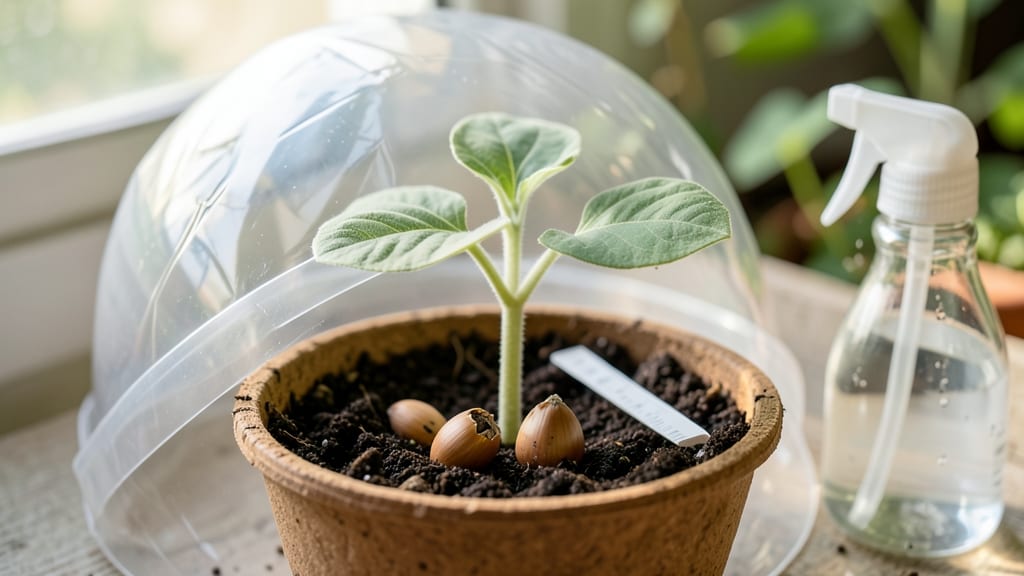
The demonstrative sunflower seed germination time typically ranges from 7 to 14 days when planted under ideal conditions, but that timeline can swing wildly depending on the variety and how you prep them.
Picture this: you’ve just tucked those big, striped seeds into the soil, dreaming of towering 🌻 stalks by summer, only to wait weeks with no sign of life. That’s the frustration of slow germination—and it’s avoidable with the right tricks.
From pre-soaking seeds to keeping the soil warm and moist, small tweaks can cut your wait time in half. I’ll walk you through the fastest-sprouting varieties, the temperature sweet spot, and the one mistake that turns 7 days into 3 weeks.
By the end, you’ll know exactly when to expect those first green shoots—and how to make sure they arrive on schedule.

Sunflower seed germination time by variety: fastest to slowest sprouting
If you've ever wondered why your sunflower seeds take different amounts of time to sprout, the answer lies in the variety you're growing. Some sunflower types like Autumn Beauty can push through soil in just 3-5 days, while others like Russian Giant may take 14-21 days to crack open.
Understanding these timelines helps you plan your garden and avoid unnecessary worry when those first green shoots don't appear immediately.
The key factors controlling germination speed are soil temperature, moisture levels, and the specific sunflower variety. Most seeds need soil temperatures between 70-90°F (21-32°C) to germinate quickly.
Below 60°F (15°C), sprouting can stall for days or weeks. Even with perfect conditions, some heirloom varieties simply have slower genetic programming than hybrid types bred for fast germination.
Below is a detailed comparison of popular sunflower varieties, ranked from fastest to slowest germination. Use this as your guide to set realistic expectations and optimize your planting schedule for the biggest, healthiest blooms.
For the fastest germination results, aim to plant seeds when your soil temperature consistently stays above 70°F (21°C). Use a soil thermometer to check—most garden centers sell them for under $10.
If your spring soil is still cool, consider using a seedling heat mat ($15-$25) to maintain optimal temperatures until sprouts appear.
Moisture is just as critical as temperature. Keep the soil consistently damp (not soggy) during germination. A spray bottle works well for gentle watering, especially in containers. Overwatering can suffocate seeds, while letting the soil dry out completely will halt germination entirely.
Aim for about 1 inch of water per week once seeds have sprouted.
If
How to speed up sunflower germination: pro tips for faster sprouting
Sunflower seeds can be surprisingly slow to sprout if conditions aren't just right. The average sunflower seed germination time is 7–14 days, but with the right tricks, you can cut that down to just 3–5 days in ideal conditions.
The key lies in controlling three critical factors: soil temperature, moisture balance, and seed preparation. Let’s break down exactly how to optimize each for faster, more reliable sprouting.
Many gardeners unknowingly sabotage their sunflower seeds by making simple mistakes. Overwatering, planting too deep, or letting soil temperatures dip below 60°F (15°C) can stretch germination time by weeks. Even old or stored seeds lose viability over time, making them sluggish to sprout.
The good news? With a few targeted adjustments, you can transform your germination game and get those cheerful sunflower seedlings popping up in record time.
A common misconception is that bigger sunflower seeds need more time to sprout. In reality, their size doesn’t affect germination speed—it’s all about the conditions you provide. For example, Teddy Bear sunflowers often sprout faster than Russian Giant varieties because they’re bred for quicker germination.
To test your soil’s readiness, use a soil thermometer; if it reads below 60°F (15°C), your seeds will hesitate to break through.
If you’re starting seeds indoors, place your trays on a seedling heat mat ($15–$25) to maintain optimal warmth. For outdoor planting, choose a sunny spot where soil warms up quickly, like near a south-facing wall.
Avoid planting in cool, damp soil, which invites fungal diseases like damping-off—a silent killer of young seedlings. Pro tip: Use sterilized potting mix or add a sprinkle of cinnamon to deter pathogens.
One of the fastest ways to see results is to pre-soak your seeds. Simply place them in a bowl of warm water for 12–24 hours before planting. This hydrates the seed’s core and can reduce germination time by 30–50%.
After soaking, plant them in warm, moist soil and cover lightly with a thin layer of seed-starting mix. Keep the soil consistently damp (like a wrung-out sponge) until sprouts appear.
Remember, patience is part of the process—but why wait longer than necessary? By mastering these sunflower germination hacks, you’ll enjoy faster sprouts, healthier seedlings, and a head start on growing those towering sunflowers you love. Happy planting! 🌱