
Flowers
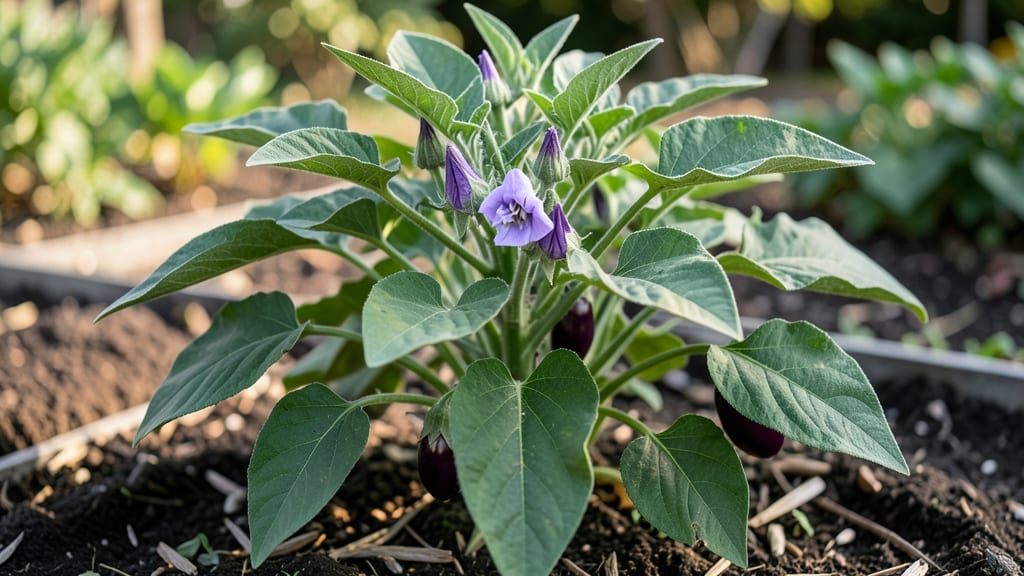
Eggplant flower buds are the gateway to a bountiful harvest — but when they drop before blooming, it’s enough to make even the most patient gardener throw their hands up.
You’ve nurtured your 🍆 plants through late spring and early summer, only to watch those delicate buds fall away like confetti. The frustration is real, but the fix might be simpler than you think. Understanding why this happens—and how to prevent it—can turn a failed crop into a garden triumph.
From temperature swings to nutrient imbalances, there are clear reasons behind bud drop, and most of them are within your control. In this guide, I’ll walk you through the science of eggplant flowering, the most common pitfalls, and the practical steps to keep those buds blooming and fruiting like clockwork.
By the end, you’ll know exactly how to give your eggplants the care they need to go from dropping buds to delivering plump, glossy fruits—no guesswork required.
Common reasons eggplant flower buds fall off before blooming
Eggplants are finicky when it comes to flowering, and bud drop before blooming is a frustrating but common problem. When your eggplant flower buds fall off prematurely, it’s usually a sign your plant is stressed—whether from environmental factors, poor nutrition, or pests.
Understanding these triggers is the first step to saving your harvest. I’ve seen this happen in my own garden, and once I identified the root causes, my eggplant production improved dramatically.
Eggplants are sensitive to their growing conditions, and even minor imbalances can cause flower bud abortion. The good news is that most issues are preventable with the right adjustments.
Whether you’re dealing with heat stress, nutrient deficiencies, or watering inconsistencies, knowing how to spot these problems early can make all the difference. Let’s break down the most common reasons your eggplant buds are falling off before they even bloom.
- 🌡️ Temperature extremes (too hot or cold) disrupt pollination hormones, causing buds to drop.
- 💧 Inconsistent watering leads to stress, making buds vulnerable to falling off.
- ⚡ Nutrient imbalances (especially low calcium or phosphorus) prevent proper bud development.
- 🐛 Pests or diseases (like aphids or powdery mildew) drain energy, causing buds to abort.
- 🌱 Overcrowding or poor airflow increases humidity, promoting fungal issues that attack buds.
One of the most common culprits is temperature stress. Eggplants thrive in warm conditions but struggle when temperatures dip below 55°F or rise above 90°F.
Extreme heat can cause flower bud abortion by disrupting the plant’s hormonal balance, while cold snaps weaken the plant’s ability to support developing buds. I’ve noticed this most often in early spring or late summer when temperatures swing unpredictably.
If your garden is in a hot climate, provide afternoon shade to protect buds from wilting.
Another major factor is watering inconsistencies. Eggplants need consistent moisture, but they hate soggy roots or drought stress. When soil dries out too much or stays waterlogged, the plant diverts energy away from bud development to survive.
I’ve found that deep watering every 2-3 days (rather than light daily sprinkles) keeps roots happy and buds secure. Always water at the base to avoid wetting the leaves, which can promote fungal diseases that further stress the plant.
Nutrient deficiencies are often overlooked but play a huge role in bud drop. Eggplants need a balanced diet, especially calcium and phosphorus, to support flower and fruit development. A deficiency in these nutrients can cause buds to fall off before blooming. I recommend using a balanced fertilizer (10-10-10) every 4-6 weeks during the growing season. For a quick fix, you can also apply calcium-rich amendments like crushed eggshells or gypsum to the soil.
Pests and diseases can also sabotage your eggplant’s flowering efforts. Aphids, spider mites, and whiteflies suck sap from the plant, weakening it and causing buds to drop. Even fungal issues like powdery mildew or early blight can stress the plant to the point of bud abortion.
I’ve had success using neem oil or insecticidal soap to keep pests at bay, and applying copper fungicide preventatively if your garden is prone to fungal diseases.
Finally, poor airflow and overcrowding create the perfect conditions for fungal diseases and pest infestations. When plants are too close together, humidity builds up, and buds become susceptible to rot or infection.
To improve airflow, space your eggplants 18-24 inches apart and prune any crowded foliage. I’ve also found that mulching around the base helps regulate soil temperature and retain moisture without inviting pests.
If you’ve identified one of these issues in your garden, don’t panic—most are easily fixable. The key is to act quickly and provide the conditions your eggplants need to thrive. With the right adjustments, you’ll see stronger buds, better blooms, and a bountiful harvest. 🌱
Step-by-step fixes to save your eggplant flower buds
If your eggplant plants are producing buds that drop before blooming, don’t panic—this is often a fixable issue. The key is identifying the specific stressor and addressing it with targeted care.
I’ve saved countless plants by adjusting just a few key factors, and you can too. Let’s start with the most common fixes that work for me every season.
First, check your watering routine. Eggplants need consistent moisture, but overwatering or uneven watering can cause buds to fall. I water mine deeply once every 3-5 days, ensuring the soil stays evenly moist but never soggy.
A simple soil moisture test with your finger can help you gauge when it’s time to water again.
⚠️ WARNING: Common Mistakes That Kill Eggplant Buds
⚠️ Extreme temperature swings – Eggplants thrive in 70-85°F. Buds fall when temps drop below 55°F or rise above 95°F. Use shade cloth in peak summer or row covers for early/late season protection.
⚠️ Nutrient imbalances – Too much nitrogen (common in lawn fertilizers) promotes leafy growth at the expense of flowers. Switch to a balanced 10-10-10 NPK fertilizer when buds form, and avoid high-nitrogen feeds.
⚠️ Pest infestations – Aphids, spider mites, and flea beetles suck sap from buds, causing them to wither. Inspect leaves daily and spray with neem oil or insecticidal soap at the first sign of pests.
Next, let’s talk fertilization. Eggplants need a balanced diet, especially when buds form. I switch to a low-nitrogen, high-phosphorus fertilizer (like 5-10-10) to encourage flowering. Apply it every 4-6 weeks during the growing season, always watering the soil first to prevent root burn.
Organic options like bone meal or compost tea work wonders too.
Protecting your plants from temperature stress is another game-changer. Eggplants are heat-loving but can’t handle sudden cold snaps. If your area experiences unexpected chilly nights, cover plants with frost blankets or move potted plants to a sheltered spot.
For extreme heat, use shade cloth (30-50%) to prevent buds from wilting in the sun.
Finally, don’t overlook organic pest control. Aphids and spider mites are notorious for attacking eggplant buds. I spray my plants with a homemade neem oil solution (1 tsp neem oil + 1 tsp mild soap per quart of water) every 7-10 days as a preventative measure.
For heavier infestations, introduce beneficial insects like ladybugs or lacewings to your garden ecosystem.
Here’s a quick troubleshooting checklist to save your eggplant buds: ☑️ Test soil moisture—is it consistently damp but not waterlogged? ☑️ Check fertilizer—are you using a balanced NPK (like 10-10-10)? ☑️ Monitor temps—are buds exposed to extreme heat or cold? ☑️ Inspect leaves—are pests like aphids or mites present? ☑️ Prune excess leaves—focus energy on bud development by removing lower foliage.