
Flowers
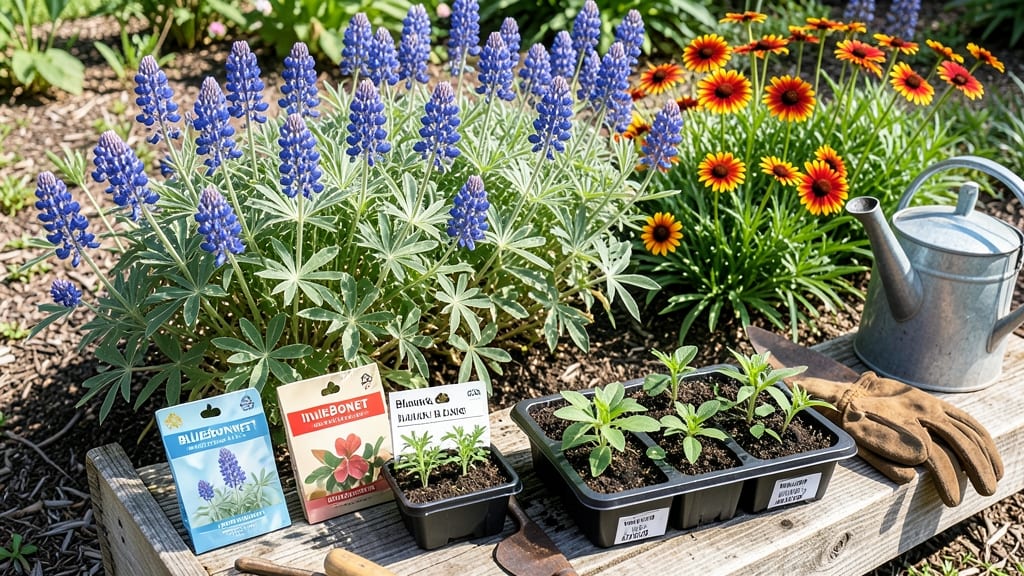
Planting flower seeds in Texas at the right time means the difference between a garden bursting with 🌸 blooms and one that fades before summer.
Texas gardeners know timing is everything—plant flower seeds too early, and frost will wipe them out; too late, and summer heat will stifle growth.
But with Texas' diverse climate zones, knowing exactly when to plant each flower type can mean the difference between a thriving garden and a sad, wilted disappointment.
From North Texas' last frost in mid-February to South Texas' balmy winters, the ideal planting window shifts dramatically. Annuals like zinnias and marigolds thrive when sown after the last frost date, while perennials like black-eyed Susans benefit from a fall start.
Below, I break down the month-by-month schedule tailored to your zone, plus heat-smart tips to keep your flowers flourishing all season.
You'll discover the best months for each flower type, how to adjust for Texas' extreme heat, and which varieties handle our climate like pros. Let’s get those seeds in the ground at the perfect moment!
Texas flower planting calendar: month-by-month seed starting guide
Texas' diverse climate zones—from North Texas' cooler winters to South Texas' long growing seasons—mean no single planting schedule fits all. Annuals like zinnias thrive in spring, while perennials like black-eyed Susans need fall prep.
I’ll break down the best months for each zone, so you can avoid frost damage or heat stress and enjoy continuous blooms year-round.
First, know your frost dates: North Texas (Zone 8a) averages last frost around February 15, while South Texas (Zone 9b-10a) rarely sees frost. Central Texas (Zone 8b) falls in between.
Use these as your guideposts—planting too early risks frost, and too late risks summer’s relentless heat. For heat-sensitive annuals, aim for spring or fall planting.
Pro Tip: Start heat-loving annuals like marigolds indoors 6-8 weeks before last frost in North Texas, or direct-sow them in March-April. In South Texas, you can plant year-round with proper watering, but focus on spring (Feb-Apr) and fall (Sep-Oct) for best results.
| Zone | Best Planting Months | Flowers to Plant | Notes |
|---|---|---|---|
| North Texas (8a) | March-April, September-October | Marigolds, Zinnias, Snapdragons, Cosmos | Avoid late spring planting—heat stress is high. |
| Central Texas (8b) | February-April, August-October | Black-Eyed Susans, Coneflowers, Lantana, Petunias | Fall planting extends blooms into winter. |
| South Texas (9b-10a) | Year-round (with adjustments) | Sunflowers, Salvia, Gaillardia, Portulaca | Plant in fall for spring blooms or spring for summer color. |
| All Zones | Indoor Start: January-February | Tomato Flowers, Basil Flowers, Nasturtiums | Use grow lights for 6-8 hours/day. |
In North Texas, focus on cool-season annuals like pansies and sweet alyssum for spring color. Sow seeds indoors in February or direct-sow in March after the last frost. For summer blooms, opt for heat-tolerant zinnias or marigolds—plant these in late April to early May.
Central Texas gardeners have more flexibility. Perennials like coneflowers can be planted fall or spring, but annuals like cosmos self-seed prolifically if sown in March or September. I’ve found that fall-planted cosmos often outperform spring plantings, blooming earlier and longer.
South Texas gardeners can push the limits! Direct-sow sunflowers in January for spring blooms, or plant portulaca in August for heat-resistant summer color. Just ensure daily watering during extreme heat (above 100°F) to prevent stress. Native Texas wildflowers like gaillardia thrive here with minimal care.
For perennials, timing matters less but still matters. Black-eyed Susans and coneflowers should go in the ground in fall (September-October) so roots establish before winter. In North Texas, this means planting 6-8 weeks before first frost—usually by mid-October.
Extend your season with shade cloth or row covers for late spring plantings. I’ve used 30% shade cloth to protect delicate petunias in June plantings in Central Texas, buying an extra 4-6 weeks of growth before summer’s peak heat.
Remember: Soil temperature is key. Use a soil thermometer—most seeds need 60-70°F soil to germinate. In North Texas, wait until soil warms to 65°F (usually mid-April) for warm-season annuals. In South Texas, you can plant year-round, but spring and fall yield the best results.
Start with easy-to-grow annuals like marigolds or zinnias to build confidence. Once you’ve mastered timing, experiment with perennials like salvia or native bluebonnets for low-maintenance beauty. With this calendar, you’ll avoid the common mistakes
How to adjust planting times for Texas heat zones (and avoid common mistakes)
Texas' extreme heat can turn your flower garden into a wilted mess if you don't adjust planting times. The key is understanding how heat zones affect seed germination and growth. For example, North Texas (Zone 8a) has later frost dates than South Texas (Zone 10a), so timing must shift accordingly.
Even heat-loving flowers like zinnias need strategic planting to avoid stress.
One of my biggest mistakes was planting marigold seeds too early in Central Texas—they bolted before blooming. Now, I wait until mid-April for heat-tolerant varieties. The solution?
Start seeds indoors in late winter for a head start, then transplant after soil temperatures hit 65°F. This gives delicate seedlings time to establish before the 100°F+ summers arrive.
⚠️ callout warning ⚠️
Texas heat tricks gardeners into thinking plants need more water. But overwatering during 100°F+ days suffocates roots. Instead, water deeply early morning (before 9 AM) and use drip irrigation to keep foliage dry. Mulch heavily (3-4 inches) to retain moisture without soggy soil.
Pro Tip: Stick your finger 2 inches into soil—if dry, water; if damp, wait. Most Texas natives (like black-eyed Susans) thrive on weekly deep waterings rather than daily shallow ones.
To extend your blooming season, use shade cloth (30-50%) over new seedlings during peak afternoon heat. This buys time for cool-season flowers like pansies to establish before summer arrives.
I’ve seen calendula and nasturtiums flourish under shade cloth in July when planted in late spring—something that would never survive direct sun.
Choose heat-resistant varieties like Lantana or Mexican Sunflower, which handle 110°F+ with ease. These thrive when planted in late spring (May-June) after the worst heat waves pass. For annuals, succession planting every 2-3 weeks ensures continuous blooms.
My zinnias planted in June still bloom in October—proof that timing and variety matter more than luck.
5 Signs You’re Planting Too Late:
- Seedlings emerge but stunt immediately—heat stress halts growth.
- Leaves turn yellow or brown within days of transplanting.
- Flowers bolt (send up seed stalks) before opening.
- Soil stays too hot (>90°F) for seed germination.
- Pests (aphids, spider mites) attack weakened seedlings faster.
For fall planting, aim for 6-8 weeks before first frost (typically September-October). Cool-season flowers like snapdragons and stock love this window. I’ve had cosmos reseed themselves in November for spring blooms—nature’s way of rewarding patience.
The secret? Test soil temps (use a soil thermometer)—ideal germination range is 60-75°F.