
Flowers
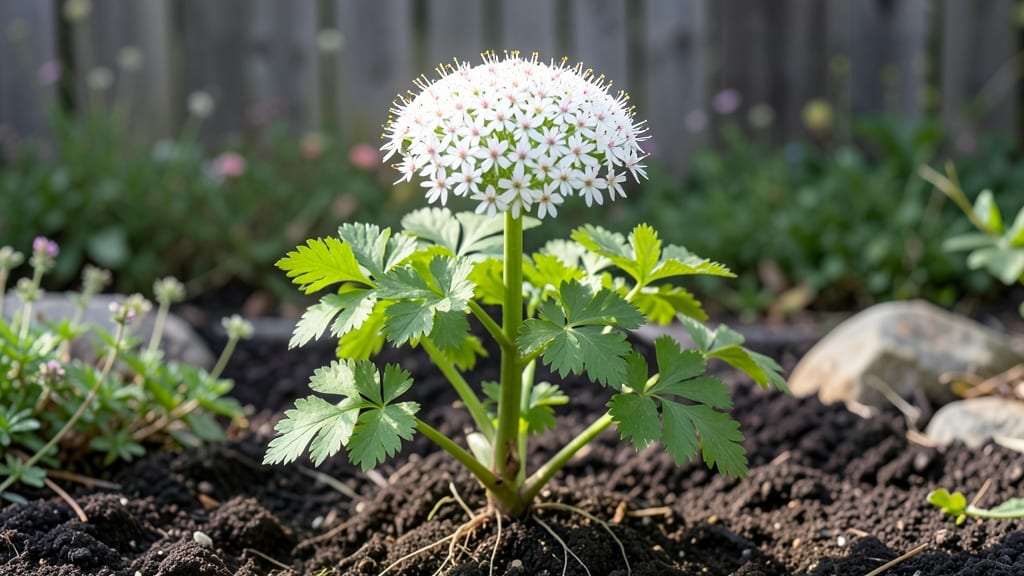
Your cilantro plant’s sudden white or yellow flowers 🌿 aren’t a mistake—they’re a sign the herb is doing exactly what it’s supposed to do.
But if you planted cilantro for its bright green leaves, those delicate blooms can feel like a betrayal. The good news? You can still salvage your harvest—or even turn those flowers into something useful.
Heat, long daylight, or over-maturity trigger bolting, but with a few simple tweaks, you can delay flowering or even encourage it for seeds or pollinator-friendly gardens.
Here’s how to keep your cilantro leafy and flavorful—or embrace the blooms for a new culinary adventure.

Why cilantro plants flower: the science behind the blooms
Cilantro (Coriandrum sativum) is a self-seeding annual herb that grows for one season before producing flowers. When you see those delicate white or yellow blooms, it’s actually a sign of maturity—not a problem.
These flowers mark the plant’s transition from leaf production to seed development, a natural part of its genetic life cycle. Understanding why this happens helps you decide whether to embrace the blooms or take steps to delay them for leaf harvest.
The primary triggers for cilantro flowering are heat stress, day length, and the plant’s age. Cilantro is a cool-season crop, meaning it bolts (rapidly flowers) when temperatures rise above 75°F (24°C).
Even in mild climates, older plants will eventually flower as their internal clock signals maturity. This process is called photoperiodism, where the plant responds to daylight hours.
| Trigger | Effect on Plant | Solution to Manage |
|---|---|---|
| Heat Stress (75°F+) | Accelerates flowering, reduces leaf quality | Use shade cloth (30-50%) |
| Long Daylight (14+ hours) | Triggers bolting in mature plants | Plant in spring/fall, avoid summer |
| Plant Age (45+ days) | Natural transition to flowering | Harvest leaves before flowering |
| Nutrient Imbalance | Excess nitrogen delays blooms; deficiency speeds them up | Use balanced fertilizer (5-10-10) |
| Overcrowding | Competes for resources, stresses plants | Thin seedlings to 6-8 inches apart |
Flowering isn’t always a sign of stress—it’s often a healthy response to environmental cues. However, if your cilantro bolts too early, it may indicate environmental mismanagement. For example, planting in hot summer months or using poor-draining soil can trigger premature flowering.
The key is to monitor your plant’s conditions and adjust care accordingly. In some cases, like organic gardening, allowing cilantro to flower is beneficial for harvesting seeds.
Cilantro’s flowering phase is also tied to its self-seeding nature. Once flowers appear, they develop into seed pods that scatter new plants. This makes cilantro a perennial volunteer in many gardens—it may return year after year if conditions are right.
If you’re growing cilantro for culinary use, you’ll want to harvest leaves before flowering to avoid bitter flavors, which develop as the plant matures.
Another critical factor is soil fertility. While cilantro doesn’t need rich soil, a nutrient imbalance can accelerate flowering. Too much nitrogen can delay blooms, but a deficiency in phosphorus or potassium may speed them up.
Aim for well-draining, slightly acidic soil (pH 6.2-6.8) to support healthy growth. Amend your soil with compost before planting to provide a balanced foundation.
Daylight plays a surprising role in cilantro’s life cycle. This herb is sensitive to day length, a trait called long-day plant response. When days exceed 14 hours of light, cilantro receives a signal to flower.
This is why spring and fall plantings thrive—cooler temps and shorter days delay bolting. If you’re growing cilantro in hot climates, consider using shade cloth to mimic cooler conditions and extend the leaf harvest window.
Flowering can also be influenced by watering habits. While cilantro prefers consistent moisture, irregular watering or drought stress can trigger early blooming. Keep soil evenly moist but avoid waterlogging, which can cause root rot.
Water deeply in the morning to reduce evaporation and stress on the plant. Mulching around the base helps maintain soil moisture and temperature, further delaying flowering.
If you’re growing cilantro for seeds or pollinator gardens, flowering is a welcome event! The white or yellow blooms attract bees and other beneficial insects, making your garden more vibrant. After flowers fade, the seed pods form—these can be harvested and dried for next year’s crop.
Simply snip the pods when they turn brown and store them in a cool, dry place. This self-sustaining cycle is one of cilantro’s charming traits.
For home gardeners focused on leaf production, the best strategy is to harvest leaves regularly. Pinching back the outer leaves encourages bushier growth and delays flowering. If you notice flower stalks emerging, snip them immediately to redirect the plant’s energy into leaf production.
This technique works best when combined with proper spacing and consistent care.
How to encourage cilantro flowers for seeds or aesthetic appeal
If you’re ready to embrace your cilantro’s natural progression, encouraging those delicate white or yellow flowers is easier than you think. These blooms aren’t just a sign of maturity—they’re your plant’s way of producing seeds for the next generation.
With a few intentional adjustments, you can transform your cilantro patch into a seed-producing powerhouse or a stunning pollinator garden.
Whether you’re saving seeds for next year’s crop or simply love the aesthetic appeal of floral cilantro, the key lies in understanding what triggers these blooms. Heat stress, daylight exposure, and even the plant’s age play a role.
Let’s explore how to harness these factors to your advantage while keeping your garden thriving.
- 🌡️ Controlled Heat Exposure: Grow cilantro in mild temperatures (60–75°F) to delay bolting, but expose it to warmth spikes (80°F+) to trigger flowers. Use a greenhouse or cold frame in summer for gradual heat adaptation.
- 🌿 Prune Strategically: Pinch back flower stalks to redirect energy to leaf growth, but allow 1-2 stalks to flower if you want seeds. Use clean pruning shears to avoid disease.
- 🌱 Soil Conditions: Amend soil with compost and phosphorus-rich fertilizer (like bone meal) to encourage flowering. Avoid nitrogen-heavy feeds, which promote leafy growth instead.
- ☀️ Daylight Management: Cilantro flowers when days exceed 12–14 hours of light. Use shade cloth (30–50%) in summer to delay blooms, or move plants to full sun in fall for faster flowering.
- 🌾 Harvest Seeds: Let flower clusters dry on the plant or cut them and hang upside down in a paper bag. Seeds are ready when they turn brown and brittle (about 4–6 weeks after flowering).
For culinary or garnish uses, try incorporating cilantro flowers into dishes like salsas, soups, or teas. Their mild, citrusy flavor pairs beautifully with spicy or tangy ingredients. You can also dry the flowers and use them as a pollinator-friendly garnish for salads or cocktails.
If you’re growing cilantro for aesthetic appeal, let the flowers bloom fully and consider planting it alongside companion plants like nasturtiums or marigolds. The contrasting colors and textures create a stunning edible garden display that attracts bees and butterflies while adding visual interest.
Remember, cilantro’s life cycle is a balance—you can either delay flowering for leaf production or encourage it for seeds and beauty. The choice is yours, and with these methods, you’ll have the best of both worlds in your garden.