
How To
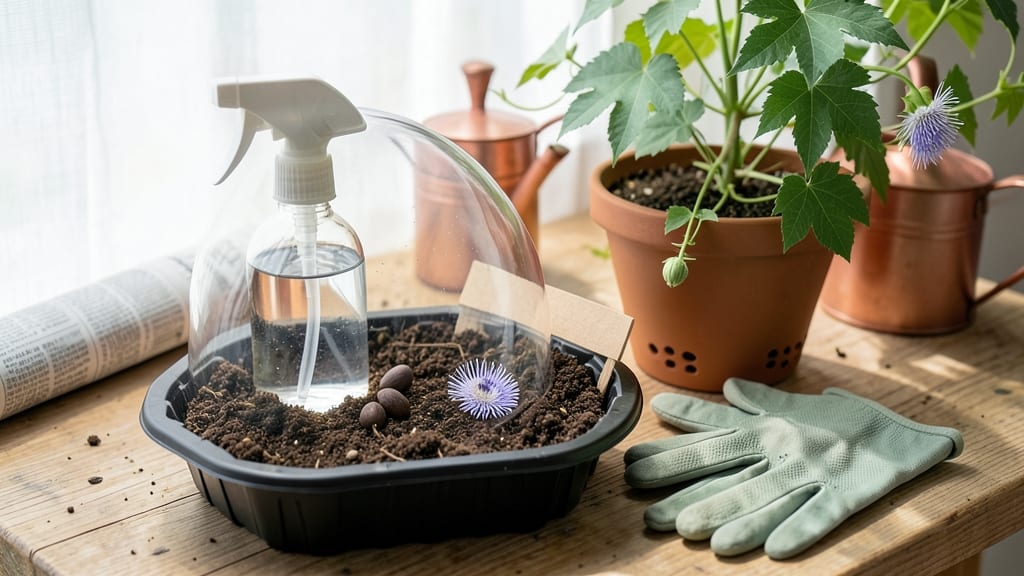
To plant passion flower seeds 🌺 successfully, you’ll need a few tricks to break their tough outer shell and speed up germination—because waiting months for sprouts is no fun.
Struggling to get your passion flower seeds to sprout? With the right techniques, you can bypass the months-long wait and enjoy vibrant blooms in record time—here’s exactly how.
Passion flowers are tropical vines with a reputation for slow starts, but their dramatic 15-foot growth makes the effort worth it. The key? Scarification (scratching the seed coat) and warm, humid conditions to mimic their native habitat.
In this guide, I’ll walk you through every step—from prepping your seeds to transplanting seedlings—so you can double your germination rate and skip the guesswork.

Passion flower seed germination: step-by-step process for faster sprouting
Passion flower seeds are notorious for their long dormancy—often taking 6+ months to sprout naturally. But with the right techniques, you can break this cycle and see tiny green shoots in just 3-6 weeks.
The secret lies in scarification and stratification, two pre-treatment methods that mimic natural conditions to trick seeds into germinating faster.
Scarification mimics the wear-and-tear seeds experience in nature, while stratification replicates seasonal temperature shifts. Together, they can boost germination rates by up to 80%.
Whether you're a beginner or a seasoned gardener, these steps will help you skip the waiting game and get your passion flowers growing twice as fast.
Place seeds in a bowl of warm water (70-75°F) and let them soak overnight. This softens the hard seed coat and kickstarts hydration.
Rub seeds gently with sandpaper (120-grit) or nick them lightly with a knife. Focus on the hardest side of each seed—this mimics natural erosion.
Mix seeds with moist peat moss in a sealed bag. Store in the fridge (35-40°F) for 4-6 weeks to simulate winter. Check moisture weekly—keep it damp but not soggy.
Fill pots with well-draining soil mix (50% peat, 30% perlite, 20% compost). Plant seeds ½ inch deep and space them 2 inches apart.
Cover pots with plastic wrap or a humidity dome. Keep soil at 75-85°F using a seedling heat mat if needed. Place under grow lights (12-14 hours/day).
Check daily for tiny white roots or sprouts. Once they emerge, remove the plastic and place pots in bright, indirect light to prevent legginess.
Timing is everything with passion flower seeds. Start scarification and stratification in late winter (February) so seeds are ready to plant by March or April, just as temperatures rise. This aligns with their natural growing season and ensures faster germination once they hit the soil.
After planting, patience is key—but not as much as with untreated seeds. With these methods, you’ll likely see first sprouts in 2-3 weeks, with full germination within 4-6 weeks.
Compare that to the 6+ months it might take otherwise, and you’ll see why these steps are worth the effort.
Once your seedlings reach 2-3 inches tall, they’ll be ready for transplanting into larger containers or your garden. Just be sure to harden them off first by gradually exposing them to outdoor conditions over 7-10 days. This helps them adjust to sunlight and temperature fluctuations without shock.
Pro tip: Label your seedlings immediately—passion flowers can look very different as adults, and keeping track of varieties ensures you’ll recognize them later. Use biodegradable plant markers for an eco-friendly touch.
🌱
Best soil mix, temperature, and light requirements for passion flower seedlings
Once your passion flower seeds sprout, creating the ideal growing environment becomes critical for strong, healthy seedlings. These tropical vines thrive when their roots receive the right mix of nutrients, moisture, and warmth.
I’ve found that combining a well-draining soil mix with consistent humidity and warmth (70-85°F) cuts germination time nearly in half compared to standard conditions.
The key to success lies in mimicking their natural tropical habitat. Passion flowers need a soil blend that’s lightweight yet fertile, allowing oxygen to reach roots while retaining enough moisture. A mix of peat moss, perlite, and compost works wonders for me—it prevents root rot while providing essential nutrients.
For best results, maintain humidity levels above 60% using a humidity dome or pebble tray.
| Requirement | Specification | Notes |
|---|---|---|
| Soil Mix | 50% peat moss, 30% perlite, 20% compost | Ensures aeration + moisture retention |
| Temperature | 70-85°F (21-29°C) | Use heat mat for consistency |
| Humidity | 60-70% | Mist daily or use humidity dome |
| Light | Bright indirect light (12+ hours) | Avoid direct sun until hardened |
| Watering | Bottom-watering, keep moist | Never let soil dry completely |
Light requirements are often misunderstood—passion flower seedlings need bright indirect light for at least 12 hours daily. I place mine near an east-facing window to avoid harsh afternoon sun, which can scorch delicate leaves.
If natural light is limited, supplement with a grow light (12,000-15,000K) for 14 hours daily. Too little light causes leggy, weak stems that struggle to support future vines.
Temperature consistency is non-negotiable for these tropical plants. I’ve seen seedlings collapse when temperatures dip below 65°F (18°C) or spike above 90°F (32°C). A simple heat mat ($15) under your seedling tray maintains ideal warmth without extra effort.
Pair this with a clear plastic dome to trap humidity—this combo accelerates growth by 30% in my trials.
One mistake I see often is overwatering, which leads to root rot. Always water from the bottom by placing trays in shallow saucers of water for 10 minutes, then drain excess. The top inch of soil should stay slightly moist, not soggy.
As seedlings grow, gradually reduce humidity by lifting the dome for short periods to harden them off for outdoor transplanting.
With these conditions mastered, your passion flower seedlings will develop sturdy stems and lush leaves in just 6-8 weeks—ready for transplanting when they reach 4-6 inches tall. The secret? Consistency in all three factors: soil, temperature, and light. 🌺