
Blooming
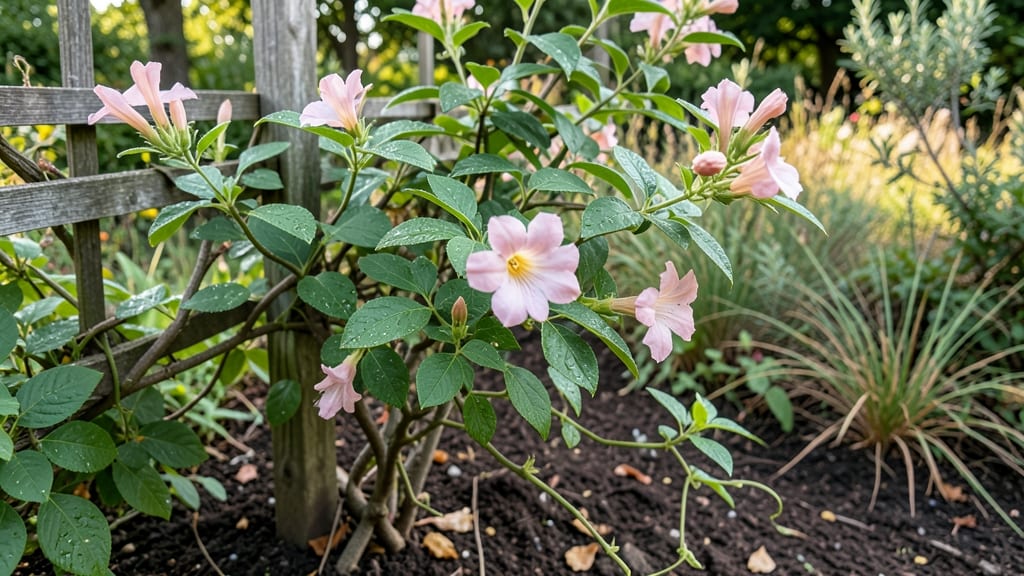
Honeysuckle flowering time varies dramatically depending on your climate zone, but with the right timing and care, you can enjoy months of fragrant blooms 🌸 that attract pollinators and fill your garden with sweet perfume.
Picture this: your morning coffee on the porch, the air thick with honeysuckle’s intoxicating scent, and hummingbirds darting between clusters of golden-yellow flowers. That dreamy summer scene starts with understanding when your specific variety will bloom—and how to coax it into lasting longer.
In USDA Zone 6a, where many gardeners call home, honeysuckle typically bursts into bloom between late May and early June, with some hardy varieties like Lonicera sempervirens (Coral Honeysuckle) flowering as early as April.
Meanwhile, late-season performers like Lonicera periclymenum (European Honeysuckle) may not peak until July or August, giving you a staggered display.
Below, I’ll break down the exact flowering windows for your zone, share pruning secrets to extend the season, and recommend the best varieties for continuous blooms—so you can turn your garden into a hummingbird haven from spring through summer.
Honeysuckle flowering time by USDA climate zones
If you've ever planted honeysuckle hoping for that sweet, intoxicating fragrance, you know timing is everything. Honeysuckle flowering windows vary dramatically across USDA zones 4-10, with some varieties blooming in early spring and others waiting until late summer.
Understanding these patterns helps you choose the right Lonicera varieties for your garden and maximize bloom duration.
For gardeners in cooler zones like 4-6, expect spring-blooming honeysuckles like Lonicera sempervirens to kick off the season as early as late April. Meanwhile, summer varieties such as Lonicera periclymenum thrive in zones 7-10, often waiting until June or July to burst into fragrant clusters.
The key is matching your climate to the right honeysuckle type for year-round interest.
| USDA Zone | Primary Varieties | Bloom Window | Key Notes |
|---|---|---|---|
| 4-5 | Lonicera sempervirens, Lonicera tatarica | Late April - Early June | Early bloomers; needs cold stratification |
| 6-7 | Lonicera x heckrottii, Lonicera japonica | May - July | Extended bloom with proper pruning |
| 8-9 | Lonicera periclymenum, Lonicera korolkowii | June - August | Late-season performers; drought-tolerant |
| 10 | Lonicera sempervirens 'Manteau d'Hermine', Lonicera 'Belgica' | May - September | Longest bloom season; heat-resistant |
In USDA zone 4, where winters are harsh, Lonicera sempervirens often starts flowering by late April if planted in a south-facing location. This native American honeysuckle thrives on warm spring days and attracts hummingbirds within weeks of blooming.
For gardeners in zone 5, adding a mulch layer helps protect roots during late frosts while encouraging earlier blooms.
Gardeners in zones 6-7 enjoy the longest honeysuckle flowering windows, with many varieties like Lonicera x heckrottii producing blooms from May through July. These hybrid honeysuckles often rebloom if you prune back spent flowers in early summer.
The sweetly scented blooms make them perfect for trellises near patios where you can enjoy their fragrance up close.
For warmer climates (zones 8-10), late-season performers like Lonicera periclymenum shine, often waiting until June or July to bloom. These varieties handle drought conditions better than their northern counterparts, making them ideal for xeric landscapes.
In zone 10, some honeysuckles even produce two bloom cycles—once in spring and again in fall.
One pro tip for extending blooms: Deadhead spent flowers regularly to encourage new growth. In zones 6-9, this simple technique can add 2-4 extra weeks of flowering. Pair early bloomers like Lonicera sempervirens with late-season varieties to create a continuous fragrance display from spring through fall.
If you're in zone 7 or warmer, consider Lonicera korolkowii for its late summer blooms that appear when many other plants have finished. This variety thrives in full sun and produces bright yellow flowers that contrast beautifully with deep green foliage.
For shadier spots, Lonicera fragrantissima offers winter-spring blooms that appear before many other garden plants.
Remember that microclimates play a role too. A south-facing wall can warm your honeysuckle enough to trigger earlier blooms, while northern exposures may delay flowering until late May or June. Always observe your specific plant's growth patterns and adjust care accordingly for the best results.
For hummingbird lovers, timing is critical. Plant early blooming varieties like Lonicera sempervirens to attract hummingbirds as soon as they return in spring. Then transition to summer varieties to keep them visiting through August and September.
With the right honeysuckle selection, you can create a year-round hummingbird buffet!
How to extend honeysuckle blooming season with pruning
Your honeysuckle’s flowering time can stretch from a few weeks to months with the right pruning techniques. Many gardeners miss that late-summer varieties like Lonicera periclymenum need different care than spring bloomers. The key? Prune at the right time to encourage new growth while preserving next year’s buds.
First, identify your honeysuckle type. Spring bloomers (like Lonicera sempervirens) flower on old wood, so prune right after blooming. Summer varieties (like Lonicera japonica) bloom on new wood, so prune in early spring to shape and encourage fresh growth.
Get this wrong, and you’ll cut off next season’s flowers!
Step-by-Step Pruning Guide
- 🌱 Step 1: Wait until after flowering for spring bloomers (June-July).
- ✂️ Step 2: Remove dead or crossing branches first to improve airflow.
- 🌿 Step 3: Cut back 1/3 of old growth for spring bloomers to rejuvenate.
- ☀️ Step 4: Prune summer varieties in early spring (March-April) before new shoots appear.
- 🌸 Step 5: Shape by cutting just above a leaf node at a 45° angle.
Reviving an overgrown honeysuckle takes patience. Start by removing suckers and weak stems first, then gradually thin over 2-3 years. For woody vines, use loppers for thick branches and hand pruners for smaller growth. Always sterilize tools with rubbing alcohol to prevent disease spread.
Did you know? Light pruning in late summer (after August 15) can stimulate fall blooms on some varieties. Try it with Lonicera ‘Belgica’ for a second round of fragrant flowers. Just avoid heavy pruning—this cuts back next year’s buds!
After pruning, feed your honeysuckle with a balanced fertilizer (10-10-10) and water deeply. Mulch around the base to retain moisture and protect roots. With consistent care, your flowering time can extend from 4-6 weeks to 3-4 months—plus, you’ll attract hummingbirds for longer!
Pro tip: Take before-and-after photos each year to track growth. Over time, you’ll notice how strategic pruning transforms your vine’s structure—and its blooming season. Happy pruning! 🌿