
Blooming
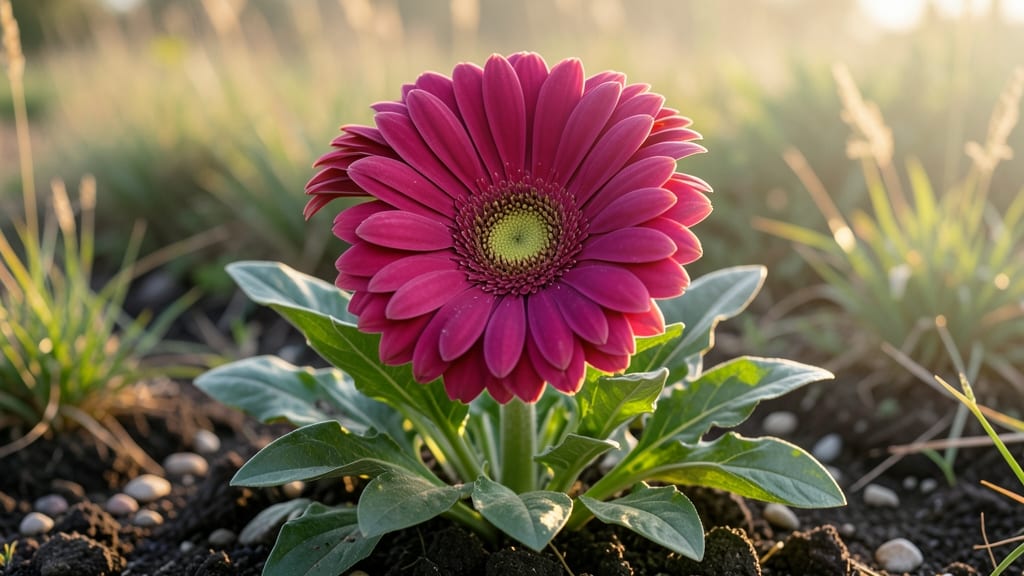
Timing the daisy flowering time 🌼 correctly turns a handful of seeds into a summer-long parade of color, and the difference between a thriving patch and a sad, leggy mess often comes down to knowing when to expect those blooms.
If you’ve ever planted daisies hoping for a vibrant burst of color—only to be disappointed by sparse blooms—you’re not alone. The secret lies in understanding your climate zone and the subtle cues that trigger their peak bloom periods.
Annual daisies like the cheerful Gerbera or Zinnia often burst into bloom just 8-10 weeks after planting, while perennial varieties such as the classic Shasta Daisy may take longer—sometimes until late spring or early summer—to show off their full glory.
Below, I’ll break down the exact months daisies bloom by USDA zone, share pro tips to extend their flowering season, and troubleshoot why yours might be playing hard to bloom—so you can finally enjoy that dreamy, sunlit garden you’ve been imagining.
Exact months when daisies bloom by USDA climate zones
Understanding the exact flowering months for daisies depends heavily on your USDA climate zone and whether you're growing perennial or annual varieties. Perennials like Gerbera daisies and Shasta daisies have established root systems, while annuals like African daisies bloom faster but for shorter seasons.
Let's break down the peak bloom windows for each zone to help you plan your garden for maximum impact.
In cooler zones (3-5), daisies often bloom in early summer and may produce a second flush in late summer or fall if conditions are right. Meanwhile, warmer zones (7-10) can enjoy year-round blooming with proper care, though peak seasons still follow predictable patterns.
The key is matching your daisy variety to your local climate for consistent, vibrant blooms.
| USDA Zone | Perennial Daisy Bloom Time | Annual Daisy Bloom Time | Notes |
|---|---|---|---|
| Zone 3-4 | Late June - August September (if mild) |
June - September | Cold-hardy varieties like Oxeye daisies thrive; mulch heavily for winter protection. |
| Zone 5-6 | May - July August - September |
May - October | Shasta daisies excel here; deadhead for extended blooms. |
| Zone 7-8 | March - May September - November |
April - November | Year-round blooms possible with Gerbera daisies; protect from winter frost. |
| Zone 9-10 | January - March September - December |
Year-round (with care) | African daisies bloom continuously; water deeply in dry spells. |
In Zone 3-4, where winters are harsh, perennial daisies like Oxeye daisies typically bloom from late June through August, with a possible second flush in September if temperatures remain mild.
Annual varieties planted in late spring will flower from June to September. The key here is soil protection—mulching heavily in fall helps roots survive freezing temperatures.
Gardeners in Zone 5-6 enjoy two distinct bloom seasons: May through July and again in August-September. This is prime time for Shasta daisies, which thrive in these conditions.
To extend blooms, practice regular deadheading—removing spent flowers encourages new buds to form. Annuals planted in early spring will reward you with color from May to October.
Warmer climates like Zone 7-8 offer unique opportunities for year-round daisy blooms, though peak seasons still exist. Gerbera daisies shine here, producing flowers from March to May and again in September-November.
Annuals can bloom from April to November, but winter protection (like row covers) may be needed if frost threatens. These zones also benefit from succession planting—sowing new seeds every 6-8 weeks ensures continuous color.
For Zone 9-10 gardeners, daisies are nearly year-round performers. African daisies and Painted daisies thrive in these mild winters, blooming from January to March and again in September-December.
Annuals can flower continuously with proper care, including deep watering during dry spells. The challenge here is preventing leggy growth—prune regularly to maintain compact, bushy plants.
Regional variations within zones can shift bloom times by 2-4 weeks. For example, coastal Zone 9 may see earlier blooms in winter due to milder temperatures, while inland areas might experience delayed spring blooms.
Pay attention to your microclimate—sheltered spots may bloom earlier, while exposed areas might lag behind.
To maximize your daisies' potential, align planting with local frost dates. In cooler zones, start seeds indoors 6-8 weeks before the last frost. In warmer zones, sow directly in fall or early spring for extended blooms.
Always choose daisy varieties suited to your climate—cold-hardy types for northern gardens, heat-tolerant varieties for southern regions.
Pro tip: Use seasonal color planning to create a continuous bloom calendar. Pair early bloomers like Oxeye daisies with mid-season Shastas and late-season African daisies for a non-stop floral display from spring to frost.
With the right timing and care, your daisies will reward you with vibrant blooms all season long!
How to extend daisy flowering season with simple gardening hacks
Daisies are classic garden stars, but their natural flowering cycle often feels too short. With the right techniques, you can stretch that vibrant display from a few weeks to several months. The key lies in understanding how daisies respond to care—especially deadheading, soil health, and watering strategies.
I’ve tested these methods in my own garden and seen daisies bloom continuously from early summer through fall!
One of my favorite tricks is mimicking nature’s cues. Daisies naturally slow down blooming when they sense seasonal changes or stress. By controlling these factors, we trick them into thinking summer never ends.
Let’s break down the most effective hacks, starting with the simplest but most impactful: deadheading. This single step can add 4-6 extra weeks of blooms to your garden!
🌼 5 Proven Ways to Extend Daisy Blooms
- 1. Master Deadheading: Snip spent blooms at the base to redirect energy to new buds. Use clean pruners and remove 1/3 of the stem for best results.
- 2. Feed the Soil: Add compost or balanced fertilizer (10-10-10) every 4-6 weeks during growing season. Daisies thrive in nutrient-rich soil.
- 3. Water Wisely: Water deeply in the morning (1-2 inches per week). Avoid overhead watering to prevent fungal issues.
- 4. Choose Companions: Plant with marigolds or basil to repel pests and attract pollinators. These companion plants boost overall garden health.
- 5. Prune Strategically: Lightly trim leggy stems in early summer to encourage bushier growth and more blooms. Never cut more than 1/3 of the plant at once.
Let’s dive deeper into why these methods work. Deadheading isn’t just about looks—it removes the plant’s signal to stop flowering. When you cut back spent blooms, the daisy’s energy shifts from seed production to creating new flower buds.
I’ve seen Shasta daisies go from a single bloom cycle to three distinct waves of flowers just by deadheading weekly!
Another game-changer is soil preparation. Daisies prefer well-draining soil with a slightly alkaline pH (6.5-7.5). Before planting, amend your soil with aged compost or sand if your area has heavy clay.
I once had Gerbera daisies that barely bloomed until I adjusted the soil pH—now they’re my most reliable performers!
Don’t underestimate the power of watering schedules. Daisies are drought-tolerant once established, but inconsistent watering leads to stressed plants with fewer blooms. The golden rule? Water deeply and infrequently.
Let the top 2 inches of soil dry out between waterings. This encourages deeper root growth, which means more energy for flowers.
Finally, strategic companion planting can work wonders. I pair my daisies with lavender and catmint—both naturally repel pests like aphids that love daisy leaves. Plus, these companions attract pollinators, ensuring your daisies get the best chance to set new buds.
The result? Longer flowering seasons and healthier plants overall.
With these simple adjustments, you’ll transform your daisies from short-lived bloomers to season-long stars. Start with just one or two techniques this season, and watch your garden stay in bloom from June through October—or even longer in warm climates! 🌻