
Propagation
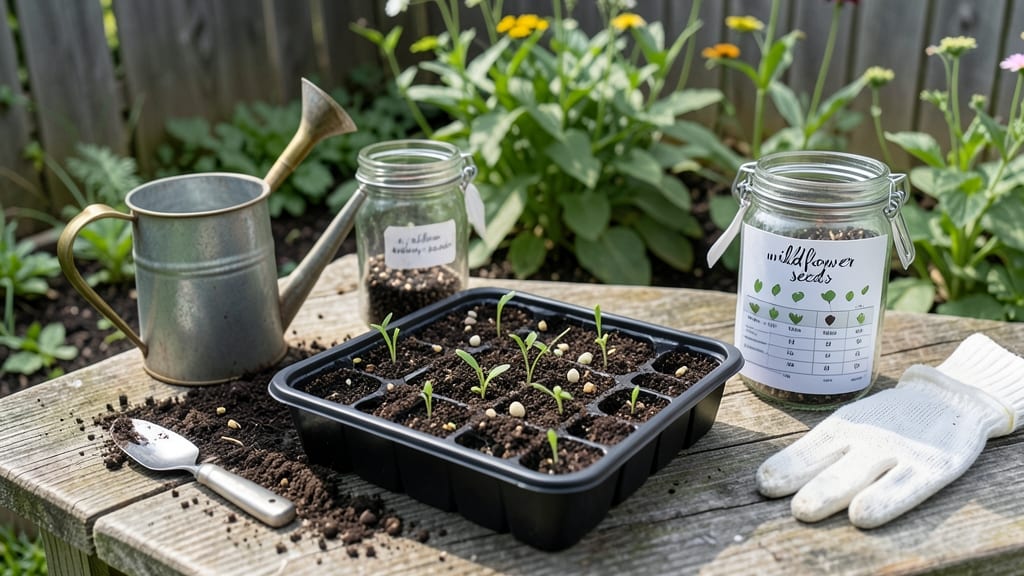
Wildflowers to germinate can take anywhere from 5 days to over a month, depending on the seed type and growing conditions.
Picture this: you’ve scattered your 🌼 wildflower seeds with high hopes, only to stare at bare soil for weeks, wondering if they’ll ever sprout. The truth? Germination speed isn’t just luck—it’s science.
Some varieties, like cosmos, pop up in as little as 7 days, while others, like black-eyed Susans, play the waiting game for 21 days or more. The key? Understanding what your seeds need to break dormancy and how to give them the best shot.
Soil temperature is the game-changer here. Most wildflowers crave warmth—think 60–85°F—but a chilly spring can stall germination for weeks. Moisture matters too: too little and seeds dry out; too much and they rot before they wake up.
Below, I’ll walk you through the exact timelines for popular wildflowers, plus pro tips to speed up those first green shoots—no more guessing games.
Ready to turn your patch of dirt into a blooming paradise? Let’s dive into the secrets of fast, reliable germination so you can enjoy your wildflower meadow sooner than you think.

Wildflower germination times by seed type: fastest to slowest sprouters
If you’ve ever eagerly waited for wildflower seeds to sprout, you know patience is key—but some varieties demand more of it than others.
The fastest-sprouting wildflowers like cosmos and sweet alyssum can appear in just 5–10 days, while others like black-eyed Susans or milkweed might take 14–21 days or longer. Understanding these timelines helps you plan planting schedules and manage expectations.
Biennials and self-seeding perennials often have unique germination patterns too, sometimes requiring cold stratification or scarification to break dormancy.
Germination speed isn’t just about the seed type—soil temperature and moisture levels play huge roles. For example, poppies and larkspur germinate best in cooler soils (around 60–65°F), while sunflowers and zinnias thrive in warmer conditions (70–85°F).
Even the depth of planting matters: tiny seeds like phlox need only a light press into the soil, while larger seeds like coreopsis can handle slightly deeper placement. Let’s dive into the specifics so you can time your planting for success.
| Wildflower Type | Germination Time | Ideal Soil Temp (°F) | Planting Depth | Notes |
|---|---|---|---|---|
| Cosmos | 5–10 days | 70–85°F | 1/8" | Fastest sprouter; self-seeds easily |
| Sweet Alyssum | 7–14 days | 65–75°F | 1/16" | Loves cool weather; great for borders |
| Poppies (Annual) | 10–21 days | 60–65°F | 1/4" | Needs cold stratification; avoid deep planting |
| Sunflowers | 7–14 days | 70–85°F | 1" | Large seeds; plant deeper than tiny flowers |
| Black-Eyed Susan | 14–21 days | 65–75°F | 1/4" | Biennial; may take longer in cool soil |
| Milkweed | 14–30 days | 70–80°F | 1/2" | Slow starter; essential for monarchs |
| Larkspur | 21–30 days | 60–65°F | 1/4" | Cool-season lover; may need stratification |
| Coreopsis | 10–21 days
How soil temperature affects wildflower germination speed (with ideal ranges)Soil temperature is the single most critical factor in wildflower germination speed. Most seeds need consistent warmth to break dormancy and sprout—typically between 60–85°F for optimal results. Cooler soils slow metabolism, while extreme heat can damage delicate embryos. Understanding these thresholds helps you time plantings perfectly for your climate. For example, cosmos and zinnia germinate fastest at 70–80°F, often sprouting in 5–10 days under ideal conditions. Meanwhile, black-eyed susans and coneflowers prefer 65–75°F and may take 14–21 days. Knowing your local soil temps ensures you don’t waste months waiting for sprouts that never come.
To test your soil temperature, use a soil thermometer buried 2 inches deep (where most wildflower seeds are planted). Morning readings between 70–80°F signal perfect conditions. If your soil runs cooler, try black plastic mulch or seedling heat mats to raise temps by 10–15°F. In cooler climates, opt for cold-hardy species like lupine or bluebonnets, which tolerate 50–60°F soils. Cold-soil delays are common in early spring or fall. If germination takes 3+ weeks beyond expected timelines, check for moisture issues or seed viability. A quick fix: soak seeds in lukewarm water for 24 hours before replanting. For stubborn seeds, try stratification—mimicking winter chills—to break dormancy. This works wonders for poppies and columbines, which often need 60 days of cold to germinate. Extending your growing season in cooler zones? Start seeds indoors under grow lights when soil temps dip below 55°F. Transplant seedlings outdoors only when nighttime temps stay above 50°F. For late-season plantings, use row covers to trap heat and accelerate sprouting. With these adjustments, you can enjoy year-round wildflower blooms—even in Zone 4 or 5. Remember: patience is key, but temperature control is your secret weapon. Monitor your soil closely, and soon you’ll be rewarded with vibrant wildflower meadows that bloom on schedule—no waiting games required. 🌱 |