
Plants
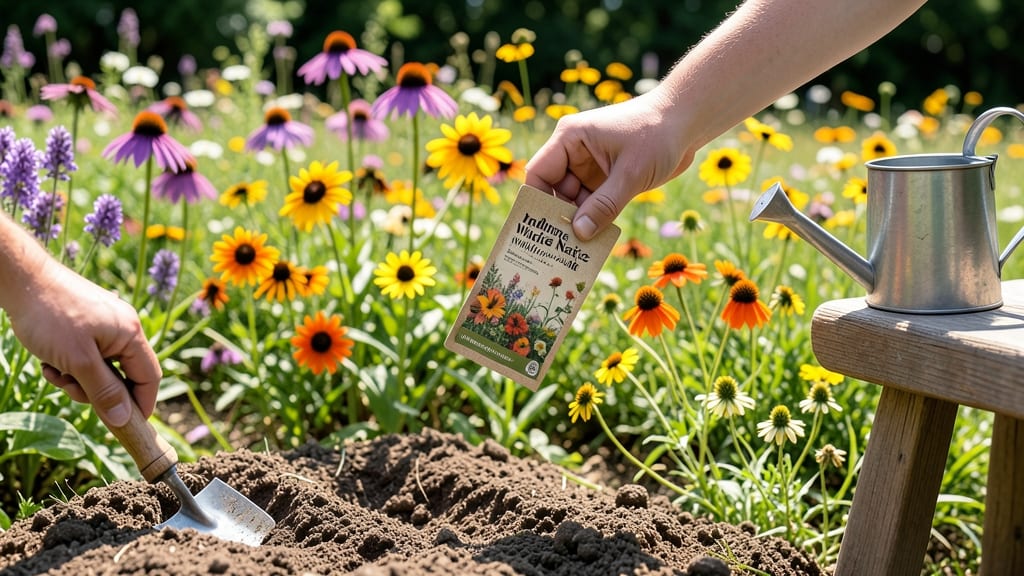
Planting wildflower seeds in Indiana at the right time ensures vibrant blooms from spring through fall, and the best windows are spring and fall for USDA Zones 5b-6b.
If you’ve ever scattered seeds in late spring only to watch them struggle through summer heat, you know timing is everything. Indiana’s climate—with its unpredictable frosts and scorching summers—means a single wrong week can turn a dreamy meadow into a patchy disappointment.
The key is aligning your planting with soil temperatures and frost dates. Spring is ideal for most wildflowers, but fall offers a second chance for hardy natives like black-eyed Susans and coneflowers to establish roots before winter.
Below, I break down the exact months, soil prep tricks, and seed mixes that thrive in Indiana’s sunny, pollinator-friendly conditions.
You’ll learn how to adjust for late frosts, choose the right seed blends, and even salvage a failed planting with simple strategies. By the end, your garden will be buzzing with bees and butterflies—all year long.
Best planting months for Indiana wildflowers by seasonal type
Indiana’s USDA Zones 5-6 offer two prime windows for wildflower planting: early spring and late summer. The key is matching seed types to seasonal conditions—cold-hardy natives thrive in March-April, while heat-tolerant annuals prefer August-September. Northern Indiana’s later frost dates (mid-April) shift timing slightly compared to southern regions.
For perennial wildflowers, like black-eyed susan or coneflower, aim for March-April planting when soil temps reach 40°F.
These species establish roots before summer heat arrives, ensuring stronger blooms in years two and three. Annual varieties, such as cosmos or zinnia, can handle late summer’s warmth and should go in August-September.
Native wildflowers often require stratification (a cold-moist period), so fall planting is ideal for species like purple coneflower or butterfly weed. This mimics natural conditions, boosting germination rates. Southern Indiana’s warmer microclimates may extend fall planting into early October, while northern areas should finish by mid-September.
| Season | Planting Window | Soil Temp | Best For | Notes |
|---|---|---|---|---|
| Spring | March-April | 40-50°F | Perennials, Cold-Hardy Natives | Avoid frost; wait for last frost date |
| Late Summer | August-September | 60-70°F | Annuals, Heat-Tolerant Species | Plant 6-8 weeks before first frost |
| Fall | September-October | 50-60°F | Native Wildflowers | Stratification for better germination |
| Winter (Special Cases) | December (Snow Cover) | 32°F or below | Hardy Perennials | Only for pre-stratified seeds |
My go-to strategy for Indiana gardens is to divide planting into two batches: spring perennials and fall natives. This creates a year-round bloom sequence, from early spring bloomers like wild columbine to late-season asters.
For annuals, I prioritize August planting to avoid summer’s peak heat and ensure longer bloom times before frost.
Soil temperature is your best guide—use a soil thermometer to confirm 40°F for spring or 60°F for summer plantings. Northern Indiana’s cooler microclimates may delay spring planting until late April, while southern Indiana’s warmer zones can start as early as February for heat-loving annuals like sunflower seeds.
Don’t overlook seed preparation—many Indiana natives need scarification (scratching seed coats) or cold stratification (refrigeration for 4-6 weeks). For example, wild bergamot seeds germinate better after 8 weeks in a damp paper towel in the fridge. Annual seeds, however, can often be direct-sown without prep.
If you miss the ideal windows, don’t panic! Annual wildflowers can handle May or July plantings, though blooms may be shorter-lived. For perennials, a late-summer backup (July) works if you’re in a warmer microclimate, but germination rates drop significantly.
Always water deeply after planting to help seeds establish.
Pro tip: Mulch lightly with straw or leaves after sowing to retain moisture and suppress weeds. Avoid thick mulch layers, which can smother seeds. In dry years, consider drip irrigation for the first 30 days to ensure consistent soil moisture—critical for
How to adjust planting timing for Indiana’s unpredictable weather
Indiana’s weather can throw curveballs—late frosts in May or unexpected droughts in June can derail even the best-laid wildflower plans. The key is flexibility. I’ve learned to prepare for these surprises by adjusting my planting schedule, using seed stratification for natives, and having backup dates ready.
These strategies help me avoid common mistakes like planting too early and risking frost damage or too late and missing the optimal growing window.
Start by checking your local frost dates. While the average last frost in Indiana is mid-April, northern areas like Gary can experience frost as late as May 10th. Southern Indiana, near Evansville, might be frost-free by March 20th.
Use these dates as your baseline, but always have a 7-day buffer for late frosts. For example, if you’re planting black-eyed Susans, wait until after May 1st in northern Indiana to ensure survival.
⚠️ callout-warning ⚠️
🌱 Warning: Late Frost Risks
Never plant before your last frost date, even for cold-hardy natives like wild bergamot. Use this risk-assessment checklist:
- ☑️ Check 7-day forecasts for frost warnings before planting
- ☑️ Use row covers if planting early (remove after last frost)
- ☑️ Choose late-blooming varieties (e.g., coneflowers) for extended seasons
- ☑️ Avoid tender annuals (e.g., cosmos) until after May 15th
Pro Tip: Plant wildflower mixes with staggered germination times (e.g., early spring and late summer varieties) to spread risk.
For native wildflowers, which often require seed stratification, start the process indoors in February. Place seeds in a moist paper towel inside a sealed bag and refrigerate for 4-6 weeks. This mimics winter conditions and breaks dormancy.
For example, purple coneflower seeds benefit from this method. Once stratified, plant them outdoors in early April for a head start. If you miss this window, fall planting (after September 15th) is your next best option.
Drought is another Indiana challenge. To prepare, amend your soil with compost to improve water retention. Aim for 3 inches of organic matter mixed into the top 6 inches of soil. This helps seeds establish roots quickly, reducing drought stress.
During dry spells, water deeply once a week rather than lightly daily. For example, I’ve seen butterfly milkweed thrive with this approach, even in July droughts. Mulch with straw to lock in moisture and keep soil temperatures stable.
Heavy rains can also disrupt planting. If you’re prepping a meadow in spring and sudden downpours turn your soil to mud, wait until it’s crusty but dry before sowing. For fall planting, aim for late August to early September when rains are less frequent.
If you’re unsure, use a soil moisture meter—plant when the top 2 inches are dry. This ensures seeds make contact with soil without washing away.
Always have backup planting dates. For spring, note May 1st as your last chance for most wildflowers. For fall, September 15th is ideal, but you can extend to October 1st for hardy species like goldenrod.
Keep a small batch of seeds on hand to replant if early attempts fail. For example, I once had to replant wild bergamot in late May after a frost wiped out my April sowing—the second batch bloomed just as beautifully!