
How To
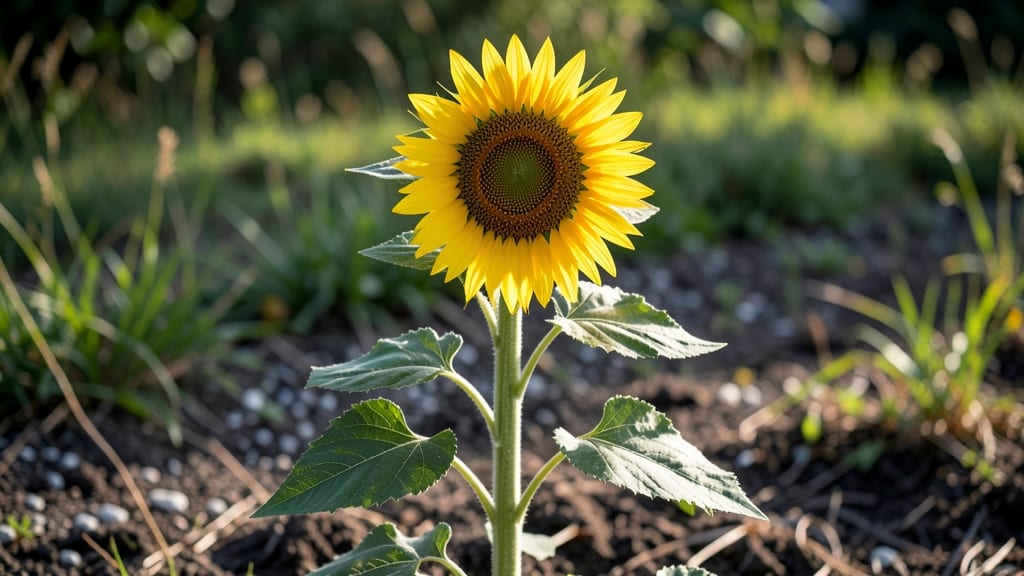
Sunflowers need at least 6 to 8 hours of direct sunlight daily to grow their iconic towering stalks and brilliant blooms 🌻 — and cutting corners here means stunted plants or no flowers at all.
Picture this: you’ve just planted your sunflower seeds in April, dreaming of a summer garden showstopper, only to watch them stretch toward the sky like they’re reaching for something they can’t quite grasp. That’s the classic sign of insufficient light, and it’s more common than you’d think.
Here’s the good news: sunflowers aren’t picky about when they get their sunlight, just how much. Whether you’re in a suburban backyard or a small urban patio, we’ll break down exactly how to meet their needs — from diagnosing shade problems to maximizing every ray in your zone.
You’ll also discover which sunflower varieties handle partial sun better, how to spot the warning signs of too much or too little light, and even a few clever tricks to give your plants a boost when nature doesn’t deliver enough sunshine.
 Best Window Placement
Sunflower sunlight requirements by growth stage: minimum hours for optimal development
Sunflowers are famous for their love of sunlight, but their needs change dramatically as they grow. From delicate seedlings to towering blooms, each stage demands a specific amount of light to reach its full potential.
Understanding these shifts helps you avoid stunted growth or leggy stems. Sunlight isn’t just a preference—it’s the fuel that determines your sunflower’s height, flower size, and even seed production.
Most gardeners assume sunflowers need full sun all day, but the truth is more nuanced. Young plants are more sensitive to intense light, while mature varieties can handle more.
Seasonal changes also play a role—shorter summer days in northern climates versus long, hot afternoons in the south. Getting the balance right means tracking sunlight hours by growth stage, not just planting location.
| Growth Stage | Minimum Sunlight Hours | Ideal Sunlight Hours | Key Notes |
|---|---|---|---|
| Germination | 4–6 hours | 6–8 hours | Use shade cloth (30–50%) if seedlings appear stressed. |
| Seedling (0–4 weeks) | 6–8 hours | 8–10 hours | Morning sun preferred; afternoon shade helps prevent scorching. |
| Vegetative (4–8 weeks) | 8–10 hours | 10–12 hours | Critical for stem strength; leggy growth indicates light deficiency. |
| Bud Formation (8–12 weeks) | 10+ hours | 12+ hours | Full sun required for large blooms; reduce watering slightly. |
| Flowering (12–16 weeks) | 8–10 hours | 10–12 hours | Mature plants tolerate slight shade; focus on consistent watering. |
| Seed Development | 6–8 hours | 8–10 hours | Reduced sunlight can shrink seed yield; prioritize morning light. |
During the germination stage, sunflowers only need 4–6 hours of light to sprout, but this is a delicate phase. Overly intense sunlight can dry out soil too quickly, so mulch lightly or use a shade cloth (30–50%) if your climate is hot.
I’ve seen seedlings crisp up in direct midday sun within hours—don’t let this happen to yours!
Once seedlings emerge, they enter the vegetative stage, where 8–10 hours of sunlight becomes non-negotiable. This is when their stems thicken and leaves expand rapidly. If you notice leggy, pale stems, your sunflowers aren’t getting enough light.
Rotate pots or move containers to sunnier spots immediately. South-facing windows or raised beds are ideal for container-grown sunflowers during this phase.
As buds form (8–12 weeks), the stakes get higher—literally. This stage demands 10+ hours of sunlight to produce those iconic giant blooms.
I’ve grown ‘Mammoth’ varieties that reached 14 feet tall with 12+ hours of light daily, but the same plants in 6 hours of sun maxed out at 6 feet with tiny flowers. Morning sunlight is gold here; afternoon shade helps prevent leaf burn in scorching climates.
Seasonal changes complicate things. In northern latitudes, summer days are long, but cloud cover can cut sunlight by 30–50%. Use a light meter (or your phone’s lux app) to track actual hours—don’t guess!
In southern climates, afternoon heat can scorch leaves, so drip irrigation and light afternoon shade become essential. Adjust your watering schedule too; thirsty plants wilt faster in intense light.
Mature sunflowers in full bloom can handle slightly less sunlight (8–10 hours), but this is when flower size and seed quality suffer if light drops below 6 hours.
I’ve noticed ‘Autumn Beauty’ varieties produce smaller seed heads when shaded by nearby trees. If you’re growing sunflowers near fences or buildings, prune nearby foliage to maximize light exposure during critical
Signs of over-sunlight and under-sunlight: how to diagnose and fix sunflower stress
Your sunflowers might look healthy at first glance, but subtle clues reveal whether they’re getting too much or too little sunlight. Under-sunlight causes weak stems and pale leaves, while over-sunlight leads to crispy edges and wilting—both are fixable with the right adjustments.
Start by checking your sunflower’s leaf color and stem strength. Healthy sunflowers have deep green leaves and sturdy stalks, but stressed plants tell a different story. I’ll show you how to spot these signs early and take corrective action before your plants suffer.
⚠️ callout warning
Sunflowers require 6–8 hours of direct sunlight daily for optimal growth. Below 4 hours causes stunted growth, while excessive sunlight (especially in hot climates) can scorch leaves. Monitor your plants’ leaf condition and growth rate to adjust exposure.
When sunflowers get too little sunlight, they stretch toward light in a condition called etiolation. Look for long, leggy stems and small, pale leaves—these plants won’t produce strong blooms.
The fix? Move them to a sunnier spot or use reflective surfaces like white walls to bounce extra light their way.
On the flip side, over-sunlight causes leaf burn, where edges turn crispy and brown. This often happens in hot afternoons when UV rays intensify. To help, provide afternoon shade with lightweight shade cloth or plant taller companions like corn or beans nearby to break wind and reduce direct exposure.
Adjust your watering schedule too—sun-stressed plants need deep, infrequent watering to prevent shock. Water at the base of the plant in the early morning to give roots time to absorb moisture before the heat peaks.
For container-grown sunflowers, rotate pots weekly to ensure even light exposure. If you notice yellowing leaves, it could signal either overwatering or nutrient deficiency caused by stress. A balanced fertilizer with 10-10-10 NPK can help revive struggling plants.
With these fixes, your sunflowers will bounce back—just give them the right balance of light, water, and care to reach their full, sun-soaked potential. 🌻